Chile wine country: the best wine regions, valleys and vineyard routes
Chile's wine regions from Elqui to Itata: what each valley grows, how far it is from Santiago, which wineries to visit, routes, a three-day plan, seasons and tours.
With one day in Chile’s wine country, go to the Maipo Valley for classic Cabernet Sauvignon or to Casablanca for whites, Pinot Noir and a long lunch; with two or three days, add Colchagua for premium reds. For the most tastings in a day, the Maipo Valley Wine Tour: 4 Wineries, Pisco Tasting and Optional Lunch collects you from your hotel and visits four estates in about 10 hours, from $119 per person and rated 4.9 from 2,725 reviews on Viator. To see the coast as well, the Valparaíso, Viña del Mar and Casablanca Valley Tour below pairs one Casablanca tasting with the two port cities, with hotel pickup, from $77 and rated 4.8 from 2,136 reviews on GetYourGuide.
Chile’s vineyards lie between the Pacific and the Andes. In Maipo, Cabernet Sauvignon grows below snow-capped mountains. A little farther west, cool ocean air runs through the Casablanca vineyards that make crisp Sauvignon Blanc and Chardonnay. Farther south come rolling hills, old country estates and the reds that made Chile’s name. Farther north, desert-edge vineyards make mineral wines; in the far south, old-vine País and Carignan link today’s winemakers to centuries of farming.
Much of that variety is within reach of Santiago. You can visit the historic Maipo estates in half a day, taste in Casablanca on the way to Valparaíso, or spend a long day in Colchagua among premium reds and vineyard restaurants. Chile’s tourism board suggests a similar three-day introduction built on Maipo, Casablanca and Colchagua. Tour prices are “from” figures per person as checked in October 2026, and the live price is always on the booking page.
Check Availability
Same ride, also on Viator
From $75 per person · ★ 4.9 from 8,341 Viator reviews
Each platform sets its own price and collects its own reviews, so compare both before you book on GetYourGuide.
Chile’s wine regions at a glance
| Wine region | Known for | Drive from Santiago (approx.) | Best for |
|---|---|---|---|
| Maipo Valley | Cabernet Sauvignon, red blends | 30 to 90 min | A first winery visit |
| Casablanca Valley | Sauvignon Blanc, Chardonnay, Pinot Noir | About 1 hr | Cool-climate wines, lunch |
| San Antonio and Leyda | Sauvignon Blanc, Pinot Noir | 1.5 to 2 hrs | Coastal wine enthusiasts |
| Aconcagua Valley | Cabernet Sauvignon, Syrah | 1.5 to 2 hrs | Serious red-wine lovers |
| Cachapoal Valley | Carmenère, Cabernet Sauvignon | 1.5 to 2.5 hrs | Quieter, less commercial visits |
| Colchagua Valley | Carmenère, Cabernet, Syrah, blends | 2.5 to 3 hrs | Premium wineries and overnight stays |
| Curicó Valley | Cabernet Sauvignon, Sauvignon Blanc | 2.5 to 3.5 hrs | Long-established wine traditions |
| Maule Valley | Carignan, País, Cabernet Sauvignon | 3 to 4.5 hrs | Old vines, smaller producers |
| Itata Valley | País, Cinsault, Moscatel | 5 to 6.5 hrs | Heritage and low-intervention wines |
| Elqui and Limarí | Syrah, Chardonnay, coastal whites | 5 to 7+ hrs | Northern wine exploring |
Drive times are rough planning figures to a typical part of each region, not live journey times. Each valley covers a large area, and some wineries are well beyond these times. Explore the northern valleys on a separate trip, not as a day out from Santiago.
The regions are not interchangeable: they differ in grapes, scenery and the kind of visit you can expect.
For more ways to see the valleys near Santiago, GetYourGuide sells winery tours in Maipo and Casablanca, Colchagua days to Santa Cruz and Apalta, and coast trips to Valparaíso and Viña del Mar, as well as tours of Santiago itself.
Where is Chile’s wine country?
Chile’s vineyards run along much of the country’s great north–south length, but most of the established wineries sit in central Chile. The official Wines of Chile classification lists growing valleys from Copiapó and Huasco in the north to new southern plantings around Cautín and Osorno.
For travellers, the country falls into four broad wine areas:
- Northern Chile: Elqui, Limarí, Huasco and other dry-country vineyards, often with smaller, distinctive visits.
- The coastal and central valleys: Aconcagua, Casablanca, San Antonio and Maipo, the easiest from Santiago or Valparaíso.
- Central-southern wine country: Cachapoal, Colchagua, Curicó and Maule, with major producers next to traditional rural vineyards.
- The south: Itata, Bío-Bío and beyond, with historic grape varieties, cooler conditions and a growing group of independent winemakers.
The main wine valleys on the map
From north to south, the valleys run Elqui and Limarí (near La Serena), Aconcagua (around San Felipe and Los Andes), Casablanca and San Antonio (between Santiago and the coast), Maipo (Santiago’s southern edge), Cachapoal (around Rancagua), Colchagua (around Santa Cruz), Curicó, Maule (around Talca), Itata and Bío-Bío. These towns are reference points inside each region, not its boundaries or winery entrances.
The best wine regions in Chile
Eleven regions, ordered from the easiest to reach from Santiago to the ones that need a trip of their own.
Other Experiences
Other experiences you might enjoy
More wine tours from Santiago, each with its own page and booking link.
1. Maipo Valley: Chile’s classic Cabernet Sauvignon country
Best for: Cabernet Sauvignon, historic estates, easy day trips · Time needed: half a day to a full day
If Chile has a classic wine landscape, it is the Maipo Valley. The vineyards spread across the basin south and south-east of Santiago, framed by the Andes, on river-laid soils with warm, dry summers.
Maipo is best known for Cabernet Sauvignon. The finest examples combine concentrated dark fruit, firm tannins and a herbal or graphite edge. Being next to the capital also makes it the easiest region for a first visit.
Three wineries to know
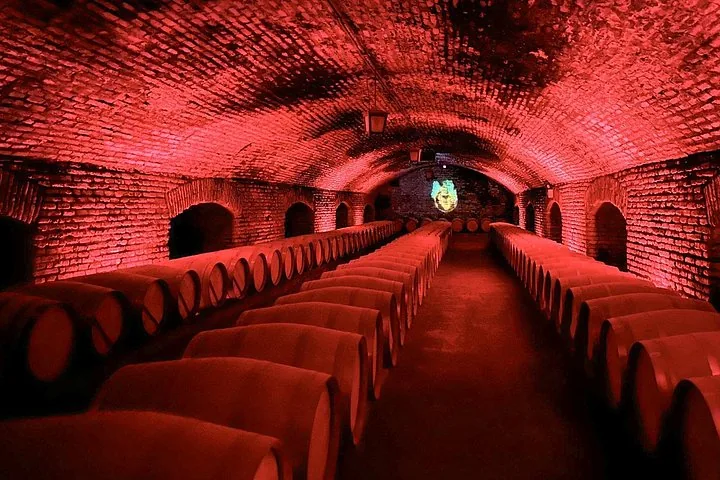
- Viña Concha y Toro: one of Chile’s best-known producers, with the Casillero del Diablo cellar, historic gardens and the Centro del Vino opened in 2025.
- Viña Santa Rita: a heritage estate with tastings, gardens and the Museo Andino, good if you like wine with culture.
- Viña Cousiño Macul: an old estate on Santiago’s eastern edge with a traditional atmosphere and guided tastings; the Cousiño Macul Traditional Wine Tour in English is from $27 and rated 4.9 from 400 reviews on Viator.
What makes Maipo different?
Maipo has several distinct parts. Alto Maipo, towards the Andean foothills, is known for concentrated, structured Cabernet Sauvignon. Lower parts of the valley are warmer or have different soils, which change ripening and the style of the fruit. On a visit, you can taste the same grape from different corners of one valley.
Choose Maipo for your first winery visit if you love red wine, enjoy history or have little time in Santiago.
Read more: Maipo Valley wine tours and our Concha y Toro winery visit guide.
2. Casablanca Valley: Chile’s cool-climate white wine valley
Best for: Sauvignon Blanc, Chardonnay, Pinot Noir, winery restaurants · Time needed: a full day
Casablanca feels very different from Maipo. It lies between Santiago and the Pacific, about 80 km west of the city, and the ocean cools it. Morning fog and sea breezes keep temperatures down, so the grapes keep their acidity as they ripen.
That suits Sauvignon Blanc and Chardonnay, the valley’s signature grapes. Pinot Noir also does well, so Casablanca appeals even if you normally drink red.
Three wineries to visit
- Casas del Bosque: a well-established visitor winery with tastings and a strong restaurant, good for a slow visit.
- Viñedos Veramonte: known for cool-climate wines, with vineyards along the Santiago–Valparaíso road.
- Emiliana: the one to choose if you are curious about organic and biodynamic farming.
Why Casablanca suits a day trip
Casablanca sits on Route 68, the main road between Santiago and Valparaíso, so you can pair a winery with the coast. Leave enough time for both. For most travellers, one winery, lunch and an afternoon in Valparaíso beats racing between several tasting rooms.
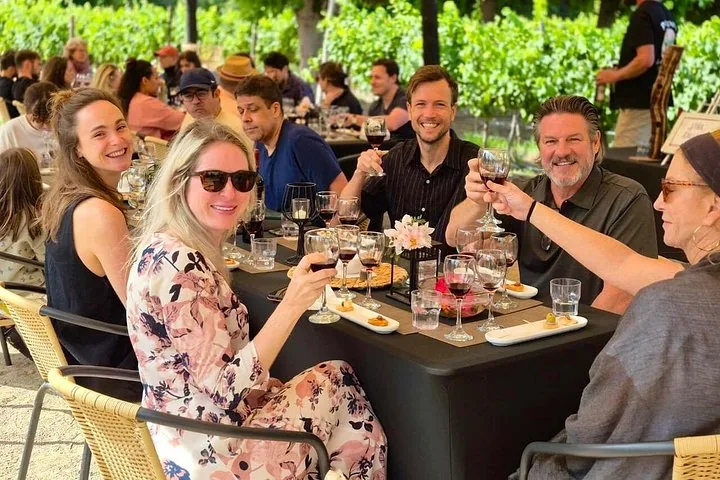
Choose Casablanca first if you prefer white wine, want a vineyard lunch or are travelling between Santiago and Valparaíso. With lunch included, the Casas del Bosque Winery Tour with Tasting and Tanino Lunch is from $130 with hotel pickup, rated 4.5 from 17 reviews on GetYourGuide, a short record so far. For more tastings, the shared Four Casablanca Wineries day visits Emiliana, Bodegas RE and Casa del Molle, with lunch at Tanino at your own cost: about 10 hours, from $139 and rated 4.8 from 646 reviews on Viator.
Read more: Casablanca Valley wine tours.
3. Colchagua Valley: premium reds and beautiful estates
Best for: Carmenère, Cabernet Sauvignon, Syrah, premium tastings, vineyard restaurants · Time needed: one to two days
Colchagua is where a wine trip starts to feel like an escape to the Chilean countryside. South of Santiago, wide valleys give way to vineyards, low hills, old farm estates and internationally known wineries.
Santa Cruz is the main town for visitors, and nearby Apalta is known for premium reds. Colchagua grows Cabernet Sauvignon, Carmenère, Syrah and blends, and the warmer inland sites taste quite different from those nearer the coast.
Three leading wineries
- Viña Montes: one of the region’s best-known premium producers, with powerful, carefully built reds.
- Viu Manent: a long-established visitor estate with tastings and vineyard activities, known for Malbec among its reds.
- Clos Apalta: the Lapostolle family’s premium estate, for enthusiasts who like serious red blends.
Is Colchagua worth the trip from Santiago?
Yes, but the distance matters. Santa Cruz is about 180 km south of Santiago, 2.5 to 3 hours each way, so a day trip means five to six hours in the car. Leave early and you can manage two wineries in a day.
For winery lunches, premium tastings and time in the countryside, stay a night in Santa Cruz or near Apalta. Choose Colchagua for a romantic wine weekend, a premium red-wine day or a second trip to Chile.
All the Colchagua tours on this site are long days with a car to yourself or a small group. The Private Colchagua Wine Tour: Los Maquis and Neyen takes about 11.5 hours with hotel pickup, from $370 per person for two and rated 5.0 from 20 reviews on Viator. The semi-private Viu Manent and Montes Winery day is from $280; it is rated 4.9, but from only 9 reviews on Viator.
Read more: Colchagua Valley wine tours.
4. Aconcagua Valley: powerful reds north of Santiago
Best for: Cabernet Sauvignon, Syrah, mountain scenery · Time needed: a full day
North of Santiago, the Aconcagua Valley shows another side of central Chile. Both the Andes and the coastal ranges shape it, so conditions vary across its vineyards. The warmer inland sites suit Cabernet Sauvignon, Syrah and other structured reds; cooler sites towards the coast give lighter styles.
Wineries to know
Viña Errázuriz is the valley’s best-known producer. Its estate at Panquehue makes premium wines including Don Maximiano. Seña, also linked to the valley, is a separate venture, so do not assume a Seña tasting comes with an Errázuriz visit. Viña San Esteban is another established producer, with local wines in a rural setting.
Why go?
Aconcagua is a good alternative to Maipo if you already know Chilean Cabernet and want to taste a different site. It also suits travellers heading north towards San Felipe or Los Andes. It makes a good second day in wine country for red-wine lovers who want to go beyond the usual Santiago trips. No tour on this site goes there, so plan it with a driver or your own car.
5. San Antonio and Leyda: coastal wines with freshness
Best for: Sauvignon Blanc, Pinot Noir, Chardonnay, coastal landscapes · Time needed: a full day
San Antonio is one of Chile’s most interesting cool-climate regions. It lies towards the Pacific and includes Leyda, Lo Abarca and Rosario. The sea has a strong influence: cool temperatures help the grapes keep their acidity, which gives lively Sauvignon Blanc, fine Pinot Noir and more and more distinctive Chardonnay. The region also makes striking cool-climate Syrah.
Producers to look for
Look for wines from Garcés Silva, Viña Leyda and other producers in the San Antonio and Leyda appellations. Not every producer has a regular visitor programme, so arrange tastings ahead instead of turning up.
San Antonio or Casablanca?
The Pacific cools both, but they are not the same. Casablanca has the more established wine tourism, with several winery restaurants and organised visits. San Antonio and Leyda suit people who want to taste how the sea shapes the wine itself.
Choose Casablanca for an easy winery day; look into San Antonio and Leyda for more specialised coastal tasting.
6. Cachapoal Valley: Carmenère without the crowds
Best for: Carmenère, Cabernet Sauvignon, quieter visits · Time needed: a full day
Cachapoal is the northern half of the wider Rapel region, with Colchagua to its south. Its vineyards range from Andean foothills to warmer inland sites. Its best-known grapes are Carmenère, Cabernet Sauvignon and Merlot.
Carmenère is the one to look for here. It can show ripe black fruit, spice and the herbal note typical of the grape.
Producers to know
- Viña Anakena makes several red and white ranges in Cachapoal.
- Viña Altaïr, in the foothills around Requínoa, is known for premium reds from mountain vineyards.
- Viña Torreón de Paredes is a long-established local producer; ask about tastings in advance.
Access varies by estate, and some producers focus on making wine, not on daily tours. The Private VIK and Montes Wineries Day Trip starts at Viña VIK in Cachapoal before Montes in Colchagua: about 11 hours, from $375 per person for two, rated 4.7 from 28 reviews on Viator.
Who should visit Cachapoal?
Cachapoal suits wine lovers who already know Maipo or Colchagua and want to see how Carmenère changes across central Chile. With one day and no experience of Chilean wine, Maipo or Casablanca is easier to arrange.
7. Curicó Valley: established wineries and versatile wines
Best for: Cabernet Sauvignon, Sauvignon Blanc, long wine traditions · Time needed: one day
Curicó has a long winemaking history and remains an important part of Chile’s central wine industry. Its varied soils and Mediterranean climate let producers grow many grapes. Cabernet Sauvignon and Sauvignon Blanc matter most, alongside Chardonnay, Merlot and others. Large producers dominate, but smaller specialist wineries are part of the picture too.
Wineries to know
Miguel Torres Chile, near Curicó, helped bring modern winemaking to the country and has also helped revive traditional Chilean wine styles. Viña San Pedro, in Molina, is one of Chile’s major producers; check visitor arrangements carefully, because a production site is not always open to tourists.
Why visit Curicó?
Curicó makes sense if you are heading south from Santiago or planning a wider central-Chile wine trip, and it is a natural stop on the way to Maule. Its harvest festival brings local producers together, so you can taste many wines without visiting each winery: in 2026 it ran from 20 to 22 March.
8. Maule Valley: old vines and Chile’s heritage wines
Best for: old-vine Carignan, País, traditional vineyards, small winemakers · Time needed: one to two days
Maule is one of Chile’s most rewarding regions if you want to look beyond the famous Cabernet estates. It is large and varied, with fertile valleys, dry-farmed vineyards and old bush vines. Cabernet Sauvignon, Merlot and Carmenère are widely planted, but Maule’s interest lies in Carignan and the traditional grapes. Many old vineyards are deep-rooted, unirrigated and look nothing like a manicured tourist estate.
What is special about Maule Carignan?
Carignan is a red grape with vivid fruit, high acidity and a firm structure. In Maule, old dry-farmed vines give wines of real character. VIGNO, the Vignadores de Carignan group, has drawn attention to old-vine Maule Carignan and the producers who keep it alive.
Curiosity pays off here. Instead of a polished tasting room for a global brand, you may meet small producers working vineyards that have been part of local farm life for generations.
Places to explore
Head for San Javier, Cauquenes and the surrounding wine villages. Producers include Garage Wine Co., Gillmore and other independents working with old vines. Appointments are usually essential, especially at smaller wineries.
Maule is one of the best regions in Chile for experienced wine travellers, but plan it yourself or with a specialist guide; it is not a casual half day from Santiago.
9. Itata Valley: Chile’s historic wine country
Best for: País, Cinsault, Moscatel de Alejandría, heritage winemaking · Time needed: one to two days
Itata is the strongest contrast with Chile’s modern, export-led regions. Wine has been made here since the early colonial period, and the valley is known for traditional grapes such as País and Moscatel de Alejandría. Cinsault matters too: it gives fresh, often light reds that appeal if you like Pinot Noir or Gamay. Old bush vines, granite soils and small production define the region.
What makes Itata different?
Many of the best wines are made to keep the character of the grape and the vineyard. Producers often favour freshness, texture and easy drinking over heavy oak or concentration. Not every Itata wine tastes the same or is made with minimal intervention; approaches vary across the valley.
Where to explore
The country around Guarilihue, Coelemu and Portezuelo is the place for old vines and rural wine culture. Itata also holds harvest celebrations with local food, music and winemaking traditions.
Visit Itata if you are interested in wine history, the grapes that survive from colonial-era viticulture, independent producers or little-known Chilean wines. It is not a practical day trip from Santiago.
10. Elqui and Limarí: wines on the edge of the desert
Best for: Syrah, Chardonnay, dramatic landscapes, northern Chile trips · Time needed: two to three days
Chile’s northern valleys are among its most striking. In Elqui, irrigated vineyards make green ribbons through dry mountains. The valley is also famous for pisco, Chile’s grape spirit, and for exceptionally clear skies, so you can combine vineyards with stargazing, small towns and mountain scenery.
Elqui Valley
Elqui is known for Syrah and other grapes suited to its tough conditions. Many of its vineyards are higher than those in the coastal regions. Vicuña and Pisco Elqui make good bases, with pisco distilleries to visit nearby. Wine tourism exists, but it is more scattered than in the central valleys.
Limarí Valley
Farther south, Limarí is known for Chardonnay and Syrah. Pacific breezes and coastal fog temper its dry climate in places, which gives fresh wines with a distinct character. Limestone in parts of the valley has caught winemakers’ attention.
Elqui or Limarí?
Choose Elqui if landscapes, pisco and stargazing matter as much as the wine. Choose Limarí if your main interest is a specialised wine region. From Santiago, both belong in a northern Chile trip, not a long day of driving.
11. Bío-Bío and Chile’s newer southern vineyards
Farther south, cooler and wetter weather changes the growing conditions. The Bío-Bío Valley is known for aromatic whites, Pinot Noir and other cool-climate grapes, and producers also work with traditional varieties such as País and Moscatel. Farther still, experimental vineyards around Cautín and Osorno are pushing Chilean wine south.
These regions interest people curious about climate, experimental winemaking and the future of Chilean wine. For most visitors, though, they are harder to explore than Maipo, Casablanca or Colchagua.
Which Chilean wine valley should you visit?
Pick the region by what you like to drink, how much time you have and how far you want to travel, not by which valley is most famous.
| Your priority | Best region |
|---|---|
| A first winery tour from Santiago | Maipo |
| Sauvignon Blanc and Chardonnay | Casablanca |
| Pinot Noir | Casablanca or San Antonio |
| Classic Cabernet Sauvignon | Maipo or Aconcagua |
| Carmenère | Colchagua or Cachapoal |
| Premium red blends | Colchagua |
| A winery lunch and the coast | Casablanca |
| Historic estates and museums | Maipo |
| Old-vine and heritage wines | Maule or Itata |
| Desert landscapes and wine | Elqui or Limarí |
| A romantic wine weekend | Colchagua |
| A relaxed half day | Maipo |
Our favourite wine regions for different travellers
- For a first visit, Maipo Valley: the easiest introduction from Santiago, especially if you love Cabernet Sauvignon and old estates. The Concha y Toro Premium Wine Center Tour is a 5-hour half day by shared bus, from $105 and rated 4.8 from 934 reviews on Viator.
- For an unhurried day, Casablanca Valley: cool-climate wines, winery restaurants and a location between Santiago and the coast.
- For a wine getaway, Colchagua Valley: lovely countryside, ambitious reds and enough restaurants and wineries to justify a night away.
- For wine enthusiasts, Maule and Itata: heritage grapes, old vineyards and a more independent way to explore.
For a side-by-side look at every tour from Santiago, see which wine tour from Santiago is right for you.
Why does Chile make such different wines?
One pleasure of travelling through Chile’s wine regions is how fast the landscape changes. Three geographic forces shape the country’s wines.
The Andes: altitude and cool mountain air
The Andes form Chile’s eastern wall. Vineyards near the foothills often have warm, sunny days and much cooler nights, which helps the grapes ripen fully while keeping their acidity. Soils washed down by mountain rivers affect drainage and how the roots grow. The famous Cabernet vineyards of Alto Maipo are the classic example of mountains shaping a wine.
The Pacific: fog, breezes and fresher wines
The cold Humboldt Current runs along Chile’s coast. Coastal vineyards get cool air, fog and lower temperatures that slow ripening, which matters for Sauvignon Blanc, Chardonnay and Pinot Noir. Casablanca, Leyda and parts of Limarí show how the ocean can give fresh, elegant wines in a famously sunny country.
The Central Valley: Mediterranean warmth and red wines
Between the Andes and the coastal ranges lie broad valleys with warm, dry summers and wetter winters, good conditions for Cabernet Sauvignon, Carmenère and Syrah. The Central Valley is not uniform, though. Altitude, latitude, soil and distance from the sea make Maipo, Cachapoal, Colchagua, Curicó and Maule quite different from one another.
What do Andes, Costa and Entre Cordilleras mean on a label?
Chile also uses terms on its labels that say where a vineyard sits between the mountain ranges.
| Term | Meaning | Typical character |
|---|---|---|
| Andes | Towards the Andes | More mountain influence, cooler nights |
| Costa | Towards the Pacific coast | Stronger sea influence |
| Entre Cordilleras | Between the Andes and the coastal range | A wide range of inland valley conditions |
These terms are clues to geography, not a guarantee of taste. The vineyard, the soil, the grape and the winemaker still matter.
The best wine routes from Santiago
A good wine route does not squeeze in the most tastings. Two well-chosen wineries, with time to notice how they differ, usually beat four in a hurry. These are the routes we would choose first.
Route 1: classic Maipo Valley, history and Cabernet Sauvignon
Best for: first-time visitors · Length: 6 to 8 hours
Head south from Santiago towards Pirque and Alto Jahuel.
- Concha y Toro, Pirque: the Casillero del Diablo story, the historic gardens and the premium tastings.
- Lunch: book a winery restaurant or a stop between the estates.
- Santa Rita, Alto Jahuel: another historic producer, with gardens and the Museo Andino.
This makes a good first day because the two estates complement each other: Concha y Toro has the famous brand and the cellar story, Santa Rita the cultural heritage. A tour with transport is the easy way to combine them. The Private Maipo Valley Tour: Concha y Toro, Santa Rita and Undurraga adds a third tasting, with hotel pickup and your own guide, from $636 per person for two and rated 5.0 from 31 reviews on Viator.
Route 2: Casablanca Valley, whites, food and the coast
Best for: couples, white-wine lovers and coastal sightseeing · Length: a full day
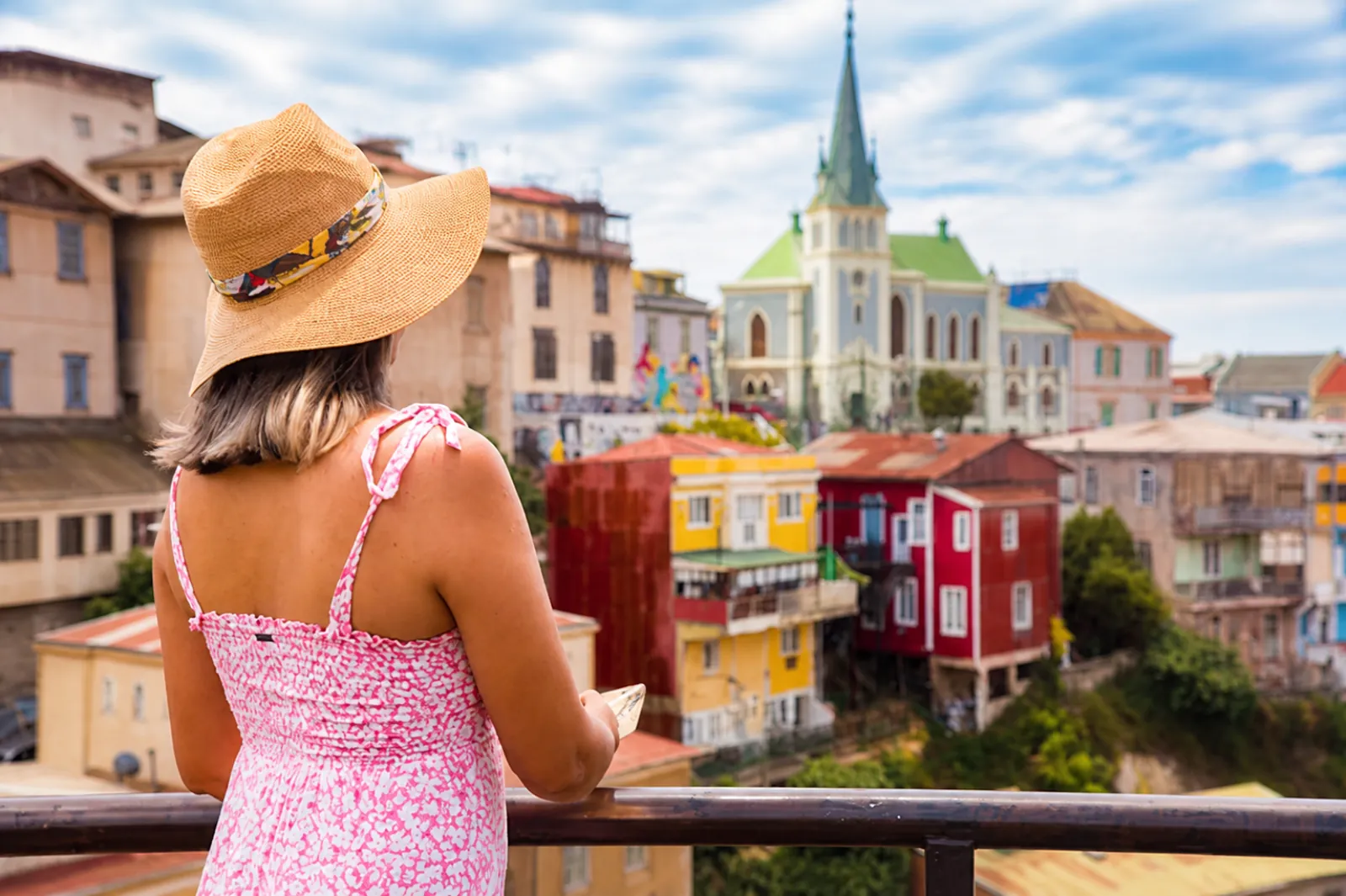
Head west from Santiago on Route 68. Start with a morning tasting at Veramonte, Emiliana or another Casablanca estate you can book. Move on to a winery restaurant such as Casas del Bosque for lunch and perhaps another tasting. If there is time, carry on to Valparaíso for an afternoon in its colourful hillside neighbourhoods.
The route combines wine, food and one of Chile’s most distinctive coastal cities. Hold back, though: one proper winery visit, lunch and Valparaíso already fill most of a day. To do it with a guide, the Valparaíso, Viña del Mar and Casablanca Valley Wine Tour includes a vineyard tasting and a funicular ride, about 10 hours with hotel pickup, from $61 and rated 4.8 from 1,289 reviews on GetYourGuide. The Valparaíso and Viña del Mar Coast Tour with Casablanca Wine Tasting follows a similar plan, from $75 and rated 4.9 from 8,341 reviews on Viator.
Route 3: Colchagua Valley, premium reds and countryside
Best for: premium wine lovers · Length: one to two days
Leave Santiago early and head south to Santa Cruz. Start with a booked tasting at Montes or another Apalta winery. Stop for lunch, then visit Viu Manent or another estate in the afternoon.
For an overnight trip, stay in or near Santa Cruz and carry on the next morning. A second day leaves time for a premium tasting, local sights or a slow vineyard lunch without the long drive back straight afterwards.
Route 4: the Maule heritage wine trail
Best for: experienced wine travellers · Length: two days or more
Travel south to Talca or San Javier, then explore the wider Maule wine country. Book appointments with producers working with old-vine Carignan, País and other heritage grapes. The appeal is meeting the people, the farming and the old vineyards behind the wines. Do not count on turning up at wineries at random. A specialist guide who knows the local producers helps a great deal.
Three days in Chile’s wine country
This plan introduces the best-known valleys without driving from one end of Chile to the other.
- Day 1, Maipo Valley, classic Chilean wine: visit Concha y Toro or Cousiño Macul, then a second estate if time allows. Focus on Cabernet Sauvignon, winery history and the lie of the valley.
- Day 2, Casablanca Valley, coastal wines: taste Sauvignon Blanc, Chardonnay or Pinot Noir, ideally followed by lunch at a winery restaurant. Add Valparaíso only if there is time.
- Day 3, Colchagua Valley, premium reds: leave early for Santa Cruz or Apalta, take a booked winery tour and a long lunch, and return to Santiago in the evening, or stay the night instead.
The plan favours three contrasting regions over as many wineries as possible, and it matches the three-day introduction Chile’s tourism board suggests.
One thing to plan around: treat the three days as separate trips from Santiago or as a carefully arranged road trip. Casablanca is west of Santiago and Colchagua far to the south; they do not form a neat loop.
How to book Chilean winery tours
There are three main ways to explore Chile’s wine country.
1. Guided tours from Santiago
This is the easiest option for most international visitors. Tours may include hotel pickup, transport, winery bookings, guided tastings and sometimes lunch. Everyone in your group can taste, and nobody has to stay sober to drive.
Shared tours work well for Maipo and Casablanca. For Colchagua, a private tour often makes sense because of the longer drive. Our guide to which wine tour from Santiago is right for you compares 23 of them by valley, wineries, lunch and price.
2. Visiting wineries on your own
This works well when you have a particular estate in mind and are happy to sort out transport. Book the tasting directly with the winery and leave plenty of time between stops. Do not assume a vineyard takes walk-ins: many require reservations, and some are not usually open to the public. That matters most outside the larger tourist valleys.
3. Hiring a private driver
A private driver is more flexible than a group tour and can be good value for families or small groups. It suits you if you want two or three particular wineries, a longer lunch or places with little public transport. A driver-only booking does not usually include winery entry, tasting fees or reservations, so confirm exactly what the service covers. For a private day that includes the tastings, see our private wine tours from Santiago.
What do Chile wine tours cost?
There is no standard price. The cost depends on the valley, the winery’s reputation, the tasting level, the transport and whether lunch is included. These are rough budgets, not prices for a particular tour.
| Experience | Rough budget per person |
|---|---|
| A basic tasting booked directly with a winery | CLP 15,000 to 35,000 |
| A longer heritage or premium tour at one winery | CLP 35,000 to 80,000+ |
| A specialist premium tasting | CLP 60,000 to 120,000+ |
| A shared tour with transport from Santiago | $61 to $149 on this site |
| A full-day private multi-winery tour | From about $280 to $636 on this site |
For example, the Cousiño Macul tour in English is from $27 with no transport, and Concha y Toro’s own Premium Guided Tour costs CLP 50,000. A private tour costs much less per head when four or more people share it.
Compare the whole package, not the headline price. A cheaper tour that leaves out winery tickets, food and hotel pickup can end up costing more than a well-planned all-inclusive one.
What a good tour includes
Look for the winery names, the number of tastings, the transport, the group size, the guide’s language, any meals and the cancellation terms. A listing that only says “Maipo Valley wine experience” without naming the wineries or the tasting level is harder to judge. We prefer listings that name the estates and say whether the tasting is introductory, premium or private.
Best time to visit Chile’s wine country
You can visit Chile’s wine regions all year, but the landscape and the mood change a lot with the seasons.
| Months | Season | What to expect |
|---|---|---|
| September to November | Spring | Green growth, pleasant temperatures, good scenery |
| December to February | Summer | Warm, dry weather, long days, busy with visitors |
| March to April | Harvest and early autumn | Picking, harvest festivals, vineyard colour |
| May to August | Late autumn and winter | Cooler weather, quieter wineries, bare vines |
March and April: harvest season
Harvest is a rewarding time to visit. The vendimia brings activity to every wine region, with picking experiences, local fairs, tastings and traditional celebrations that show Chilean wine beyond the tasting room.
Harvest dates vary by region, grape and year. In 2026, Chile’s tourism board listed festivals from early March to mid-April.
Chile’s main harvest festivals
Santa Cruz in Colchagua, Isla de Maipo, Curicó and Casablanca are among the places to look for harvest festivals, and the Itata Valley holds its own celebrations. In 2026, Colchagua’s festival in Santa Cruz ran from 6 to 8 March, Isla de Maipo’s on 28 and 29 March, and the Casablanca harvest on 11 and 12 April. Check the programme for your year, because the dates change.
Is Chile’s wine country worth visiting in winter?
Yes, though the visit is different. Winter (June to August) is often quieter, so tastings and winery restaurants feel more intimate than in summer. The vines are bare, the landscape is less colourful, and rain or cold can cut short time outdoors. If you care most about wine, history and cellars, winter still works well. For lush vineyard photos and outdoor lunches, spring and summer are better.
Where to stay in Chile’s wine country
Your base depends on how many valleys you plan to see and how far you are willing to drive each day.
Santiago: for short wine trips
Stay in Santiago if you have little time or want to mix the city with vineyard visits. Maipo and Casablanca are both easy day trips, and Colchagua is possible but makes a much longer day. You see wine country without changing hotels.
Casablanca: for a quiet vineyard stay
Casablanca suits visitors who like small towns, vineyards around them and winery restaurants. It also works as a base for Valparaíso and Viña del Mar. There are fewer places to stay than in Santiago, so book ahead.
Santa Cruz: for a dedicated wine holiday
Santa Cruz is the most useful base for Colchagua. From here you can reach the Apalta wineries and the surrounding countryside without the long drive from Santiago each day. The area has boutique hotels, wine-themed lodges and plenty of rural activities. For couples or enthusiasts planning premium tastings, a night here makes the trip much better.
Talca or San Javier: for Maule
If you are visiting small producers and old vineyards in Maule, a local base is far more practical than Santiago. Accommodation may be simple, but being close to the producers is the point.
Chilean grape varieties: what to taste where
An easy way to plan a wine trip is to start from a grape you already like, then go where Chile grows it well.
| Grape | Regions to try | Typical style |
|---|---|---|
| Cabernet Sauvignon | Maipo, Aconcagua, Colchagua | Blackcurrant, firm tannins, cedar, sometimes herbal |
| Carmenère | Colchagua, Cachapoal, Maipo | Dark fruit, spice, herbal notes, rounded tannins |
| Sauvignon Blanc | Casablanca, San Antonio, Leyda | Citrus, green fruit, fresh acidity |
| Chardonnay | Casablanca, Limarí, San Antonio | Citrus, stone fruit, mineral notes, sometimes oak |
| Pinot Noir | Casablanca, Leyda, Bío-Bío | Red berries, fresh acidity, lighter body |
| Syrah | Aconcagua, Colchagua, Elqui | Black fruit, pepper, spice |
| Carignan | Maule | Vivid fruit, high acidity, firm structure |
| País | Maule, Itata, Bío-Bío | Light to medium body, red fruit, rustic or savoury |
| Cinsault | Itata | Fresh red fruit, gentle spice, supple texture |
These are typical tendencies, not rules. The vineyard and the winemaker can make the same grape taste very different. Our Chilean wine guide goes deeper into the grapes and the labels.
What makes Chilean Carmenère special?
Carmenère is closely tied to Chile, although it came from Bordeaux. For a long time Chilean growers mistook it for Merlot; it was formally identified in Chile in 1994, and it has since become one of the country’s signature reds. It can combine ripe black fruit with green pepper, herbs and spice. To taste it, head for Colchagua and Cachapoal; Maipo also has good examples.
Is Chile better known for red or white wine?
Abroad, Chile is best known for reds, especially Cabernet Sauvignon and Carmenère. Its whites deserve as much attention: Casablanca, San Antonio and Limarí make excellent Sauvignon Blanc and Chardonnay, and the coast also gives more and more good Pinot Noir. A good first wine trip shows you both the warm inland side and the cool coastal side of Chilean wine.
Practical tips for visiting Chilean wineries
Book tastings ahead
Even well-known wineries often run tours only at set times, and small producers may need an appointment. Confirm the language, the meeting point, the length and whether food is available.
Do not plan too many wineries
Two wineries in a day is a comfortable target, especially when each visit includes a guided tour. Three can work if they are close together and the tastings are short.
Don’t drink and drive
If you plan to taste, take a guided tour, hire a driver or choose a driver who stays sober. Chile’s limit for drivers is close to zero.
Check whether children can come
Rules vary. Gardens and winery restaurants are often fine for families, while tasting rooms and evening experiences may set age limits; at Concha y Toro, under-18s cannot enter the tasting room.
Bring layers and comfortable shoes
Visits can include vineyard paths, gardens and cool cellars. In Casablanca and the other coastal valleys, a light jacket is especially useful.
Leave time for lunch
Eating in wine country can be a highlight of a Chile trip. Book a table where you can instead of assuming a popular winery restaurant will have space.
Learn a few Spanish words
| Spanish | Meaning |
|---|---|
| Viña | Winery or wine estate |
| Viñedo | Vineyard |
| Cata / degustación | Wine tasting |
| Bodega | Winery building or cellar |
| Cepa | Grape variety |
| Vendimia | Grape harvest |
| Maridaje | Food and wine pairing |
| Reserva | Reservation; also a wine-label term |
| Copa | Wine glass |
Frequently asked questions
What is the best wine region in Chile?
For a first visit from Santiago, Maipo is usually the best introduction, because it is close and full of historic Cabernet Sauvignon wineries. Casablanca is excellent for white wine and vineyard lunches, and Colchagua for premium reds and longer wine trips.
Where is Chile’s main wine country?
Most of Chile’s best-known wine regions are in central Chile: Maipo, Casablanca, Cachapoal, Colchagua, Curicó and Maule. Vineyards also run much farther north and south.
What wine is Chile most famous for?
Chile is best known for Cabernet Sauvignon and Carmenère. It also makes acclaimed Sauvignon Blanc, Chardonnay, Pinot Noir and Syrah, and wines from heritage grapes such as País and Carignan.
Which wine region is closest to Santiago?
The Maipo Valley. Some wineries, including Cousiño Macul, are on the city’s eastern edge; others are farther south around Pirque, Buin and Isla de Maipo.
Can you visit Chile’s wine country without a car?
Yes. Guided day tours leave Santiago for Maipo, Casablanca and Colchagua, and some wineries can be reached by public transport, taxi or ride-hail.
Can you visit Maipo and Casablanca on the same day?
It is possible, especially with a private driver, but rarely the best use of a day. The valleys lie in different directions from Santiago, and one done properly is usually more enjoyable.
Is Colchagua worth a day trip?
Yes, especially for premium red wine, but the drive is long: 2.5 to 3 hours each way. A night around Santa Cruz makes the visit more relaxed.
What is the best month for Chilean wine tours?
March and April, for the harvest and its festivals. October and November are also excellent, with spring scenery and usually pleasant weather.
Are Chilean wineries expensive to visit?
Prices range from cheap introductory tastings to elaborate premium experiences. Transport, meals and the number of wineries make the biggest difference to the total.
How many days do you need for Chile’s wine country?
One day is enough for Maipo or Casablanca. Three days covers Maipo, Casablanca and Colchagua. Five to seven days allows a slower trip with more wineries and regional towns.
Is Chile or Argentina better for wine tourism?
Both are excellent, but different. Argentina’s Mendoza is known for Malbec and high-altitude vineyards. Chile offers a wider contrast between Andean Cabernet valleys near the capital, ocean-cooled white-wine valleys and historic southern vineyards. Choose by the wines and landscapes you want.
Can you combine wine tasting with Valparaíso?
Yes. Casablanca lies on the road from Santiago to Valparaíso, so it is the easiest valley to pair with a day on the coast.
Are winery tours in English?
Many of the larger tourist wineries run tours in English. Small producers may offer fewer languages, so confirm before you book.
Where to start exploring Chile’s wine country
Chile’s wine regions suit curious travellers. Its most memorable wines are tied to where they grow: Cabernet Sauvignon from the Andean foothills, Sauvignon Blanc cooled by the Pacific, Carignan from old dry-farmed vineyards in the south.
For most visitors, Santiago is the place to start. Choose Maipo if you have one day and love red wine, Casablanca for whites, Pinot Noir and a slow vineyard lunch, and Colchagua for a longer escape into wine country. Beyond those three, Chile has enough for a much longer journey: coastal Leyda, the Carmenère of Cachapoal, old-vine Maule, historic Itata and the desert valleys of Elqui and Limarí.
You do not need to see them all on one trip, and you will probably enjoy it more if you don’t try. Pick a valley that matches your taste, visit a couple of wineries properly, make time for local food and leave yourself a reason to come back. To book, compare the tours on our guide to the best wine tours from Santiago.
Spend a Day in Chile's Wine Country
Free cancellation up to 24 hours before. Santiago: Valparaiso, Viña del Mar, & Casablanca Valley Tour from $77 per person.
Check Availability & Book