Chilean Cabernet Sauvignon: best wine regions, wineries and tastings
Chilean Cabernet Sauvignon explained: why the Maipo Valley is famous for it, Puente Alto and Pirque terroir, Don Melchor and other bottles, and Cabernet tastings near Santiago with prices.
Chile’s best-known Cabernet Sauvignon comes from the Maipo Valley, which starts on the southern edge of Santiago, and you can taste it at historic estates about an hour from the city. For a first Cabernet tasting, pick one that pours at least two Cabernets at different levels, such as the Marqués de Casa Concha Tasting at Concha y Toro from Santiago ($135, 4.9/5 from 1,270+ reviews), which adds six Marqués de Casa Concha wines to the standard four. Comparing an everyday or reserve wine with a premium bottling teaches you more than tasting several unrelated varieties.
A short drive from Santiago, the suburbs give way to vineyards, country estates and the wall of the Andes. Long, dry summers let Cabernet ripen, cool mountain air at night helps keep acidity, and well-drained alluvial soils hold vine growth in check. The wines can combine ripe blackcurrant with freshness, structure and a savoury edge.
Check Availability
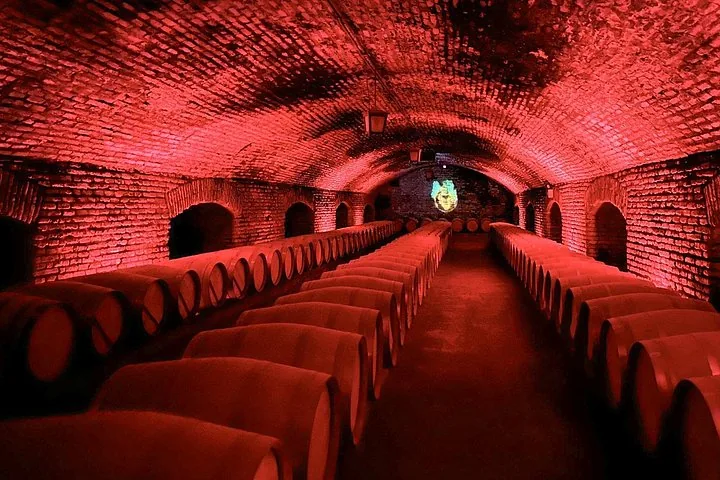
Marqués de Casa Concha Tasting at Concha y Toro from Santiago
- 4.9/5 (1,270+ reviews)
- 5 hours
- Free cancellation
- Operated by Turistik
Includes Shared round-trip bus between your chosen meeting point (Plaza de Armas, Av. Vitacura in Las Condes or Parque Arauco) …
You'll choose your date and complete the booking on Viator. Free cancellation up to 24 hours before departure.
Same ride, also on GetYourGuide
From $135 per person · ★ 4.6 from 90+ GetYourGuide reviews
Each platform sets its own price and collects its own reviews, so compare both before you book on Viator.
Quick answer: is Chilean Cabernet Sauvignon good?
Yes. Chile is one of the world’s important Cabernet Sauvignon producers, and the Maipo Valley is particularly renowned for the grape. Chile has made Cabernet since the nineteenth century, and its reputation now goes far beyond cheap supermarket reds: Maipo is home to internationally recognised wines such as Don Melchor, Viñedo Chadwick and Almaviva.
Typical Chilean Cabernet Sauvignon is dry, medium- to full-bodied and full of blackcurrant, blackberry and dark cherry. Better examples often show cedar, tobacco, herbs or a graphite-like note, with structured tannins and enough acidity to stay balanced. The Maipo Valley is the classic place to taste it, although Aconcagua, Cachapoal, Colchagua and Curicó also produce significant Cabernet Sauvignon. Wines of Chile names Cabernet Sauvignon as Maipo’s principal variety and describes its wines as complex and structured.
You do not need a luxury budget to enjoy the region. Historic producers such as Concha y Toro, Santa Rita and Cousiño Macul run good introductory tastings, and Pérez Cruz offers a tasting built entirely around Cabernet. For Chile’s other reds, from Carmenère to Pinot Noir, see our guide to the best Chilean red wines.
Other Experiences
Other experiences you might enjoy
More wine tours from Santiago, each with its own page and booking link.
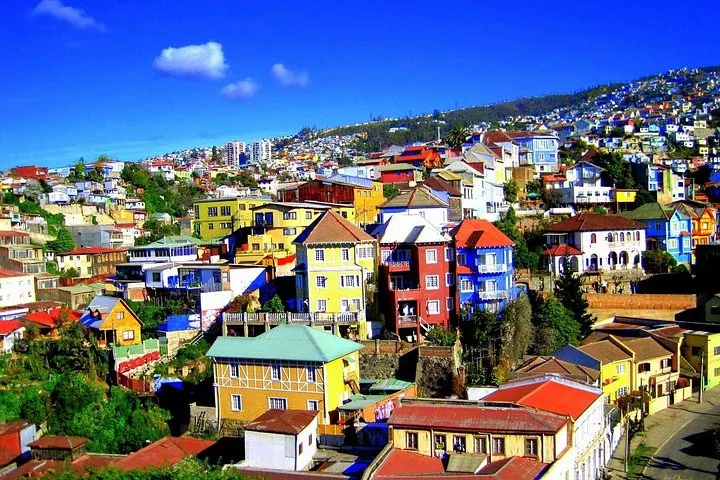
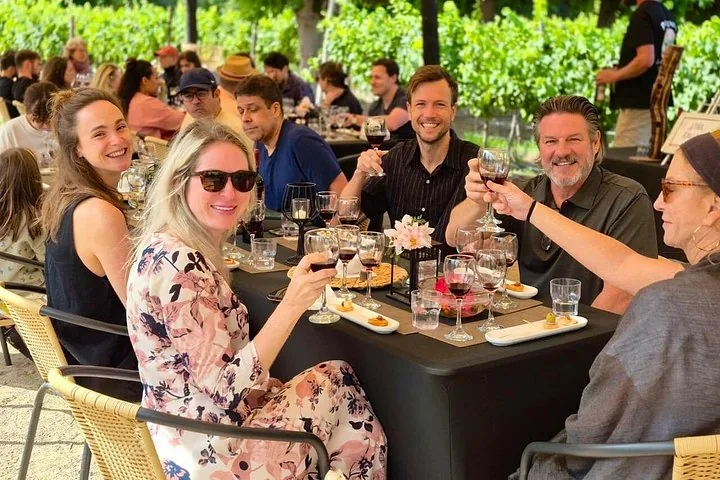
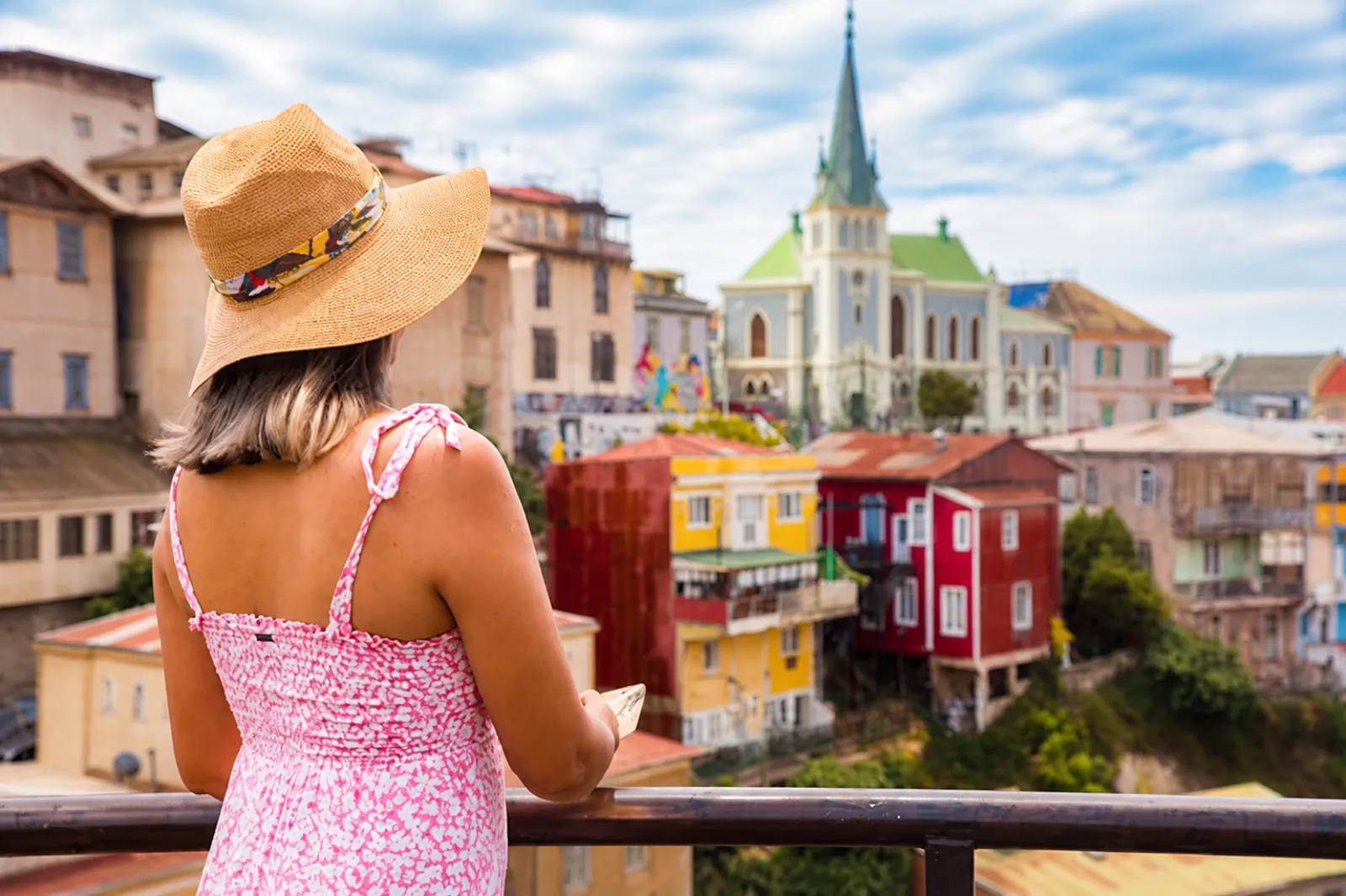
Chilean Cabernet Sauvignon at a glance
| Characteristic | What to expect |
|---|---|
| Grape | Cabernet Sauvignon |
| Wine colour | Deep ruby to garnet, depending on age |
| Sweetness | Usually dry |
| Body | Medium to full |
| Tannins | Medium-high to high |
| Acidity | Medium to medium-high |
| Alcohol | Often around 13 to 15% ABV; check the bottle |
| Typical flavours | Blackcurrant, blackberry, black cherry, cedar, tobacco |
| Best-known Chilean region | Maipo Valley |
| Premium examples | Don Melchor, Viñedo Chadwick, Casa Real |
| Typical serving temperature | Around 16 to 18°C |
| Classic pairing | Grilled steak or roast lamb |
| Best place to taste near Santiago | Maipo Valley |
1. What makes Chilean Cabernet Sauvignon special?
Cabernet Sauvignon originated in France, where it became one of Bordeaux’s defining red grapes. It is a natural cross between Cabernet Franc and Sauvignon Blanc.
European vines reached Chile in the nineteenth century, when wealthy landowners looked to France as they built the country’s wine industry, and the grape adapted well to central Chile. Sunshine is only part of the story, though. The interesting wines come from temperature, rainfall, soil, vineyard work and winemaking decisions acting together.
The Andes help shape Chilean Cabernet
The Andes form the eastern edge of many of Chile’s main wine regions. In foothill vineyards, warm days and cooler nights create a wide gap between day and night temperatures, known as the diurnal range. That gap helps grapes keep their acidity while the fruit flavours ripen.
Altitude and closeness to the mountains do not make a wine better on their own. The way a vineyard faces, its water, its soil and the season’s weather all matter.
Dry summers reduce rainfall pressure
Much of central Chile has a Mediterranean climate, with most rain falling in winter, outside the growing season. That generally lowers the risk of rain-related fungal disease in summer and gives growers more control over when they pick.
Water is still a major issue, particularly in droughts. Many vineyards depend on irrigation, and water supply is a big question for the future of Chilean wine.
Gravelly soils are important in premium Maipo vineyards
Several celebrated Maipo estates sit on alluvial soils built from material carried down from the Andes over a very long time. Gravelly, well-drained soils can limit excess vine vigour and push roots deeper.
Puente Alto is the place most associated with this mix of gravel, mountain influence and Cabernet Sauvignon. Almaviva describes its Puente Alto estate as sitting on poor, stony soils with cool nights and a long ripening season.
Chile has both affordable and prestigious Cabernet
This range is one of the grape’s biggest attractions. You can find simple bottles for everyday drinking, more complex reserve wines from named valleys, and luxury wines made for long ageing.
The difference is more than marketing. Vineyard selection, yields, blending, oak and bottling decisions can change the final wine a great deal. Even so, a prestigious label does not guarantee you will prefer it.
2. What does Chilean Cabernet Sauvignon taste like?
The usual first impression is dark fruit with structure. A young Chilean Cabernet may taste of juicy blackcurrant, cherry and blackberry. A more mature or oak-aged example may show cedar, cigar box, chocolate or savoury herbs.
Common flavour characteristics
| Flavour category | Aromas or sensations |
|---|---|
| Black fruit | Blackcurrant, blackberry, black cherry |
| Red fruit | Cherry, sometimes raspberry |
| Herbal | Mint, eucalyptus-like notes, dried herbs |
| Oak-derived | Cedar, vanilla, toast, cocoa |
| Savoury | Tobacco, graphite-like notes, leather with age |
| Texture | Firm, drying tannins and medium-to-full body |
Not every wine shows every characteristic; these are general tasting descriptors.
Is Chilean Cabernet Sauvignon sweet?
Mainstream Chilean Cabernet Sauvignon is almost always dry. Ripe blackberry or plum flavours can make a wine seem sweet even when very little sugar remains. “Fruit-forward” describes how intense the fruit aromas and flavours are, not how much sugar is in the wine.
Is Chilean Cabernet Sauvignon heavy?
It usually sits between medium and full body. Wines from warmer sites can be generous and concentrated, while some mountain-influenced examples feel more restrained.
Serving temperature makes a difference too: a Cabernet served too warm can taste alcoholic and heavy.
Why does Cabernet Sauvignon feel dry in your mouth?
The drying feeling comes mostly from tannins, natural compounds in grape skins, seeds and stems, and from the oak used in ageing. Tannins bind with proteins in saliva and leave a gripping sensation. That is why Cabernet tastes so good with rich, protein-heavy food such as steak.
3. Best Chilean Cabernet Sauvignon wine regions
Maipo is the obvious place to start, but other regions make compelling Cabernet too.
| Region | Typical character | Best reason to explore |
|---|---|---|
| Maipo Valley | Structured, dark-fruited, sometimes minty or graphite-like | Chile’s classic Cabernet identity |
| Aconcagua Valley | Powerful or elegant depending on site; often concentrated | Premium mountain-influenced reds |
| Cachapoal Valley | Ripe fruit, depth and varied tannins | Cabernet alongside Carmenère |
| Colchagua Valley | Often generous, rich and ripe | Premium reds and wine tourism |
| Curicó Valley | From easy-drinking to structured | Diversity and value |
The table shows the range within each region, not a quality ranking.
Maipo Valley, Chile’s Cabernet Sauvignon heartland
The Maipo Valley spreads south and southeast of Santiago, from the Andean foothills towards the coastal side of the valley, and Chile’s tourism board calls it the cradle of Chilean Cabernet Sauvignon. Its reputation rests on this grape above all.
A 2026 Vinous assessment of Maipo set the famous gravelly vineyards of Puente Alto apart from Pirque and other foothill sites, and stressed how differently these places express the same grape. Our Maipo Valley wine tours page compares the tours that go there.
Aconcagua Valley, another home for premium Cabernet
Aconcagua lies north of Santiago and has its own mountain-influenced vineyards. It is associated with powerful premium reds, particularly from producers such as Errázuriz. It suits travellers who have already visited Maipo and want a broader view of Chilean Cabernet.
Colchagua Valley, riper Cabernet and premium blends
Colchagua is best known for Carmenère, Syrah and premium red blends, but Cabernet Sauvignon matters here too. Warm inland sites can give generously fruity Cabernet, sometimes blended with other Bordeaux varieties. From Santiago, Colchagua means a much longer journey than Maipo: about 2.5 to 3 hours each way to Santa Cruz. Our Colchagua Valley wine guide covers its wineries.
Cachapoal Valley, Cabernet with regional diversity
Between Maipo and Colchagua, Cachapoal has a variety of growing conditions. It is most famous for Carmenère from places such as Peumo, but Cabernet Sauvignon also does well on suitable sites.
Curicó Valley, worth exploring for value
Curicó is a large wine-producing region south of Santiago, with Cabernet Sauvignon at many price points, from approachable everyday bottles to ambitious estate wines. For a single winery day from Santiago, though, it is much less convenient than Maipo.
4. Alto Maipo, Puente Alto and Pirque: understanding Cabernet terroir
The Maipo Valley is not one uniform landscape, and knowing its parts makes a tasting far more interesting.
| Area | What it is known for | Names to know |
|---|---|---|
| Puente Alto, the prestige Cabernet area | Gravelly alluvial soils, mountain influence and a long record of exceptional Cabernet | Don Melchor, Viñedo Chadwick, Almaviva |
| Pirque, historic vineyards and expressive reds | Established wineries, mountain scenery and a range of soils; concentrated, structured wines that differ between valley floor and hillside | Concha y Toro, Haras de Pirque |
| Huelquén and the southern foothills, a Cabernet tasting destination | Producers exploring Cabernet from the Maipo Andes, near Paine | Pérez Cruz |
Is Alto Maipo the same as Puente Alto?
Not exactly. Alto Maipo is a broader description for the eastern, mountain-influenced part of the Maipo region. Puente Alto is a specific locality within it, and Pirque and other foothill areas each have their own character.
So on a bottle, read the producer, the vineyard, the vintage and the winemaking style as well as the word Maipo.
Does higher altitude mean better Cabernet?
Not automatically. Higher, cooler sites can keep freshness, but Cabernet Sauvignon needs enough heat to ripen. Too little warmth can leave green flavours and unripe tannins; too much can give jammy fruit and a flat finish. Great Cabernet needs balance, and elevation is only one part of it.
5. Best Chilean Cabernet Sauvignon wines worth knowing
Chile’s Cabernet range is enormous, and no single bottle is objectively the best. It helps more to know which wines represent which styles and price levels. The wines below are notable names, not a blind-tasted ranking.
Premium and iconic Cabernet Sauvignon
1. Don Melchor Cabernet Sauvignon (Puente Alto, Maipo Valley; premium Cabernet). One of Chile’s internationally recognised Cabernets, tied to the Puente Alto vineyard and made with the structure expected of a collectible red. Try it to understand how far Maipo Cabernet can go.
2. Viñedo Chadwick (Puente Alto, Maipo Valley; prestige bottling). A celebrated Cabernet Sauvignon made with a focus on vineyard origin, careful selection and long ageing. Try it for the top end of Chile’s Cabernet, especially if fine wine interests you.
3. Santa Rita Casa Real Cabernet Sauvignon (Maipo Valley; historic premium wine). Casa Real reflects Santa Rita’s long relationship with Cabernet Sauvignon and is the reference for the estate’s premium reds. Try it to taste the prestige side of a historic Chilean producer.
4. Almaviva (Puente Alto; Cabernet-led blend). Almaviva is a joint venture between Concha y Toro and Baron Philippe de Rothschild. It is a Bordeaux-style blend traditionally led by Cabernet, not a pure Cabernet Sauvignon. Try it to compare a varietal Cabernet with one of Chile’s leading Cabernet-dominant blends.
More approachable Cabernet Sauvignon wines
These labels are useful to know in wine shops and at winery tastings.
| Wine | Why look for it | Suggested interest |
|---|---|---|
| Marqués de Casa Concha Cabernet Sauvignon | An established premium-range Chilean Cabernet | A clear step up from entry-level wine |
| Cousiño Macul Antiguas Reservas Cabernet Sauvignon | Historic estate and recognisable house style | Traditional Maipo Cabernet |
| Pérez Cruz Gran Reserva Cabernet Sauvignon | Maipo Andes Cabernet with regional identity | Understanding mountain-influenced wines |
| Santa Rita Medalla Real Cabernet Sauvignon | A widely recognised producer range | An accessible step into better Cabernet |
| Haras de Pirque Cabernet Sauvignon selections | Pirque estate with a premium red focus | Vineyard origin and estate style |
Price, vintage and stock vary a lot, and quality can differ between vintages, so do not treat one producer’s whole range as interchangeable.
Which wine should you buy first?
Start with a well-made Maipo Cabernet from a recognised producer, then compare it with a more expensive bottling from the same estate. A standard Cabernet next to a Gran Reserva or premium Cabernet usually reveals more than unrelated wines at similar prices.
6. Best Cabernet Sauvignon wineries near Santiago
These picks favour real visitor experiences, good wine teaching and easy access from Santiago. For a wider list of estates, see the best wineries near Santiago.
Concha y Toro, best for first-time visitors (Pirque)
A historic, well-run winery attraction with vineyard history, the Casillero del Diablo story and several tasting formats. The winery lists its Premium Guided Tour at CLP 50,000 and the longer version with a Marqués de Casa Concha tasting at CLP 80,000. These are winery-direct prices and can change. If it is your first tasting, read our guide to wine tasting in Santiago before you go.
Choose it for an introduction to Chilean wine with professional visitor facilities. Our pick with transport from Santiago: the Concha y Toro Premium Wine Center Tour from Santiago ($105, 4.8/5 from 960+ reviews), with four premium wines; the $135 Marqués de Casa Concha tasting adds the six Marqués wines. Our Concha y Toro winery tour guide explains every ticket.
Viña Santa Rita, best for history, wine and lunch (Alto Jahuel)
One of the strongest all-round day trips. Besides tastings, the estate has heritage buildings, gardens, the Museo Andino and Restaurant Doña Paula. Its published tours cost CLP 31,000 for Classic, CLP 39,000 for Selection and CLP 55,000 for Premium, and last roughly 1 to 1.5 hours. Our Santa Rita winery tour guide covers each one.
Choose it to pair Cabernet with a fuller cultural and food outing. Our pick: the Santa Rita Winery Day Tour with Lunch and Andean Museum ($207, 4.8/5 from 420+ reviews), with transport, three wines (two Reserva and one Gran Reserva) and a three-course lunch on the estate.
Cousiño Macul, best for a shorter Santiago winery visit (Peñalolén)
A historic producer on Santiago’s eastern side, a taxi or app ride from most hotels, with old cellars and several tasting formats; our Cousiño Macul guide compares them. Its published tours include a Traditional Tour at CLP 25,000, a Premium at CLP 40,000 and a vertical tasting at CLP 55,000. The vertical tasting is the one for enthusiasts comparing vintages.
Choose it for traditional Cabernet, historic cellars and easy access from the city. Our pick: the Cousiño Macul Traditional Wine Tour in English ($27, 4.9/5 from 410+ reviews), with three wines; the Cousiño Macul Premium Wine Tour in English ($45, 4.9/5 from 210+ reviews) adds a seated tasting of three more.
Pérez Cruz, best for dedicated Cabernet Sauvignon tasting (Huelquén)
One of the most interesting visits if Cabernet is your focus, with striking modern winery architecture and a Maipo Andes setting. The Tour Pircas includes a winery visit and three Cabernet Sauvignons (Gran Reserva, Piedra Seca and Pircas) for CLP 50,000 per person. It takes about 2 hours, needs advance booking and a minimum of four people, and runs Monday to Friday from 9:30 am to 3 pm and on weekends from 9 am to 12:30 pm.
Choose it for a focused comparison of one producer’s Cabernets. No tour we track visits Pérez Cruz, so book the winery directly and plan a private driver; the drive takes about 60 to 90 minutes.
Which winery should you choose?
| Your priority | Recommended winery |
|---|---|
| First visit to Chilean wine country | Concha y Toro |
| History, gardens and lunch | Santa Rita |
| Shorter visit from Santiago | Cousiño Macul |
| Comparing several Cabernet wines | Pérez Cruz |
| Learning how wines age | Cousiño Macul vertical tasting |
| Well-rounded full-day outing | Santa Rita or a multi-winery tour |
What about Don Melchor, Almaviva and Viñedo Chadwick?
These names are essential to Chilean Cabernet Sauvignon, but they do not run regular walk-in visits like the wine-tourism wineries above. A famous label does not mean public access to its vineyard or cellar.
If you want to taste a specific icon wine, confirm the bottle, vintage, tasting fee and access with the producer before you arrange transport. A premium experience at a related estate does not necessarily include the flagship label.
7. Where are the Cabernet wineries? Map and travel planning
The four wineries above sit in different parts of the Santiago and Maipo wine country. Do not expect to fit all four comfortably into one day.
Approximate travel times from central Santiago
| Winery | Allow approximately |
|---|---|
| Cousiño Macul | Inside the city, in Peñalolén: a taxi or app ride |
| Concha y Toro | 45 to 55 minutes; up to 75 at rush hour |
| Santa Rita | About an hour |
| Pérez Cruz | About 60 to 90 minutes |
These are planning estimates, not live driving times. Your hotel, the time of day, traffic and the route all change them.
Can you visit two wineries in one day?
Yes. Two wineries make a sensible full day if the route and reservations fit together, for example a morning tasting and a second estate in the afternoon with time for lunch. If learning about Cabernet matters more to you than collecting famous names, choose fewer stops and longer tastings.
Can you visit without a car?
Yes, but a tour with transport is the simplest and safest way to visit several estates. Cousiño Macul is easy to reach inside the metropolitan area. The rural estates may need a taxi, a pre-booked driver or a guided trip. Do not count on finding a ride-hailing car for the return from a remote vineyard; arrange it in advance.
8. Best Cabernet Sauvignon tasting experiences from Santiago
A winery tour and a dedicated Cabernet tasting are not always the same thing. Many standard tours pour several grape varieties. If Cabernet Sauvignon is your priority, look for a tasting that includes different Cabernet labels, sites or vintages.
Best Cabernet-focused experience: Pérez Cruz Tour Pircas
About 2 hours · CLP 50,000 per person
Three Cabernet Sauvignons in one guided visit, which makes the differences within one producer’s range easy to taste. Advance booking is required, and the minimum group is four. If you are two, the winery’s Tour Limited takes about 90 minutes, pours three wines in the underground cellar with a small board of bites, costs CLP 42,000 per person, needs a minimum of two and must be booked 24 hours ahead; the page does not name the wines, so ask whether they are all Cabernet.
Best for experienced tasters: Cousiño Macul Vertical Tasting
About 1.5 hours · CLP 55,000 per person
A guided winery visit followed by a vertical tasting of three vintages of Antiguas Reservas. A vertical tasting compares different vintages of the same wine. It runs on Thursdays and Fridays; confirm the exact wine and vintages when you book.
Best established winery experience: Concha y Toro Premium + Marqués de Casa Concha
About 165 minutes · CLP 80,000 at the winery
The historic visitor route plus an extra premium tasting, for travellers who want a polished introduction to an internationally familiar Chilean producer. With transport from Santiago, it is sold as the $135 Marqués de Casa Concha tasting tour; a second operator sells the Concha y Toro Marqués de Casa Concha Tasting Tour from Santiago ($135, 4.6/5 from 97 reviews).
Tours with transport from Santiago
For travellers without a car, a tour with transport is often easier than booking the winery directly. Check that the listing includes the Cabernet-focused tasting you want: a three-winery day is not automatically more educational than a specialist visit to one.
| Tour | Price from | Rating | Why choose it |
|---|---|---|---|
| Marqués de Casa Concha tasting at Concha y Toro | $135 | 4.9/5 from 1,270+ reviews | Ten wines including six Marqués de Casa Concha, with a shared bus |
| Concha y Toro Premium Wine Center tour | $105 | 4.8/5 from 960+ reviews | Four premium wines and the cellar, about 5 hours door to door |
| Bahá’í Temple and Cousiño Macul Winery Tour from Santiago | $96 | 4.8/5 from 250+ reviews | About two hours at Cousiño Macul plus the temple viewpoint |
| Cousiño Macul Private Winery Tour with Premium Tasting | $90 | 4.9/5 from 79 reviews | Private transfer and a premium tasting in the old cellars |
| Maipo Valley Wine Tour: 4 Wineries, Pisco Tasting and Optional Lunch | $119 | 4.9/5 from 2,920+ reviews | Four wineries in one day, from family farms to large estates |
Each tour name in the table opens its booking page. The official winery experiences above, including both Pérez Cruz tours and the Cousiño Macul vertical tasting, are not among the tours we track, so book those with the winery.
9. How much does a Cabernet Sauvignon tour cost?
The winery-direct prices give a good starting point.
| Experience | Published price per person |
|---|---|
| Cousiño Macul Traditional | CLP 25,000 |
| Santa Rita Classic | CLP 31,000 |
| Pérez Cruz Tour Limited | CLP 42,000 |
| Concha y Toro Premium Guided | CLP 50,000 |
| Pérez Cruz Tour Pircas | CLP 50,000 |
| Santa Rita Premium | CLP 55,000 |
| Cousiño Macul Vertical Tasting | CLP 55,000 |
| Concha y Toro Premium + Marqués de Casa Concha | CLP 80,000 |
These are winery-direct prices checked in October 2026, not live booking quotes. Transport, meals, group minimums and the wines poured vary. Tours with transport from Santiago cost more: from $27 for Cousiño Macul, which you reach on your own, to $135 for the Marqués tasting with a shared bus and $207 for Santa Rita with lunch.
Is a premium tasting worth the extra money?
It can be, when the upgrade gives you one of three things: better wines, a better-guided comparison or access to special parts of the winery. It is less attractive if it mostly adds extras you do not care about. For a Cabernet lover, the number and identity of the Cabernets poured matter more than the total number of glasses.
10. Chilean Cabernet Sauvignon vs French and Californian Cabernet
Chile is often compared with Bordeaux and Napa Valley because the same grape shows different characteristics in different conditions.
| Characteristic | Chilean Cabernet | Bordeaux Cabernet-based wines | Napa Cabernet |
|---|---|---|---|
| General profile | Ripe fruit, structure, sometimes herbal freshness | Often savoury and structured, frequently blended | Often ripe, generous and concentrated |
| Common flavours | Blackcurrant, cherry, cedar, mint | Cassis, cedar, tobacco, graphite | Blackberry, blackcurrant, oak spice |
| Blending | Both varietal and blends | Blends are especially common | Both varietal and blends |
| Typical market strength | Wide price range, including strong value | Historic reputation and appellation diversity | Premium New World Cabernet reputation |
These are broad tendencies. Some Maipo wines are richer than Napa examples, and some Californian wines are more restrained than many Bordeaux.
Is Chilean Cabernet Sauvignon similar to Bordeaux?
Yes, especially when you compare structured Maipo Cabernet with Cabernet-led Bordeaux blends. Chile’s nineteenth-century French influence and Bordeaux grapes are strong links. Chile’s climate, soils and winemaking still give its own style.
Is Chilean Cabernet better value than Napa Cabernet?
At many everyday price points, Chile is a good place to look. A well-made Chilean Cabernet can offer intensity and structure without the prices of Napa’s most prestigious names. Not every Chilean bottle beats a Napa wine at the same price, though: producer, vintage and your own taste matter more than the country.
11. How to taste Cabernet Sauvignon like a wine expert
You need no training to enjoy Cabernet, and a simple routine makes a tasting more interesting.
- Look. Is the wine deep purple-ruby, or starting to show garnet at the rim? Colour hints at age, though it is not a reliable test of quality.
- Smell. Swirl gently, then smell. Do you notice blackcurrant, cherry, herbs or cedar? Start with broad groups before naming specific aromas.
- Taste. Take a small sip and notice the fruit, acidity, warmth and tannins. Does the wine feel fresh, heavy, smooth or grippy?
- Compare. Taste two Cabernets side by side. Differences in age, fruit, oak and texture are much easier to notice that way.
What questions should you ask your winery guide?
Ask where the grapes were grown, how much oak was used, whether other varieties are in the wine and how long the winemaker expects it to age. For a Cabernet lover, the best questions are about the vineyard’s elevation and soil, and how the estate’s standard and flagship wines differ.
What is a vertical tasting?
A vertical tasting compares several vintages of the same wine. Three releases of Antiguas Reservas Cabernet Sauvignon, for example, show how different seasons and bottle age change aroma, tannin and texture. A horizontal tasting compares different wines from the same vintage.
12. Best foods to pair with Chilean Cabernet Sauvignon
Cabernet Sauvignon is a natural partner for rich, savoury food. Its firm tannins and dark fruit suit grilled meat, roasted vegetables and aged cheese.
| Food | Why it works |
|---|---|
| Grilled steak | Richness balances Cabernet’s tannins |
| Roast lamb | Savoury meat suits the herbal and dark-fruit notes |
| Chilean asado | Smoke and grilled flavours suit structured Cabernet |
| Empanadas de pino | Beef and onion pair with fruit-forward Cabernet |
| Aged hard cheese | Salt and savoury richness soften the tannins |
| Mushroom dishes | Earthy flavours suit mature Cabernet |
| Grilled aubergine | Smoke and umami work with moderately tannic reds |
Which Chilean dishes should you try?
Asado, the Chilean barbecue, is the obvious companion. Empanadas de pino are an easy pairing, and the beef dishes at traditional restaurants around Santiago work well too.
At Santa Rita, Restaurant Doña Paula lets you combine a winery visit with a proper lunch; book the restaurant separately where required. For more winery meals, see our page on wine tours from Santiago with lunch.
13. When is the best time to visit Cabernet vineyards?
Cabernet Sauvignon ripens late, so it is often picked after many white varieties. In the Maipo and central Chile, the harvest season runs from about February to April and sometimes into May, and Cabernet usually comes in towards the end of it, depending on the site and the year.
| Months | Vineyard experience |
|---|---|
| December to February | Warm summer days and vines in full growth |
| February to April, sometimes May | Harvest activity and grape picking |
| May to August | Quieter cellars, autumn colours, cooler weather |
| September to November | Spring growth and generally pleasant touring weather |
For a Cabernet-focused visit, March and April are the most appealing months, because you may catch wineries in harvest mode. The exact dates change with the vintage, so check whether a winery runs harvest-specific experiences before you book.
Are wineries open in winter?
Many established wineries stay open in winter, from June to August, though rain can limit outdoor activities. Winter suits visitors who prefer quieter tours and indoor tastings.
14. A one-day Cabernet Sauvignon itinerary from Santiago
For a satisfying day, choose one substantial tasting and add either a second winery or a long lunch. Allow about 7 to 9 hours.
- Morning: leave Santiago. Head for a pre-booked Maipo winery. Leave extra time for traffic and confirm the exact check-in point.
- Late morning: first tasting. Choose a guided tour with cellar or vineyard access that includes at least one Cabernet Sauvignon.
- Lunch: take your time. Eat at the estate restaurant if there is one, or at a nearby restaurant, without rushing between vineyards.
- Afternoon: second wine experience. Compare a different producer or settle into a longer premium tasting.
- Late afternoon: return to Santiago. Allow for weekday traffic and delays at the winery.
This is a planning outline, not a booked route. For an easy day, choose one winery with good food, such as Santa Rita, and skip distant combinations.
Frequently asked questions
What is Chilean Cabernet Sauvignon known for?
Dark-fruit flavours, structured tannins, a generally dry style and good quality at many price levels. The Maipo Valley is particularly associated with complex Cabernet Sauvignon shaped by the Andes.
Which region produces the best Chilean Cabernet Sauvignon?
The Maipo Valley is the classic benchmark, especially Puente Alto and other eastern Maipo sites. Excellent Cabernet also comes from Aconcagua, Colchagua and Cachapoal.
What is the most famous Chilean Cabernet Sauvignon?
Don Melchor and Viñedo Chadwick are among Chile’s most internationally recognised prestige Cabernets. Almaviva, also from Puente Alto, is celebrated too, but it is a Cabernet-led blend, not a single-variety Cabernet.
Is Chilean Cabernet Sauvignon dry?
Yes. Most Chilean Cabernet Sauvignon is made dry. Fruit-forward flavours do not mean the wine contains much residual sugar.
Is Chilean Cabernet Sauvignon sweet or bitter?
It is normally dry and can have firm tannins, which feel drying or slightly bitter. Well-balanced wines pair that structure with fruit and acidity.
Is Maipo Valley close to Santiago?
Yes. Most Maipo wineries are about an hour from central Santiago, depending on where they are and on traffic. Cousiño Macul is inside the city, in Peñalolén, and is the easiest choice for a short visit.
Which winery has the best Cabernet Sauvignon tasting?
For a tasting built around Cabernet, Pérez Cruz’s Tour Pircas compares three Cabernet Sauvignons for CLP 50,000 per person, with a four-person minimum. Cousiño Macul’s vertical tasting of three Antiguas Reservas vintages, CLP 55,000, suits enthusiasts; confirm the vintages when you book.
Can you visit Don Melchor winery?
Confirm access and visits directly with the producer. Do not assume that a regular Concha y Toro ticket includes a Don Melchor tasting or access to its Puente Alto vineyard.
How much is a Cabernet Sauvignon wine tasting near Santiago?
The winery tours in this guide start at CLP 25,000 per person at Cousiño Macul, and the premium options cost CLP 50,000 to 80,000. Transport from Santiago is usually extra; tours with transport start around $105 for Concha y Toro. Our wine tours from Santiago prices guide sets out the transport options, and Maipo vs Casablanca vs Colchagua compares the valleys for Cabernet.
How many Cabernet Sauvignon wines should I taste?
Two or three well-chosen wines are enough for a meaningful comparison. A focused tasting often teaches more than a long flight with no explanation.
Should Chilean Cabernet Sauvignon be decanted?
A young, firmly tannic Cabernet can benefit from some air. Treat mature bottles more carefully, because older wines can fade after long exposure to air.
How long can Chilean Cabernet Sauvignon age?
It depends on the wine. Many affordable bottles are made to drink young, while carefully made premium Cabernet can develop for a decade or longer in good storage. Price alone does not decide ageing potential.
Is Chilean Cabernet Sauvignon good with steak?
Yes. Its tannins, acidity and dark fruit make it a classic partner for grilled beef, lamb and other rich dishes.
Is Chilean Cabernet Sauvignon worth exploring?
Yes. Chile’s best Cabernet Sauvignon goes far beyond cheap supermarket wine. In the Maipo Valley, the Andes, the vineyard soils and generations of winemaking have built one of the world’s best-known Cabernet traditions.
For a first visit, choose Concha y Toro or Santa Rita for a broad introduction, Cousiño Macul for historic cellars, or Pérez Cruz for a tasting focused on Cabernet. If you love fine wine, Puente Alto’s Don Melchor, Viñedo Chadwick and Almaviva are the reference points, even if tasting those exact wines needs a different arrangement from a standard winery tour.
The most rewarding approach is simple: taste two or three Cabernets side by side, ask where the grapes were grown and notice how differently the same grape tastes across Chile. To start, book the Marqués de Casa Concha tasting or a Cousiño Macul tour in the city, and check the tasting times for your date, because they change with the season.
Spend a Day in Chile's Wine Country
Free cancellation up to 24 hours before. Marqués de Casa Concha Tasting at Concha y Toro from Santiago from $135 per person.
Check Availability & Book