Chilean wine guide: the grapes, regions and wineries to know
Chilean wine for travellers: Cabernet, Carmenère, Sauvignon Blanc and more, where each grape grows, and how to taste them on a day trip from Santiago.
Chile is best known for two reds, Cabernet Sauvignon and Carmenère, and two whites, Sauvignon Blanc and Chardonnay, and you can taste most of them on a day trip from Santiago. The Maipo Valley, about an hour south of the city, is the home of Chilean Cabernet. Casablanca, about 80 km west on the road to Valparaíso, makes the cool-climate whites and Pinot Noir. Colchagua, about 180 km south, is Carmenère country and a long day out.
If you have one day and want to taste widely, book the Maipo four-winery day: red, white and sparkling wine, plus Chilean pisco at the La Quirinca family farm, with hotel or Airbnb pickup, from $119 per person and rated 4.9 from 2,725 reviews on Viator. Tour prices on this page are “from” figures per person as checked in October 2026.
Check Availability
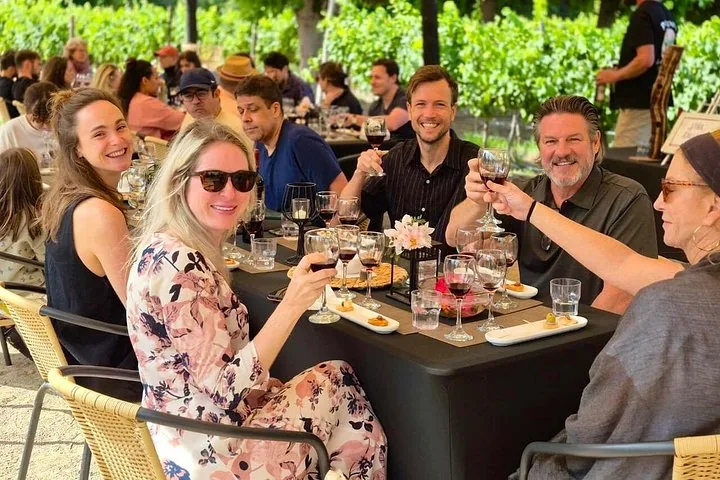
Maipo Valley Wine Tour: 4 Wineries, Pisco Tasting and Optional Lunch
- 4.9/5 (2,725 reviews)
- 10 hours
- Free cancellation
- Operated by Stamp's Tour
Includes Hotel or Airbnb pickup from 7:30 am in set Santiago areas, with drop-off around 6:00 to 6:30 pm · English or Spanish …
You'll choose your date and complete the booking on Viator. Free cancellation up to 24 hours before departure.
Same ride, also on GetYourGuide
From $149 per person · ★ 4.8 from 620 GetYourGuide reviews
Each platform sets its own price and collects its own reviews, so compare both before you book on Viator.
Chilean wine at a glance
| Question | Quick answer |
|---|---|
| What wine is Chile famous for? | Cabernet Sauvignon and Carmenère, alongside Sauvignon Blanc and Chardonnay |
| What is Chile’s signature grape? | Carmenère, the variety most closely tied to Chile abroad |
| What is Chile’s best-known red wine? | Cabernet Sauvignon, particularly from the Maipo |
| What are Chile’s best white wines? | Sauvignon Blanc and Chardonnay from Casablanca, San Antonio and Limarí |
| What is Chile’s most famous wine region? | The Maipo, above all for its Cabernet Sauvignon |
| Which wine valley is closest to Santiago? | The Maipo; one historic estate, Cousiño Macul, is inside the city |
| Which region is best for premium reds? | The Maipo, Colchagua and parts of Cachapoal |
| Which region is best for beginners? | The Maipo for classic reds; Casablanca for whites and a wider cool-climate tasting |
| When is the Chilean wine harvest? | From about February to April, sometimes into May, depending on region, grape and year |
| Can you tour wineries from Santiago? | Yes. Tours run to the Maipo, Casablanca and Colchagua |
Chile’s tourism board puts the central valleys, from Casablanca through the Maipo and Colchagua down to the Maule, at the heart of its wine route.
For years, Chile sold abroad mainly on good-value bottles, and it still makes plenty of enjoyable, affordable wine. That is only half the picture. The country also makes age-worthy reds, elegant cool-climate whites, distinctive Carmenère and a growing number of wines from old grapes such as País and Carignan. You need neither expert knowledge nor a week in the countryside to get to know them: one well-chosen day in the Maipo or Casablanca introduces the main grapes, two very different landscapes and the people who make the wine.
Other Experiences
Other experiences you might enjoy
More wine tours from Santiago, each with its own page and booking link.
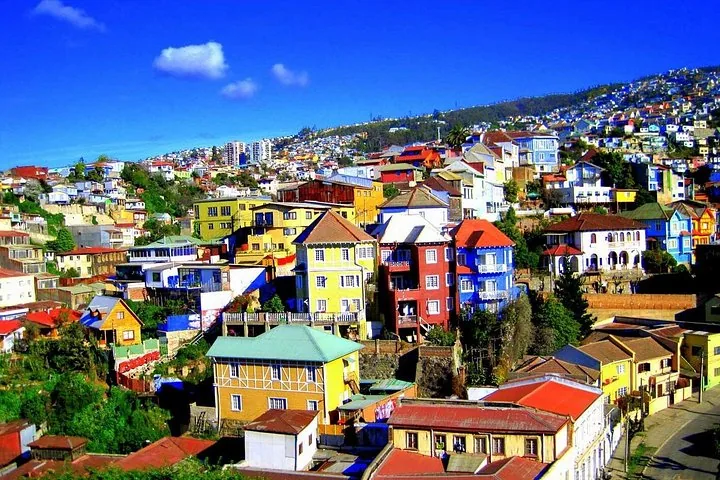
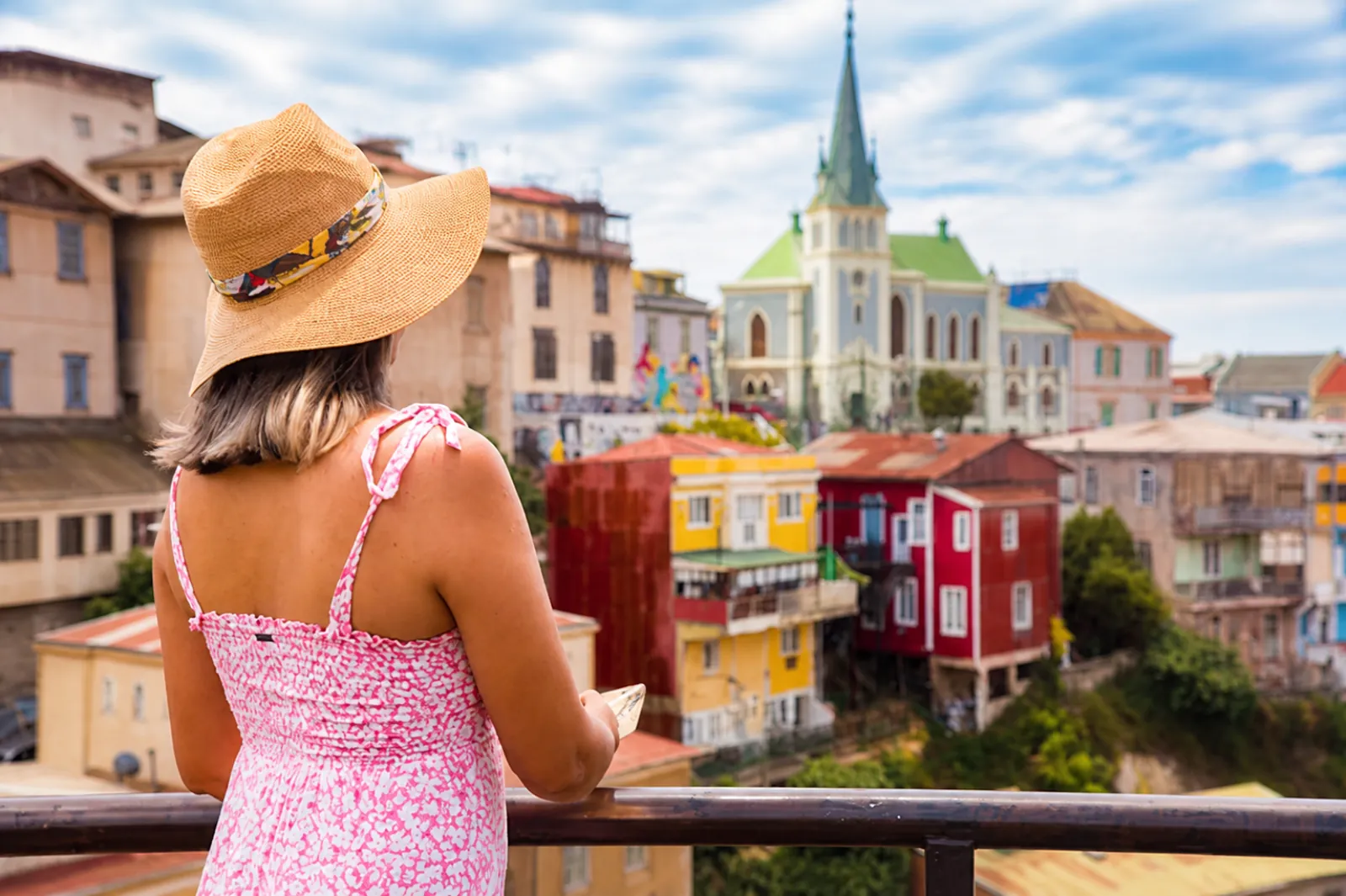
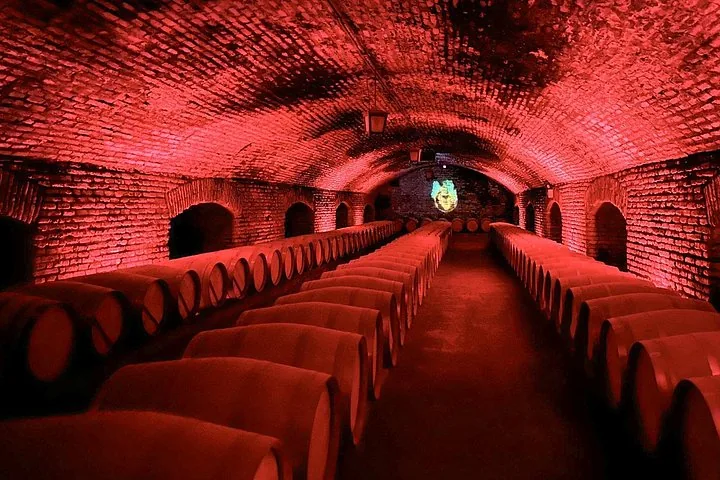
What makes Chilean wine special?
Mostly its geography. Chile runs down South America’s Pacific coast with the Andes along its eastern side, and the valleys between the mountains and the sea combine sunshine, temperature, altitude, wind and soil in very different ways.
That gives winemakers a lot of room. Grapes that like warmth, such as Cabernet Sauvignon and Carmenère, ripen well in many inland valleys. Varieties that need cooler conditions, including Sauvignon Blanc, Chardonnay and Pinot Noir, do well in coastal and southern vineyards. Drive west from the Andes towards the Pacific and you can watch the change: snow-capped peaks above the Cabernet vineyards of the Maipo, then greener, cooler hills where the white grapes grow.
The Andes: sunshine, altitude and cool nights
Inland wine regions often have warm, sunny days followed by much cooler nights. This daily swing in temperature, the diurnal range, helps grapes ripen while keeping their acidity. The effect varies with site, altitude and season, but it is one reason Chilean reds can combine ripe fruit with freshness.
The Pacific: cool air from the coast
The Pacific Ocean has a strong influence on the coastal vineyards. Cold ocean currents, sea breezes and morning fog keep temperatures down, particularly in Casablanca and San Antonio, which suits grapes that lose their freshness in too much heat. The result is citrusy Sauvignon Blanc, structured Chardonnay, aromatic Pinot Noir and cool-climate Syrah.
Soils and old vines
Chile’s vineyards sit on alluvial terraces, granite, clay, limestone-influenced sites and more. Soil affects how much water the vine gets and how it grows, although no soil translates directly into one particular flavour.
In the Maule and Itata, old vines are a big part of Chile’s winemaking heritage. Some are dry-farmed and trained as low bush vines instead of growing on modern trellised rows, a reminder that Chilean wine has a longer and more varied history than its export reputation suggests. Wines of Chile, the industry body, documents this range region by region, from the limestone of the Limarí Valley to coastal San Antonio and the historic vineyards of the Maule.
The grape varieties to know
You don’t need to memorise dozens of grapes before visiting a Chilean winery. Seven or eight explain most of what you will meet on a typical tasting from Santiago, and they give you a base for the less common wines.
| Grape | Typical style | Main regions to explore | A good choice for |
|---|---|---|---|
| Cabernet Sauvignon | Full-bodied, blackcurrant, cedar, firm tannins | Maipo, Colchagua, Aconcagua | Classic red-wine drinkers |
| Carmenère | Plum, blackberry, herbs, pepper | Colchagua, Cachapoal, Maule | Something distinctively Chilean |
| Merlot | Soft, plummy, medium-bodied | Central Valley, Maule, Colchagua | Approachable reds |
| Syrah | Dark berries, spice, pepper | Elqui, Limarí, Colchagua | Adventurous red drinkers |
| Sauvignon Blanc | Citrus, herbs, fresh acidity | Casablanca, San Antonio | Crisp white-wine lovers |
| Chardonnay | Citrus, orchard fruit, creamy or mineral styles | Casablanca, Limarí | Drinkers who like both lean and rich whites |
| Pinot Noir | Cherry, raspberry, delicate tannins | Casablanca, San Antonio, southern Chile | Lighter reds |
| Carignan | Red fruit, herbs, lively acidity | Maule | Enthusiasts looking for old-vine character |
These are typical profiles, not guaranteed tasting notes. Vineyard site, vintage, oak ageing and winemaking can make two wines from the same grape taste very different.
Cabernet Sauvignon, Chile’s classic red
Cabernet Sauvignon is the grape that put modern Chilean wine on the international map, and the Maipo Valley is the place to taste it. Expect blackcurrant, blackberry, cedar and tobacco, sometimes with a minty or eucalyptus-like herbal note, in a medium-full to full-bodied wine. The best-known Maipo examples combine ripe dark fruit with structured tannins and freshness, and they can develop complexity with age. Simpler bottles are fruity and ready to drink young; premium wines can benefit from several years in the cellar. It shows clearly how the mountain-influenced vineyards shape Chile’s reds.
Look for Cabernet-focused tastings at Concha y Toro, Santa Rita, Cousiño Macul or a specialist producer in the Alto Maipo. The Marqués de Casa Concha tasting at Concha y Toro ends with ten wines and cheese in a private room, from $135 and rated 4.9 from 1,223 reviews on Viator. Pair Cabernet with grilled beef, lamb, mushrooms, hard cheeses and hearty Chilean dishes.
A tip for the tasting room: try a young Cabernet beside an aged or reserve bottling. The differences in tannin, fruit and savoury aromas teach you more than three similar young wines in a row.
Carmenère, Chile’s own grape
- Where it grows best: Colchagua, Cachapoal and the Maule.
- What it tastes like: ripe plum, blackberry, sweet spice, pepper and sometimes green herbs, medium to full-bodied.
- Food: empanadas de pino, roast pork, grilled peppers, savoury stews and mushrooms.
Carmenère came from Bordeaux, and for decades Chilean growers mistook it for Merlot. It was identified in a Chilean vineyard in 1994, and since then it has become the grape most closely tied to Chile’s wine identity.
Good Carmenère is richly fruity, fragrant and surprisingly supple. Less ripe examples can show strong green pepper or herbal notes. Those aromas are not automatically a fault, but their strength varies widely from wine to wine. If you like Merlot but want more spice and character, a balanced Carmenère is a fine choice, and if you have time for only one wine beyond Cabernet Sauvignon, choose this one.
Colchagua is the best place to taste it, at estates such as Montes and Viu Manent. From Santiago, the private Los Maquis and Neyen day ends at Neyen in Apalta with a tasting that includes its Primus Carménère, from $370 each for two and rated 5.0 from 20 reviews on Viator. The semi-private Viu Manent and Montes day costs less, from $280, and is rated 4.9, although from only 9 reviews on Viator so far.
Merlot, the softer red
Merlot is a useful grape to know if you prefer plush fruit and gentler tannins than a young Cabernet Sauvignon. Chilean examples often show plum, cherry, blackberry and a chocolate-like note. Some are inexpensive and easy to drink; others are serious, structured wines. Grape variety alone doesn’t decide softness, though: a concentrated, oak-aged Merlot can be more powerful than a light Cabernet. Look for it in the Maule, Colchagua and other Central Valley areas.
Syrah: spice, dark fruit and a lot of variety
Chilean Syrah changes character across the country. Warmer sites give dense, dark-fruited wines, while cooler parts of Elqui and Limarí produce fresher, peppery styles. Typical flavours are blackberry, black pepper, violet, smoked meat and herbs. If you already enjoy Australian Shiraz or Rhône reds, try a Chilean Syrah to see what Chile does differently. Montes Folly, one of the Syrahs Montes makes in Apalta, is among the icon wines poured on the Montes Icon tour (see the Colchagua section below).
Sauvignon Blanc, the coastal white
If Cabernet Sauvignon shows what Chile does with warmth and sunshine, Sauvignon Blanc shows what its cooler vineyards add. It is one of the clearest examples of the Pacific’s influence on Chilean wine. The best regions are Casablanca and San Antonio, and many coastal examples are crisp, aromatic and refreshing, usually light to medium-bodied with lively acidity. Some lean towards lime, grapefruit, green apple and fresh herbs; others offer passion fruit, gooseberry, tropical fruit or a more restrained savoury quality.
Taste it in the Casablanca Valley, at Casas del Bosque, Emiliana or another coastal producer. The shared Four Casablanca Wineries day tastes at Emiliana, Bodegas RE and Casa del Molle, then stops at Casas del Bosque for a lunch you pay for, from $139 and rated 4.8 from 646 reviews on Viator. Drink Sauvignon Blanc with ceviche, oysters, white fish, seafood empanadas and fresh goat’s cheese.
Chardonnay, more than a buttery white
Chardonnay is one of the world’s most adaptable grapes, and Chile makes good use of that. In Casablanca and Limarí you will find bright, citrus-driven wines next to fuller versions with a creamy texture from oak ageing, lees contact or malolactic fermentation. Common notes include lemon, apple, peach, toasted nuts and sometimes butter. If you think all Chardonnay tastes heavy or oaky, a well-made, fresher Chilean example may change your mind, and comparing two styles side by side shows how much the winemaking matters.
On the private Bodegas RE and Emiliana tour, Emiliana’s five-wine tasting runs from Sauvignon Blanc through a Gran Reserva Chardonnay and Gran Reserva Pinot Noir to Syrah, from $275 per person; it is rated 4.7, but from only 15 reviews on Viator.
Pinot Noir, the lighter red
Pinot Noir is a good choice if you don’t usually drink big reds. Cool-climate Chilean Pinot often has red cherry, raspberry, subtle spice and fairly delicate tannins. It is generally lighter than Cabernet Sauvignon or Carmenère. Look for it from Casablanca, San Antonio and some southern valleys, and drink it with roast chicken, salmon, mushrooms and lighter meat dishes.
Carignan, País and Cinsault, the old grapes
Three grapes show a different side of Chilean wine:
- Carignan is linked above all with old vines in the Maule. It can make energetic reds with red-berry fruit, firm structure and savoury, herbal complexity.
- País, known historically as Mission, goes back to the beginnings of Chilean winemaking. Today’s producers use it for everything from light, fresh reds to more structured, traditional wines.
- Cinsault has found new interest in Itata and other southern areas. Expect fragrant, often lighter-bodied reds, a long way from the dense Cabernet style many visitors associate with Chile.
Look for these in specialist tastings and wine bars. None of the tours on this site lists them in its tastings, and they rarely appear on the standard winery visits around Santiago.
Sparkling wine and pisco
Chile also makes sparkling wine, and two shared days from Santiago include it. The Maipo four-winery day stops at Santa Ema, which makes still and sparkling wine, and at La Quirinca you taste its wine and Chilean pisco, the grape brandy behind the pisco sour. In Casablanca, the Casablanca Valley 4 Vineyards day tastes at Viñamar, a sparkling-wine house, along with Emiliana and Bodegas RE, from $149 and rated 4.9 from 144 reviews on Viator.
Chile’s wine regions: where to go
Chile’s wine regions stretch far beyond Santiago, but the central valleys are the practical place for a visitor to start, and three of them have the tours: the Maipo, Casablanca and Colchagua. They are different enough that choosing the valley matters more than picking the highest-rated winery.
- Maipo: classic Chilean reds, Cabernet Sauvignon above all, historic estates and easy trips from Santiago.
- Casablanca: Sauvignon Blanc, Chardonnay and Pinot Noir, with relaxed vineyard lunches.
- Colchagua: Carmenère, ambitious red blends, beautiful estates and wine-country stays, for a longer trip.
Maipo Valley, the home of Chilean Cabernet
The Maipo is the natural first stop. It runs south and south-east of Santiago and holds some of Chile’s longest-established producers, and you can visit with half a day or one free day. Cabernet Sauvignon is the star, especially in the mountain-influenced Alto Maipo.
The Maipo wineries are not all alike. Some show off grand estates and winemaking history; others run contemporary tasting rooms, personalised flights or small-scale production. Four to look at:
- Concha y Toro: the famous name, the historic Pirque estate and the Casillero del Diablo cellar.
- Santa Rita: heritage gardens, traditional winemaking and a museum.
- Cousiño Macul: a historic winery inside Santiago.
- Aquitania: a smaller producer making wine close to the city.
Give one nearby estate half a day, or a full day for several wineries. The Maipo is the easiest choice for first-time visitors, Cabernet drinkers and travellers short of time. The Maipo four-winery day from $119 is the shared option with the most tastings, and the Maipo Valley wine tours page compares the rest.
Casablanca Valley, cool-climate wine on the road to the coast
Casablanca lies between Santiago and the Pacific, a natural stop on the road to Valparaíso. Its cool maritime climate suits Sauvignon Blanc, Chardonnay and Pinot Noir, and the day feels different from the Maipo: instead of tasting structured reds, you compare crisp whites and lighter reds, often over lunch.
Wineries to look at:
- Casas del Bosque, for coastal varieties and its restaurants.
- Emiliana, for organic and biodynamic farming; its own tours cover organic and biodynamic agriculture, the vineyard soils and local growing conditions.
- Veramonte, a well-known Casablanca producer of cool-climate wines.
- Bodegas RE, for unconventional winemaking.
Plan a full day from Santiago. Casablanca suits white-wine lovers, couples, food-focused travellers and anyone who wants an unhurried vineyard day. Besides the shared four-winery days, the private Casablanca tour pours four Emiliana wines with a cheese and chocolate board, tastes at William Cole and finishes with lunch at Casa del Bosque at your own cost, from $150 and rated 4.9 from 116 reviews on Viator. See Casablanca Valley wine tours for every option.
Colchagua Valley, premium reds and wine-country scenery
Choose Colchagua if you want the wine to be the main event of your trip, not an outing squeezed between other sights. The valley lies about 180 km south of Santiago, roughly 2.5 to 3 hours each way, and its main visitor areas are Santa Cruz and Apalta. Its reputation rests on powerful and increasingly refined reds: Carmenère, Cabernet Sauvignon and red blends.
Its best-known names include Montes, for premium wines in Apalta; Viu Manent, for its estate visit and reds; Lapostolle, one of the big names in high-end Colchagua wine; and Casa Silva, a historic producer with a broad range of reds.
A day trip is possible, but with several wineries and lunch it can feel rushed, so consider one or two nights near Santa Cruz. Every tour to Colchagua on this site is private or semi-private and runs 10 to 12 hours. The Private VIK and Montes Wineries Day Trip pairs Viña VIK, in the Millahue valley of neighbouring Cachapoal, with the Montes Icon tour, at $375 each for two and rated 4.7 from 28 reviews on Viator. If you are travelling alone, the Full-Day VIK and Montes Premium Wine Tour takes solo bookings at $610, or $419 each for two, rated 5.0 from 11 Viator reviews, a short record. The Colchagua Valley wine tours page compares them.
Other Chilean wine regions
Chile’s wine country goes well beyond those three valleys:
| Region | Best known for | Why it matters |
|---|---|---|
| Aconcagua | Cabernet Sauvignon, Syrah, coastal Chardonnay | Vineyards from the mountains to the sea |
| San Antonio / Leyda | Sauvignon Blanc, Pinot Noir, Chardonnay | Distinctive Pacific-cooled wines |
| Limarí | Chardonnay, Syrah, Pinot Noir | Limestone-influenced vineyards and cool coastal conditions |
| Cachapoal | Carmenère, Cabernet Sauvignon | Premium red areas, including Peumo |
| Curicó | Cabernet Sauvignon, Sauvignon Blanc, Chardonnay | Large, varied commercial production |
| Maule | Carignan, País, Cabernet Sauvignon | Historic vines and a growing number of small producers |
| Itata | País, Cinsault, Moscatel | Traditional vineyards and a new wave of artisanal wine |
| Bío Bío | Pinot Noir, Chardonnay, aromatic whites | Cooler southern conditions and distinctive styles |
These regions help you understand Chilean wine, but most are not easy day trips from Santiago. The tours on this site cover the Maipo, Casablanca and Colchagua; the only other valley they reach is Cachapoal, for Viña VIK on the two VIK and Montes days. To visit the others, plan your own trip with a car or a night or two away. The Wines of Chile region map shows where they all are.
Maipo, Casablanca or Colchagua?
For most people staying in Santiago, choosing the valley is the biggest decision of the wine day.
| Maipo | Casablanca | Colchagua | |
|---|---|---|---|
| Main attraction | Classic Cabernet Sauvignon | Cool-climate wines | Premium reds |
| Other wines | Carmenère, Merlot, blends | Chardonnay, Pinot Noir | Carmenère, Syrah, blends |
| Drive from Santiago | About 1 hour; Cousiño Macul is inside the city | About 80 km, around 1 hour depending on traffic | About 180 km, 2.5 to 3 hours each way |
| Half day? | Yes, at selected wineries | Usually a full day | No |
| Full day? | Excellent | Excellent | Yes, but long |
| Food | Historic estate dining | Vineyard restaurants | Destination winery lunches |
| For beginners | Excellent | Excellent | Good |
| For enthusiasts | Excellent | Very good | Excellent |
Drive times are planning figures and change with the winery, the traffic and where you start in Santiago.
Our advice: choose the Maipo for your first Chilean wine day if you love reds or are short of time. Choose Casablanca if white wine, Pinot Noir or a long vineyard lunch sounds better. Choose Colchagua when you can give wine country a full day or a night away. To compare the tours valley by valley, see which wine tour from Santiago is right for you.
Wineries to visit from Santiago
Each of these wineries shows a different side of Chilean wine and runs established visits. We chose them for their location, their wines and their visitor programmes; check the dates you need, because not every visit runs every day.
Concha y Toro, for the famous name
Pirque, Maipo Valley. If you know Chilean wine mainly from bottles at home, Concha y Toro is an easy place to start: a name you recognise, historic grounds and the Casillero del Diablo cellar story. The focus is Cabernet Sauvignon and a selection of premium wines, and the visit is polished and well organised, which suits first-time winery visitors and couples. The winery’s own programme in Pirque combines tastings, historic gardens and the cellars, with premium guided visits among its options and inclusions that vary by package.
Know what you are buying: a winery ticket is not a package with transport from Santiago. The Concha y Toro Premium Wine Center Tour adds a shared Turistik bus from a city meeting point and four premium wines, from $105 and rated 4.8 from 934 reviews on Viator; the Marqués de Casa Concha tasting follows the same route with ten wines. For hotel pickup, Concha y Toro with transfer and tasting takes about 4 hours and pours a Cabernet Sauvignon in the old cellar, from $82 and rated 4.3 from 557 GetYourGuide reviews. Our Concha y Toro tours page compares them all.
Santa Rita, for wine, history and culture
Santa Rita, at Alto Jahuel in the Maipo, gives you more than a straightforward tasting. The estate brings together historic cellars, gardens, the Museo Andino and a restaurant, and its wines run to Cabernet Sauvignon, Carmenère and red blends. The winery’s own programme includes classic and premium tastings, a Carmenère tasting, restaurant meals and museum visits, some booked separately. It suits a relaxed half day or a full day.
The Santa Rita Day Tour with Lunch and Andean Museum spends the day on the estate with a guided visit, three wines, a three-course lunch, a bicycle in the vines and the museum. It runs on Wednesdays and Fridays from Santiago meeting points, from $207 and rated 4.8 from 426 reviews on Viator. Read our breakdown of the Santa Rita day.
Cousiño Macul, without a long journey
In Peñalolén, on Santiago’s eastern edge, Cousiño Macul keeps historic winemaking inside the city, which makes it the practical choice if you cannot give a whole day to wine. Its wines centre on Cabernet Sauvignon and other estate reds, and the winery’s own menu runs from traditional tastings to premium options, vineyard cycling and vertical tastings. The visit also shows how Santiago has grown up around its old wine estates.
You get there by taxi or app. The winery’s own Cousiño Macul Traditional Wine Tour in English is a one-hour walk with three wines, from $27 and rated 4.9 from 400 reviews on Viator; on GetYourGuide, the Cousiño Macul Heritage Wine Tour is from $25 with 4.9 from 175 reviews. Read our breakdown of the Heritage Wine Tour.
Emiliana, for organic wine
At Emiliana, in the Casablanca Valley, much of the visit takes place out in the vineyard. You hear how organic and biodynamic farming works and how soil care, biodiversity and farming choices show in the finished wine, which makes it a good stop for anyone interested in sustainability or in how grapes are grown. The range covers organic wines in several styles, cool-climate whites among them.
Emiliana is the first stop on the Four Casablanca Wineries day and on the Casablanca Valley 4 Vineyards day, and the private Casablanca tour from $150 starts there too.
Montes and Viu Manent, deeper into Colchagua
Montes appeals to visitors interested in premium red wine, distinctive winery architecture and the Apalta landscape. Viu Manent is a destination winery that combines red wine, estate scenery and food. Both are a long way from Santiago, so plan them into a Colchagua itinerary instead of trying to fit them in on the spur of the moment.
The Viu Manent and Montes day visits both in about 10 hours, with a tour and tasting at each and hotel pickup, from $280 (4.9 from only 9 Viator reviews); lunch at Fuegos de Apalta is optional and extra. For the Icon tour at Montes, take one of the two VIK and Montes days above. Our guide to the best wineries near Santiago covers 15 estates in more detail.
How to taste Chilean wine
You don’t need expert knowledge to enjoy a winery tasting, and comparing a few glasses teaches you a lot. A typical guided visit introduces the estate, explains the growing conditions and takes you through several wines. Some include a walk in the vines or a look at the production area; others take place mainly in a tasting room.
The five steps
- Look. Notice the colour and its depth. Is the red bright ruby, purple or garnet? Is the white pale straw or deep gold? These are clues to the grape, the age and the winemaking.
- Swirl. Move the wine gently around the glass to release its aromas.
- Smell. Look for familiar aromas: berries, citrus, herbs, flowers, vanilla or spice. You don’t have to find every flavour the guide lists.
- Taste. Take a small sip and think about fruit, acidity, sweetness, tannin, body and texture. Does the wine feel refreshing, soft or drying?
- Compare. Ask why one wine tastes different from another, and which you prefer.
Four useful wine terms
- Tannins: compounds that leave a drying or slightly gripping feel in the mouth, most noticeable in many red wines.
- Acidity: what makes a wine feel fresh and lively. High-acid wines often go especially well with food.
- Body: the weight and richness of the wine, usually described as light, medium or full.
- Finish: how long the flavour stays after you swallow or spit.
A good beginner’s exercise is to compare a Cabernet Sauvignon, a Carmenère and a Pinot Noir. You will probably notice the differences in structure and tannin before you can name individual aromas.
How many wineries in a day?
For most travellers, two or three is a comfortable maximum. One winery is enough if you choose a longer visit with lunch, a vineyard walk or a special tasting. Four or five guided tastings in one day can leave you watching the clock more than enjoying the wine. Leave time for food, water and travel. Tasting pours still contain alcohol, and using the spittoon is completely acceptable.
Which Chilean wine to try first
Start from what you already enjoy:
| If you usually drink… | Try this Chilean wine | Why |
|---|---|---|
| Bordeaux-style reds | Maipo Cabernet Sauvignon | Structured, dark-fruited and often savoury |
| Merlot | Colchagua Carmenère | Ripe fruit with extra spice and herbal notes |
| Australian Shiraz | Chilean Syrah | Rich fruit, fresher and more peppery in cooler regions |
| Burgundy Pinot Noir | Coastal Chilean Pinot Noir | Light to medium body and bright red fruit |
| New Zealand Sauvignon Blanc | Casablanca Sauvignon Blanc | Refreshing, citrusy, often herbal |
| White Burgundy | Limarí or Casablanca Chardonnay | Texture balanced by fresh acidity |
| Unusual old-vine wines | Maule Carignan | Distinctive fruit, structure and freshness |
| Lighter, rustic reds | País, or Cinsault from Itata | Historic varieties with plenty of character |
A six-wine introduction to Chile
If you can arrange a guided comparative tasting, or build a selection over several winery visits, this makes an excellent first flight:
- Casablanca Sauvignon Blanc
- Limarí or Casablanca Chardonnay
- Coastal Pinot Noir
- Maipo Cabernet Sauvignon
- Colchagua Carmenère
- Maule Carignan
Taste the lighter wines before the more powerful ones. The order is not a rule, but it stops delicate flavours being drowned out. Together the six show differences in grape, climate, acidity and tannin, and they tell the story of Chile’s geography. The first four are the easiest to find on tours from Santiago; for the last two, look in a Santiago wine bar or shop.
Chilean wine and food
Wine is part of Chilean food culture, and a vineyard lunch can be as memorable as the tasting. You don’t need strict pairing rules: match the weight of the dish to the wine, think about acidity, and decide whether you want the flavours to echo or contrast. Four pairings to start with:
- Empanadas de pino with Carmenère: the wine’s dark fruit and spice suit the beef, onion and savoury filling.
- Ceviche with Sauvignon Blanc: fresh acidity goes with the citrus, seafood and herbs.
- Grilled beef with Cabernet Sauvignon: the tannins and dark fruit suit richly flavoured meat.
- Salmon with Pinot Noir: a lighter red works well with the richer texture of the fish.
Chardonnay with roast chicken, Syrah with lamb and Carignan with grilled mushrooms or hearty vegetable dishes also work well.
Is a winery lunch worth booking?
Usually, yes, if food is an important part of your day. Lunch lets you drink the wine with a meal instead of tasting several in quick succession. Always check whether lunch is:
- included in the tour price,
- an optional paid extra, or
- à la carte, with a separate restaurant booking.
A tour that lists a stop at a winery restaurant does not necessarily include the meal. On the shared Casablanca four-winery days, for example, lunch at Tanino is at your own cost. The Casas del Bosque tour with Tanino lunch includes a three-course lunch with two wines after a four-wine tasting, from $130 and rated 4.5 from 17 GetYourGuide reviews, still a small record. See wine tours from Santiago with lunch for the others.
A short history of Chilean wine
A little history makes a winery visit much more interesting.
The 1500s: vines arrive with the Spanish
European grapevines reached Chile in the Spanish colonial period. The País grape became especially important because it was hardy, productive and suited the practical needs of early winemaking. For centuries, local wine was tied to farming, religious life and everyday drinking.
The 1800s: French vines and new estates
Wealthy Chilean families began importing European vines, especially the French varieties of Bordeaux. Cabernet Sauvignon, Merlot and other grapes arrived with more formal methods of vineyard management and winemaking. Several of the historic estates around Santiago date from this period and still receive visitors.
The late 1800s: phylloxera stays away
Phylloxera, an insect that attacks vine roots, devastated many European vineyards in the 19th century. Chile’s isolation, between the Andes, the Pacific and the desert to the north, helped keep it out. Chilean vineyards kept important pre-phylloxera plant material, although that does not mean every vine in Chile is very old, or that the country is immune to every vineyard pest.
1994: Carmenère is identified
One of Chile’s best wine stories concerns a grape hiding in plain sight. In November 1994 the French ampelographer Jean-Michel Boursiquot identified Carmenère among vines thought to be Merlot at Viña Carmen. The discovery changed how Chile understood its vineyards and gave producers the chance to develop Carmenère as a variety in its own right.
The 2000s to today: new regions and old grapes
Modern Chilean wine is about more than Cabernet Sauvignon and big red blends. Producers are planting cooler coastal regions, protecting old-vine vineyards, experimenting with fermentation and paying new attention to País, Carignan and Cinsault. For visitors, that means a historic estate and a small experimental producer can show you two very different sides of the same country.
When to visit Chilean wine country
The wine valleys near Santiago take visitors all year, although the vineyards and what you can do in them change with the seasons. Chile is in the southern hemisphere, so the seasons are the reverse of Europe’s and North America’s.
| Season | Months | What to expect |
|---|---|---|
| Summer | December to February | Warm weather, green vines, long days and outdoor tastings; the harvest starts in about February |
| Autumn | March to May | The main harvest, usually through April and sometimes into May, with festivals and autumn colours |
| Winter | June to August | Quieter vineyards, cooler weather, some rain and indoor tastings |
| Spring | September to November | New growth on the vines, pleasant weather and attractive scenery |
March and April, for the harvest
For wine lovers, March and April are the most appealing months because they fall in the main harvest in many regions. Some wineries run special visits, and towns hold Fiestas de la Vendimia with food, music and local wine. The exact timing varies with the grape, the region and the year, and Chile’s tourism board publishes a calendar of the harvest festivals. A standard winery tour does not include picking grapes, and none of the tours on this site sells a harvest package.
Spring, for comfortable sightseeing
September to November is a good time for walking in the vineyards and combining a tasting with other sightseeing. Conditions vary between regions, but spring generally brings mild temperatures and fresh green growth on the vines.
Can you visit wineries in winter?
Yes. Many established estates run guided visits all year, although outdoor activities and some tour schedules change. Winter suits you if you care more about learning and tasting than about lush vines; the trade-offs are shorter days and less pleasant weather for eating outdoors. Choose your tour for the winery visit you want, not only for the month: a well-planned winter tasting can be more enjoyable than a crowded harvest weekend.
How to visit wineries from Santiago
Santiago is a convenient base for wine country. You can arrange a single winery visit on your own or join a tour that takes in several estates.
A guided tour with transport
A guided tour suits most visitors who want to taste several wines, because it takes care of the logistics. Depending on the package, it can include hotel pickup, transport, a guide, the winery bookings and the tasting fees, and nobody in your group has to drive after drinking. When you compare tours, count the tastings included, not just the wineries on the itinerary. The Maipo four-winery day, for example, tastes at all four wineries but gives full guided visits at two.
Booking directly with a winery
If you know exactly which estate you want, booking direct can cost less, especially if someone in your party will not be drinking. Transport is then your own problem, and a taxi or app ride back from a rural winery is less predictable than the ride out. Some estates are easy to reach from Santiago; others are not.
A private driver or private tour
Couples, small groups and anyone who wants flexibility can hire a private driver or book a private tour. It is easier to combine wineries, stop for lunch and set a slower pace. For two people a private day costs considerably more than a shared tour; with four or more, the gap narrows. Check whether the price covers only the driver or also the winery bookings and tastings. The private Casablanca tour, from $150 per person, includes its two tastings; see best private wine tours from Santiago for the rest.
Driving yourself
Driving yourself works if you are already touring Chile by car and plan not to drink. The person who tastes should not also drive: Chile’s zero-tolerance law treats 0.3 grams of alcohol per litre of blood as under the influence, and a few tastings can take you past it. Choose a designated driver who stays sober, or use professional transport.
What Chilean wine tours cost
These are planning bands, not fixed prices:
| Type of visit | Approximate cost per person |
|---|---|
| Standard tasting booked with the winery | Roughly CLP 20,000 to 45,000 |
| Premium or specialist tasting at the winery | Roughly CLP 40,000 to 100,000 or more |
| Winery tour sold online, you get there yourself | $25 to $45 |
| Half day at one winery with transport | $60 to $135 |
| Shared full day at three or four wineries | $119 to $149 |
| Private full day in the Maipo or Casablanca | $150 to $636, falling as your group grows |
| Colchagua day, private or semi-private | $280 to $420 |
The dollar bands come from the tours we track on Viator and GetYourGuide, checked in October 2026; the peso figures are the wineries’ own approximate prices. What you pay depends on the inclusions, the season, the pickup and the number of tastings.
For comparison, the wineries’ own visitor pages have listed Santa Rita’s classic tasting at about CLP 31,000, a traditional tour at Cousiño Macul at about CLP 25,000 and a premium guided visit at Concha y Toro at about CLP 50,000. Those are prices at the winery, without transport from Santiago. Always check the current price and whether it covers entry, lunch, wine to take home or the ride back.
Three wine days to book from Santiago
Choose a tour for what you want to learn, not on review scores alone. These are the three kinds of day we would put first.
A Maipo multi-winery day, for red-wine lovers
Pick a tour with two or three tastings, ideally setting traditional estates against a smaller producer, and make Cabernet Sauvignon and Carmenère the priority. The Maipo four-winery day from $119 starts at a family farm and ends, on its Premium Route, with Undurraga’s full tour. The Maipo Wine and Food Trail swaps one tasting for a fire-cooked meal at Labranza, which is in the price only on the Full wine trail option, from $135 and rated 4.8 from 69 reviews on Viator. See 4-winery tours from Santiago.
A Casablanca day with lunch, for white wine and food
Look for Sauvignon Blanc and Chardonnay tastings, contrasting winemaking styles and an unhurried lunch. The Four Casablanca Wineries day from $139 sets organic Emiliana, the underground cellars of Bodegas RE and the small Casa del Molle side by side before lunch at Tanino at your own cost.
Colchagua’s premium reds, for a day all about the wine
Focus on fewer estates, book a good lunch and allow for the long journey from Santiago. The private Los Maquis and Neyen day tastes four wines at Los Maquis and three at Neyen, with a reserved table at Fuegos de Apalta that you pay for, in about 11.5 hours. Read our breakdown of the Los Maquis and Neyen day.
Whichever you choose, check the itinerary, the booking conditions, the inclusions and the availability for your date on the listing.
How to choose a bottle of Chilean wine
To bring wine home from your trip, or to read a restaurant wine list, start with the label.
Grape variety
Many Chilean wines name the grape prominently: Cabernet Sauvignon, Carmenère, Chardonnay or another variety. It is the quickest guide to the broad style you can expect.
Region
The region can tell you even more. A bottle labelled Maipo Valley Cabernet Sauvignon gives more geographic information than one labelled simply Valle Central. A Casablanca Valley Sauvignon Blanc suggests coastal influence, while a Maule Carignan points to the historic vineyards of south-central Chile.
Vintage
The vintage is the year the grapes were picked. Chile follows the southern hemisphere calendar, so a wine labelled 2025 comes from grapes harvested in the first months of 2025. Not every wine needs age to taste good: many whites and lighter reds are made to drink young.
Reserva and Gran Reserva
You will see these words on many Chilean labels, but don’t assume they work like Spain’s legally defined ageing categories. Chile uses them under a different set of rules, and they are not a simple, universal ranking of quality. The producer, the region and the character of the wine tell you more than the word Reserva.
How much to spend
Chile makes good wine at several price levels. For an everyday bottle, choose an established producer with clear grape and regional labelling. For a more memorable purchase, consider a wine from a specific valley or an older vintage you have already tasted. At a winery, ask whether the bottle is sold abroad: a wine you cannot find at home makes a better souvenir than a familiar export label. If you are flying home, check your airline’s baggage rules and your country’s alcohol allowance before you buy a case.
Two reds to start with, then the coast
If you try only two Chilean wines, make them a Maipo Cabernet Sauvignon and a well-made Carmenère. Together they cover Chile’s best-known red traditions: structure and elegance on one side, ripe fruit and herbal complexity on the other.
Stopping there would miss much of the fun. Try a crisp coastal Sauvignon Blanc, compare two styles of Chardonnay, taste a Pinot Noir grown near the Pacific, and, if you get the chance, an old-vine Carignan or País from farther south. Chile packs very different growing conditions into short distances, and you can taste the difference within a day.
From Santiago, the Maipo is the easiest introduction, Casablanca is the best alternative for white-wine lovers, and Colchagua suits you if you can give it a long day or a night away. You don’t need to know every grape before you go: choose the valley that suits your taste, book one good winery visit, and check the inclusions and dates on the listing before you pay. To compare every tour by valley, lunch and price, see which wine tour from Santiago is right for you, or find individual estates in our best wineries near Santiago guide.
Frequently asked questions
What wine is Chile most famous for?
Cabernet Sauvignon and Carmenère. Cabernet Sauvignon, especially from the Maipo, is the cornerstone of Chile’s red-wine reputation abroad, and Carmenère is the grape most closely tied to Chile’s wine identity.
Is Chilean wine good quality?
Yes. Chile makes wine across a wide range of quality and price, from inexpensive everyday bottles to ambitious fine wines that can age. Quality depends on the producer, the vineyard, the vintage and the individual bottle, not on the country name alone.
Is Chilean wine sweet or dry?
Most familiar Chilean Cabernet Sauvignon, Carmenère, Sauvignon Blanc and Chardonnay is dry. Chile also makes sweet and late-harvest wines, so check the style of a particular bottle before assuming it is dry.
What is the difference between Carmenère and Cabernet Sauvignon?
Carmenère often has ripe plum flavours, herbal notes and fairly supple tannins. Cabernet Sauvignon is usually more firmly structured, with blackcurrant flavours and more tannic grip. Both vary a lot with the vineyard and the winemaking.
Is Carmenère the same as Merlot?
No. They are different grape varieties, although both have historical links to Bordeaux. In some Chilean vineyards Carmenère was mistaken for Merlot until it was identified in 1994.
What is the best Chilean wine for beginners?
If you like reds, try a fruity Carmenère or an approachable Cabernet Sauvignon. For whites, a Casablanca Sauvignon Blanc is an excellent introduction. The best starting point is a style close to something you already enjoy.
Does Chile make good white wine?
Yes. Sauvignon Blanc and Chardonnay from Casablanca, San Antonio and Limarí show what Chile’s coastal and cooler regions can do, and some of the country’s most interesting wines are white.
Is Chilean wine better than Argentinian wine?
Neither country is better across the board. Chile is especially known for Cabernet Sauvignon, Carmenère and coastal whites; Argentina is best known for Malbec and high-altitude vineyards. Both make outstanding wines in several styles.
How far are the wine regions from Santiago?
The Maipo is about an hour away, and Cousiño Macul is inside the city. Casablanca is about 80 km west, around an hour depending on traffic. Colchagua is about 180 km south, roughly 2.5 to 3 hours each way, depending on the estate and the traffic.
Can you visit Chilean vineyards without a tour?
Yes. Many wineries take direct bookings for guided tastings, although walk-ins are not guaranteed and rural transport can be difficult. A booked visit with transport arranged is often the easier choice.
How many wineries can you visit in one day?
Two or three is a comfortable target for most visitors. One winery can fill several hours if the visit includes a special tasting, lunch, a garden walk or a museum.
What is the best month for Chilean wine tasting?
March and April, for the harvest and the festivals. Spring, from September to November, is good for scenery and comfortable sightseeing, and the established wineries run tours for most of the year.
What is the drinking age in Chile?
The legal age to buy and drink alcohol is 18. Some winery visits set their own age rules on top of that.
Do Chilean wineries offer English-language tours?
Many established wineries do, but the language varies between tours and departure times. Check that English is offered for the tasting itself before you book.
Should I book a winery tour in advance?
Yes, especially for weekends, the harvest season, premium tastings and winery restaurants. Booking ahead also helps when you are lining up several estates in one day.
Still deciding? Compare every wine tour from Santiago by valley and price, read our breakdown of the Maipo four-winery day, or see the Maipo, Casablanca and Colchagua valley pages.
Spend a Day in Chile's Wine Country
Free cancellation up to 24 hours before. Maipo Valley Wine Tour: 4 Wineries, Pisco Tasting and Optional Lunch from $119 per person.
Check Availability & Book