Colchagua Valley wine guide: wineries, Santa Cruz and day trips from Santiago
Colchagua Valley from Santiago: Montes, Viu Manent, Clos Apalta and Casa Silva, cellar-door prices, Santa Cruz and its museum, itineraries and where to stay overnight.
Colchagua works as a day trip from Santiago, but a long one: Santa Cruz is about 180 km south, 2.5 to 3 hours each way. With one day, book two wineries and lunch; with two, stay overnight and give the best estates the time they deserve. Our ranking of the best wineries in Colchagua helps you pick them. The Viu Manent and Montes Winery, Colchagua Valley from semi-private day covers the pairing we recommend for a first visit, with a tour and four tastings at Montes, a tour and five at Viu Manent and Santiago hotel pickup, from $280 per person for about 10 hours. It is rated 4.9 from 9 reviews on Viator, a small number, so read the recent ones.
South of Santiago, past the farmland of central Chile, the Colchagua Valley opens into vineyards, golden hills and old estates. This is the country of deep Carmenère, elegant Cabernet Sauvignon and ambitious red blends. You can tour Viu Manent’s vineyards by horse-drawn carriage, walk through Montes’ gravity-fed winery or book a private tasting at Clos Apalta. The town of Santa Cruz is the base, with restaurants, a large museum and wineries close by. Tour prices here are “from” figures per person as checked in October 2026; the live price is always on the booking page. To compare the private Colchagua days side by side, see our Colchagua Valley wine tours page.
Check Availability
Colchagua Valley at a glance
| Question | Quick answer |
|---|---|
| Where is Colchagua Valley? | O’Higgins Region, central Chile, south of Santiago |
| Main wine-touring town | Santa Cruz |
| Distance from Santiago | About 180 km to Santa Cruz |
| Drive from Santiago | About 2.5 to 3 hours each way |
| Famous grape varieties | Carmenère, Cabernet Sauvignon, Syrah and Malbec |
| Best-known wineries | Montes, Viu Manent, Clos Apalta, Casa Silva |
| Ideal tour length | 10 to 12 hours from Santiago |
| Best number of wineries per day | Two, with time for lunch |
| Best season | Spring to autumn, especially the March harvest |
| Suitable for a day trip? | Yes, but expect a long journey |
| Better with an overnight stay? | Yes, especially for premium wineries |
Chile’s tourism board places Santa Cruz about 180 km south of Santiago and recommends private transport or an organised tour for the wineries.
Other Experiences
Other experiences you might enjoy
More wine tours from Santiago, each with its own page and booking link.
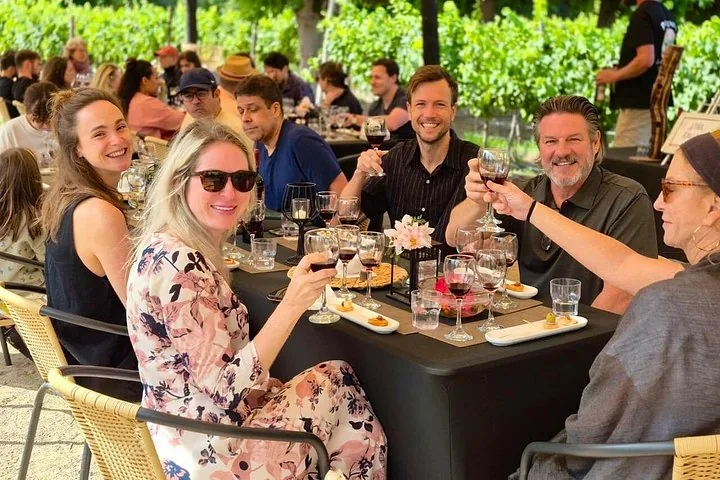
Why visit Colchagua Valley?
Colchagua is one of Chile’s great wine destinations, and its appeal goes beyond famous labels.
Where some regions offer little more than short tastings, Colchagua adds dramatic cellars, working vineyards, restaurants, boutique hotels and a strong connection with rural central Chile.
1. It is one of Chile’s great red-wine regions
If you enjoy red wine, Colchagua deserves a place on your list.
Its warm growing season and varied vineyard sites suit Carmenère, Cabernet Sauvignon, Syrah and other reds.
You can move from easy, fruit-forward wines to complex blends made for ageing, and a good tasting makes the differences between grapes, sites and winemaking much easier to understand.
2. Apalta is a destination within the destination
West of Santa Cruz, Apalta is Colchagua’s most celebrated wine-growing area.
Vineyards spread across the valley floor and foothills, framed by the coastal mountains. The area is home to flagship wines from producers including Montes and Clos Apalta.
Apalta’s sheltered hillsides and varied slopes create distinct growing conditions, and several producers have invested heavily in architecture and hospitality.
If you can explore only one part of Colchagua, choose Apalta.
3. Some winery visits are unusual
Colchagua offers more than a tasting counter and a cellar tour.
At Viu Manent, you can ride through the vines in a horse-drawn carriage or explore by bike. Montes has a gravity-fed cellar and the Fuegos de Apalta restaurant. Clos Apalta runs private visits among old vines and a winery built on seven levels.
These visits make the long drive from Santiago pay off.
4. Santa Cruz makes it easy to stay longer
Santa Cruz sits near several important wineries and has hotels, restaurants and cultural attractions.
The Museo Colchagua is worth a visit even if you are not a wine enthusiast.
Instead of driving straight back to Santiago, you can stay overnight, have a slow dinner and visit more wineries the next morning.
Best Colchagua Valley wine tours from Santiago
Compare tour formats by what happens at each stop. Check the duration and exact inclusions for your date.
| Tour type | Best for | Typical time | Our pick on Viator or GetYourGuide |
|---|---|---|---|
| Montes + Viu Manent semi-private tour | First-time visitors | About 10 hours | Viu Manent and Montes, from $280, 4.9 from 9 reviews |
| Private Apalta winery tour | Premium wine lovers | 11 to 11.5 hours | Private Los Maquis and Neyen, from $370, 5.0 from 20 reviews |
| Private VIK and Montes day | Architecture and icon wines | About 11 hours | Private VIK and Montes, from $375, 4.7 from 28 reviews |
| Colchagua tour with a winery lunch table | Food and wine lovers | 10 to 12 hours | VIK and Montes Premium, from $419, 5.0 from 11 reviews |
| Two-day Santa Cruz wine escape | Relaxed exploration | 2 days | Plan your own; see the two-day itinerary below |
1. Montes and Viu Manent wine tour
Best overall for a first Colchagua visit.
Montes and Viu Manent give you two very different visits: one built on icon wines and contemporary winemaking, the other a more traditional vineyard visit. Both are substantial, so two stops are enough to justify the drive.
The Viu Manent and Montes semi-private day includes a tour and four tastings at Montes in the morning, a tour and five tastings at Viu Manent in the afternoon and pickup from selected Santiago hotels, with an optional lunch at Fuegos de Apalta at your own cost. It costs from $280 per person for about 10 hours and is rated 4.9 from 9 reviews on Viator. The operator notes that the winery tours themselves are shared with other visitors.
What to check: that both tastings are included on your option and whether the restaurant table is reserved for you.
2. Private premium Colchagua Valley tour
Best for serious wine lovers.
A private tour lets you focus on premium estates, ask for particular tastings and spend longer with the wines. Flexibility matters in Colchagua, where several wineries need precise appointments.
The Private Colchagua Wine Tour: Los Maquis and Neyen from Santiago includes a vineyard tour and four-wine tasting at Los Maquis, a tour and three-wine tasting at Neyen in Apalta and a table at Fuegos de Apalta, where you pay for the meal. It runs about 11.5 hours, costs from $370 per person and is rated 5.0 from 20 reviews on Viator. For icon wines and modern architecture, the Private VIK and Montes Wineries Day Trip from Santiago tastes at VIK and does the icon tour at Montes, from $375 and rated 4.7 from 28 reviews. Choose Los Maquis and Neyen for old Apalta vines, or VIK and Montes if Montes’ icon wines matter more to you.
Our advice: two excellent premium tastings beat four major wineries squeezed into one day.
3. Colchagua Valley wine tour with Santa Cruz and the museum
Best for wine plus culture.
This kind of day pairs winery visits with Santa Cruz and the Museo Colchagua. It suits couples or groups where not everyone is equally keen on wine.
None of the tours on this site currently includes the museum. To combine them, book a private day and ask the operator to add the museum, or stay overnight in Santa Cruz and visit it on your own; the two-day plan below shows how.
4. Private Colchagua day with a lunch table at Apalta
Best for a special-occasion day.
The Full-Day VIK and Montes Premium Wine Tour from Santiago includes private transport, the VIK Experience Premium, a premium tour and tasting at Montes with one icon wine, and a table at Finca de Apalta, where you pay for the meal. It takes 10 to 12 hours, costs from $419 per person and is rated 5.0 from 11 reviews on Viator. On GetYourGuide, the Colchagua: VIK and Montes Winery Luxury Experience covers the same two wineries with a table at Montes’ Francis Mallmann restaurant, from $420 and rated 4.6 from 7 reviews, too few to judge it by.
Before you book any tour, check the hotel pickup area, departure time, the exact wineries, tasting fees, lunch arrangements and a realistic return time to Santiago.
Best wineries in Colchagua Valley
These are the wineries to consider for a day from Santiago or a night around Santa Cruz.
- Viña Montes, best for premium wines and dining. A flagship winery known for its gravity-fed cellar, Montes Alpha wines and the Fuegos de Apalta restaurant.
- Viu Manent, best for first-time visitors and families. Carriage rides, guided tastings, bikes, premium wines and vineyard dining.
- Clos Apalta, best for collectors and serious wine drinkers. Premium red blends, old vines, a gravity-fed winery and private tastings.
- Casa Silva, best for history and traditional estates. One of Colchagua’s historic names, with guided visits at its Angostura property near San Fernando.
- Neyen de Apalta, best for old vines and premium red blends. A good choice if you are interested in Apalta’s older vineyards.
- MontGras, an alternative for interactive wine visits. Worth a look if you want to go beyond the most famous names on a custom itinerary.
Casa Silva’s Angostura estate lies close to San Fernando, so treat it as a separate stop on the way to, or back from, Santa Cruz.
Montes Winery: the best premium all-round visit
Montes is one of the strongest reasons to travel all the way to Colchagua.
Founded in 1987, the producer helped build the international reputation of premium Chilean wine. Its Apalta winery combines new ideas, striking architecture and a beautiful setting.
The building uses gravity to move the wine between stages of production with less pumping. Feng shui design and the winery’s recurring angel imagery add to the visit.
Which Montes wines to try
Montes makes several important wines and ranges:
- Montes Alpha: a well-known premium range, including Cabernet Sauvignon and Syrah.
- Purple Angel: a Carmenère-led blend closely linked with Colchagua.
- Montes Alpha M: a premium Bordeaux-style red blend.
- Montes Folly: a powerful Syrah from Apalta fruit.
The flagship wines are the reason to choose a premium tasting over a basic introductory tour.
What the winery tour is like
Visits vary, but the main attractions are the architecture, vineyards, cellars and guided tastings.
Montes offers wine-focused visits and packages that pair a premium tasting with lunch. Its catalogue includes the Wine & Dine Journey, which combines a winery visit and tasting with a three-course lunch at Fuegos de Apalta for a minimum of two people.
Fuegos de Apalta: lunch by Francis Mallmann
Fuegos de Apalta is one of the most talked-about winery restaurants in Chile.
It is run with the Argentinian chef Francis Mallmann and his style of cooking over open fire. Expect grilled and slow-cooked meat, fish and vegetables, with a long list of Montes wines.
It works best as the centrepiece of a special-occasion day.
What a Montes visit costs
Montes did not publish the Wine & Dine Journey price consistently when we checked in October 2026, so check the current rate on its booking page. Our guide to the best wineries near Santiago lists the Montes Icon Tour price. Either way, the package costs well above a standard tasting, and transport from Santiago is extra.
Who should choose Montes? Couples, red-wine lovers, food lovers and anyone who wants one memorable premium winery more than several short stops.
Official website: Montes winery experiences
Viu Manent: the best winery for a relaxed first visit
Viu Manent is one of the easiest Colchagua wineries to enjoy, thanks to the range of visits it offers.
It combines a long-established family wine business with a well-run visitor centre, guided activities and a restaurant overlooking the vines.
If you are new to Chilean wine, start here.
The carriage ride through the vineyards
The Horseback Carriage Tour takes about 1 hour 15 minutes and includes the winery’s history, a ride through the vineyard and a guided tasting of five wines.
You also learn about the estate’s Malbec heritage, one of the things that set Viu Manent apart from other Colchagua producers.
The winery runs tours in English and Spanish; book ahead and confirm the day.
Other visits to consider
The tour list also includes the Vinos de Lujo premium tasting, a private Icon tour, e-bike tours, a vineyard walk, a bike-and-picnic outing and a sunset tour.
These suit quite different visitors. If you are new to wine, the carriage tour is enough. If you have already tasted plenty of Chilean reds, the premium or Icon tasting will interest you more.
What Viu Manent tours cost
The official tour page showed two different prices for several tours when we checked in October 2026, so the live booking price is the one to trust.
| Visit | Price shown on the official site |
|---|---|
| Horseback Carriage Tour | from CLP 21,000 per adult online (CLP 25,000 in the tour description) |
| Vinos de Lujo tour | from CLP 36,000 per person online (CLP 49,000 in the tour description) |
| Icon Tour, private | from CLP 55,000 per person online (CLP 68,000 in the tour description) |
The carriage and Vinos de Lujo tours take about 1 hour 15 minutes, and the private Icon tour about 1 hour 30 minutes, each with five wines.
Lunch at Rayuela Wine & Grill
Rayuela has a panoramic vineyard setting, with local ingredients, grilled dishes and clay-oven cooking.
The winery advertises vegetarian and vegan options and a children’s menu, which helps with mixed groups.
Who should choose Viu Manent? First-time wine travellers, couples, families and anyone who wants a varied, enjoyable visit without luxury-estate prices.
Official website: Viu Manent tourism and reservations
Clos Apalta: the best winery for a serious wine visit
Clos Apalta is not a typical winery stop.
Visit it on purpose, especially if you appreciate carefully made red blends, cellar architecture and older vintages.
Clos Apalta grew from the Lapostolle family’s investment in Apalta and became known worldwide for its flagship red, a blend led by Carmenère and other Bordeaux varieties.
Why Clos Apalta is special
Three things stand out:
- Old vines, including plantings that date back to 1907.
- A gravity-flow winery on seven levels, using the slope of the land to move grapes and wine.
- Private tastings of its premium wines instead of large-group introductions.
Official Clos Apalta visits
| Visit | Duration | Published price per person |
|---|---|---|
| Explore the Vineyard, with tasting | About 60 min | CLP 40,000 |
| Explore the Winery, with tasting | About 90 min | CLP 80,000 |
| Tour and lunch at Clos Apalta Residence | About 3 hours | CLP 230,000 |
Ages 12 to 18 pay CLP 20,000, CLP 40,000 and CLP 100,000 respectively, and children under 12 cannot join the lunch. The vineyard visit runs in English, Portuguese or Spanish, the winery visit in English or Spanish. The tour and lunch pairs a three-course set lunch at Clos Apalta Residence with the estate’s wines.
The higher prices buy a different visit, not just more tasting samples.
Is Clos Apalta worth the money?
If fine wine is your main interest, yes, as long as the tasting matches what you want to learn.
The winery visit suits you if you want to see how winemaking, architecture and old vines shape the final wine.
If you mainly want a pleasant vineyard outing, Viu Manent is better value.
Clos Apalta’s visits need advance booking. Don’t expect to arrive without a reservation, and don’t confuse a short Lapostolle-related stop on a general tour with a full Clos Apalta private visit.
Official website: Clos Apalta private visits and tastings
Casa Silva: a historic winery near San Fernando
Casa Silva offers a different visit, rooted in Colchagua’s older winemaking heritage.
Its tours take place at the Angostura vineyard near San Fernando, away from the Apalta cluster.
The guided visit covers the vineyards, the old cellar and the property’s history, and ends with a tasting that depends on the package you choose.
The winery requires reservations for tours, and tastings are for adults aged 18 and over.
Why choose Casa Silva?
It suits independent travellers who want a winery on the way south instead of driving straight to Santa Cruz.
You could pair a morning near San Fernando with an afternoon around Santa Cruz, although a third major winery makes the day hard work.
Official website: Casa Silva tours and tastings
Neyen de Apalta and MontGras: two more wineries to know
Neyen de Apalta interests visitors who want to understand the region’s old vineyards and the premium red blends of Apalta. Its historic estate feels different from a modern visitor centre, and the private Los Maquis and Neyen day includes a tour and tasting there.
MontGras is another way to explore Colchagua without choosing the most expensive flagship estates. Depending on its current programme, it may suit you if you want a more hands-on, less formal visit.
Both are good candidates for a custom private itinerary, but a third-party tour listing does not guarantee a full guided visit at either estate.
Confirm opening days, languages, visits and prices directly before you book transport.
What wines should you taste in Colchagua Valley?
For many people, Colchagua is where Chile’s red wines get most interesting (see our guide to the best Chilean red wines for how its reds compare with the rest of the country).
The valley has warm summers, cooler nights and varied soils, slopes and exposures, which give ripe, structured reds with different levels of freshness, spice and tannin.
Carmenère: the signature grape
Carmenère is closely tied to Chile, and Colchagua is one of the best places to explore it.
Originally from Bordeaux, it became part of Chile’s wine identity after vines long mistaken for Merlot were correctly identified in the 1990s.
Expect dark plum, blackberry, herbs, pepper and sometimes a chocolate-like richness. Some are soft and easy, others powerful and structured.
What to try: a mid-range Carmenère next to a premium Apalta blend.
Cabernet Sauvignon: powerful and age-worthy
Cabernet Sauvignon is also important here, with blackcurrant, dark cherry, cedar, herbs and spice from oak.
Next to a Maipo Cabernet, a Colchagua one may taste riper and more generous, although the vineyard and the winemaker matter more than broad regional labels.
Syrah: dark fruit and savoury depth
Colchagua Syrah can be full-bodied, spicy and concentrated, with blackberry, black pepper, violet, smoke and savoury notes depending on the producer.
Montes Folly is one of the region’s best-known premium examples.
Malbec: don’t overlook Viu Manent
Malbec is usually linked with Argentina, but Viu Manent has a long Malbec heritage in Colchagua.
Its old plantings let you taste how the grape behaves on the Chilean side of the Andes.
Red blends: the premium tastings to seek out
Many of Colchagua’s flagship wines are blends, not single varieties.
They combine Carmenère, Cabernet Sauvignon, Merlot, Cabernet Franc and Petit Verdot in different balances of fruit, tannin and structure.
| Wine | Typical character | Why taste it here |
|---|---|---|
| Carmenère | Plum, spice, herbal notes, soft to firm tannins | A Chilean speciality |
| Cabernet Sauvignon | Cassis, dark fruit, structure | Classic premium Chilean red |
| Syrah | Blackberry, pepper, savoury depth | Excellent premium examples |
| Malbec | Dark fruit, violet, supple tannins | Viu Manent’s historic speciality |
| Premium red blends | Layered fruit, oak, ageing potential | Many of Colchagua’s flagship wines |
A tasting tip: compare two Carmenères at different quality levels or from different vineyards, instead of five wines from five producers. You learn more about the grape and why some bottles cost more. For the grapes in more depth, see our Chilean wine guide.
How to get from Santiago to Colchagua Valley
Getting there is simple; getting between the wineries takes more planning.
By guided tour, the easiest option
For a one-day visit, a guided tour is usually the most convenient choice.
You skip the long drive back, can taste without worrying about driving and have the winery appointments and transport arranged together.
Look for a tour leaving Santiago around 7 to 8 a.m., with two guided winery visits, a lunch plan and a realistic return time.
By private driver, best for premium wineries
This helps if you want Clos Apalta, Montes or another winery with fixed reservation times.
Ask whether the price includes winery bookings and tastings or only the car and driver. A driver is not always a wine guide, although some private wine tours include both.
By rental car, with a designated driver
The usual route follows Ruta 5 south to San Fernando, then Ruta 90 west to Santa Cruz.
It is about 180 km to Santa Cruz, usually 2.5 to 3 hours depending on traffic and road conditions.
Chile’s drink-driving laws are strict, so the driver must stay sober. A rental car makes most sense when someone in your group does not plan to taste.
By public bus, best for an overnight stay
Buses run from Santiago’s Terminal Sur (Universidad de Santiago metro) to Santa Cruz in about three hours, according to the Museo Colchagua. From there you need a car, driver or winery transfer to reach the wineries.
The bus suits a night in Santa Cruz better than a same-day trip to several wineries and back.
Is Colchagua too far for a day trip?
Not always, but do the sums.
| Part of the day | Time |
|---|---|
| Return driving | 5 to 6 hours |
| Two winery tours | 2.5 to 3 hours |
| Lunch | 1 to 1.5 hours |
| Transfers and waiting | 0.5 to 1 hour |
| Total | 9 to 12 hours |
That is why two well-chosen wineries usually make a better day than trying to see every famous estate.
Suggested Colchagua Valley itineraries
Itinerary 1: A Colchagua day trip from Santiago
For first-time visitors, about 11 to 12 hours.
| Time | Stop | What you do |
|---|---|---|
| 7:00 | Depart Santiago | Drive south towards San Fernando and Santa Cruz |
| 10:30 | Viu Manent | Vineyard tour, the old Malbec vines and a guided tasting |
| 12:15 | Lunch in wine country | Rayuela at Viu Manent or another reserved restaurant |
| 14:30 | Montes | Apalta’s red wines and gravity-fed winemaking |
| 16:00 | Depart for Santiago | Back to your hotel in the evening |
| 19:00 | Approximate arrival | Allow extra time for traffic |
This is a sample plan; each winery appointment must be booked separately.
Why it works: two substantial winery visits give you variety without turning the day into a race.
Itinerary 2: A premium Apalta day
For serious wine lovers, best with private transport.
Start with the winery visit at Clos Apalta, focusing on the old vines, gravity-fed cellar and flagship wines.
Follow it with a reserved lunch in Apalta, perhaps at Fuegos de Apalta if you can get a table.
If time allows, add a shorter Montes visit, or simply linger over lunch and the view.
Here quality matters more than quantity: one private Clos Apalta visit and an excellent lunch can beat three hurried tastings.
Allow a full day, and consider staying nearby for a slower pace.
Itinerary 3: Two days in Colchagua Valley
For wine lovers, this is the best way to see the valley.
Day 1, Santa Cruz and classic wineries. Drive or take a transfer from Santiago to Santa Cruz, arriving late morning. Visit Viu Manent, lunch at Rayuela and spend the afternoon at the Museo Colchagua. Finish with a relaxed dinner and stay the night near Santa Cruz.
Day 2, Apalta and premium wine. Spend the morning at Montes or Clos Apalta. Book a vineyard lunch, then visit another winery if time and transport allow before returning to Santiago.
Each tasting becomes a visit in its own right instead of one more stop on a long driving day.
Santa Cruz: more than a base for wineries
Santa Cruz is a pleasant base with a few attractions between tastings.
It is a small town, and most visitors come for the vineyards around it, but a little time here adds cultural context to the trip.
Museo Colchagua
The Museo Colchagua is a large private museum of natural history, archaeology and Chilean culture, with exhibitions from prehistoric finds to the country’s recent past. It can easily fill a few hours.
The museum’s official website lists:
| Detail | Information |
|---|---|
| General admission (ages 18 to 59) | CLP 9,000 |
| Seniors (60 and over) | CLP 6,000 |
| Ages 6 to 17 and students | CLP 5,000 |
| Under 6 | Free |
| Opening hours | Daily, 10:00 to 18:30; closed 25 December and 1 January |
| Address | Avenida Federico Errázuriz 145, Santa Cruz |
These details were checked in October 2026 and may change.
Many day tours allow only a short museum stop. If the collections interest you, plan a longer visit or stay overnight.
Official website: Museo Colchagua
Plaza de Armas and central Santa Cruz
The town centre is a pleasant place for coffee, a look around the shops or a short walk, useful if you have time between the museum and a booked lunch.
Wine harvest celebrations
Santa Cruz is known for Colchagua’s harvest festival, usually held in March. It brings together local wineries, food, culture and music, and makes an alternative to touring individual estates.
Festival dates change each year, and hotels fill up during major events. Chile’s tourism board names March as an especially busy month because of the festival.
Best winery restaurants in Colchagua Valley
Colchagua is a good region for pairing serious tasting with a memorable lunch. Coming from Santiago, your lunch booking is often the one fixed time, and the winery visits fit around it.
| Restaurant | Best for | What to expect |
|---|---|---|
| Fuegos de Apalta, Montes | Premium dining | Francis Mallmann’s fire cooking, a vineyard setting and long Montes wine pairings; make it the centrepiece |
| Rayuela Wine & Grill, Viu Manent | A relaxed winery lunch | Grilled dishes, local ingredients, vineyard views and a broad wine list; handy after a Viu Manent tasting |
| Clos Apalta Residence | An exclusive pairing lunch | A three-course paired lunch attached to a private winery visit, for fine-wine travellers |
The Montes Wine & Dine Journey includes a three-course meal with selected wines, and Clos Apalta’s lunch is part of its private estate visit. Rayuela is the more flexible restaurant.
If dining is a priority, reserve lunch first, especially at Fuegos de Apalta or Clos Apalta, then build the winery visits around it. Our page on wine tours from Santiago with lunch shows which tours book a table for you.
Colchagua Valley wine tour prices: how much to budget
There are two costs: the winery visit itself and the trip from Santiago.
A winery tour that costs CLP 25,000 locally becomes a much bigger outing once you add five or six hours of driving, lunch and a second tasting.
Official winery prices
Published rates found in October 2026. Confirm before you book.
| Winery and visit | Price per adult |
|---|---|
| Viu Manent, Horseback Carriage Tour | from CLP 21,000 (25,000 listed) |
| Viu Manent, Vinos de Lujo tour | from CLP 36,000 (49,000 listed) |
| Viu Manent, private Icon Tour | from CLP 55,000 (68,000 listed) |
| Clos Apalta, Explore the Vineyard | CLP 40,000 |
| Clos Apalta, Explore the Winery | CLP 80,000 |
| Clos Apalta, tour and lunch | CLP 230,000 |
| Montes, Wine & Dine Journey | Check Montes’ booking page |
Sources: the official Viu Manent, Clos Apalta and Montes pages. Viu Manent’s page showed two prices for each of its tours.
These prices do not include transport from Santiago unless a package says so.
Tour prices from Santiago
These are the from-prices per person of the Colchagua tours on this site, checked in October 2026.
| Type of tour | From price per adult |
|---|---|
| Semi-private Montes and Viu Manent day | $280 |
| Private two-winery day in Apalta | $370 to $375 |
| Private premium day with VIK and Montes | $419 to $420 |
Private prices depend on the number of travellers; the from-price is usually for a larger party, so check the figure for two. Lunch is extra on all of them.
How to judge value
More wineries do not make a better tour.
A Colchagua day with two well-chosen tastings, a comfortable vehicle and time for lunch is often better value than a four-winery day of short stops.
When comparing prices, check whether the tour includes winery entry, tastings, lunch and wine with the meal, museum entry, hotel pickup and a professional wine guide.
One common surprise: a restaurant table may be reserved for you while the meal itself is not included.
Best time to visit Colchagua Valley
| Months | Season | What to expect |
|---|---|---|
| March to April | Harvest | The most interesting time to see vineyards at work; March is busy with harvest festivals |
| September to November | Spring | Green landscapes, fresh vine growth and pleasant weather for estate visits |
| December to February | Summer | Long sunny days and outdoor dining, with hot afternoons |
| May to August | Winter | Cooler and sometimes wet; indoor tastings still appeal, but outdoor activities may change |
Colchagua has a Mediterranean climate with hot, dry summers and cooler, wetter winters. For outdoor touring, spring and autumn are usually the most comfortable.
Is harvest season worth it?
Yes, especially if you are interested in how wine is made.
During harvest, wineries receive grapes and start fermentation, and some run harvest activities. A winery is also a workplace at this time, so not every production area is open to visitors.
Book well ahead for March, especially around festival dates.
Can you visit in winter?
Yes. Tasting rooms and cellar visits run all year, but rain and cold can affect outdoor activities. If you book Viu Manent’s carriage ride in winter, ask what happens if it rains.
Where to stay in Colchagua Valley
For a night in wine country, choose where to stay by the kind of trip you want.
Santa Cruz town, for convenience
Staying in central Santa Cruz puts restaurants, the museum and services within reach. It is the practical choice if you plan to visit several wineries with arranged transport and want options for dinner.
Hotel Santa Cruz Plaza sits by the main square and the Museo Colchagua and has a heated pool. Just outside town, Hotel TerraViña has rooms inside a family-run vineyard, with a garden and pool. To compare more options, see all stays in Santa Cruz.
Apalta, for a luxury vineyard stay
Apalta suits you if you want vineyard views, quiet surroundings and premium wine visits close by.
Clos Apalta Residence is a luxury stay on the Clos Apalta estate, far more exclusive than a standard hotel in town; book it through the estate. For other places to sleep near the Apalta wineries, see all stays around Apalta.
Rural Colchagua, for a slower escape
Small country hotels and rural lodges around the valley suit you if you want to relax more than sightsee. Hotel Casa Silva in San Fernando, near the Casa Silva winery, has a garden, a seasonal pool and free bicycles.
The trade-off is transport: outside Santa Cruz, a rental car or private driver matters more.
If you stay overnight to enjoy the wine, book a driver for the winery visits instead of counting on taxis.
Colchagua vs Maipo vs Casablanca: which wine valley should you visit?
| Feature | Colchagua | Maipo | Casablanca |
|---|---|---|---|
| Best-known wines | Carmenère, Syrah, red blends | Cabernet Sauvignon | Sauvignon Blanc, Chardonnay, Pinot Noir |
| Time from Santiago | 2.5 to 3 hours | Often 30 to 90 minutes | About 1 hour |
| Overall feel | Premium red wine and a rural escape | Historic wineries and convenient tours | Cool-climate wines and vineyard lunches |
| Good for half-day tours? | No | Yes, at some wineries | Rarely |
| Good for an overnight stay? | Excellent | Optional | Optional |
| Good for a first wine tour? | Yes, with a full day | Excellent | Excellent |
| Main strength | World-class red wines | Convenience | Whites, Pinot Noir and the coast |
Choose Colchagua if you love red wine and have a full day, or better two.
Choose the Maipo Valley for a classic Chilean winery visit without spending most of the day on the road.
Choose Casablanca if you prefer Sauvignon Blanc, Chardonnay or Pinot Noir, or want to add Valparaíso; our Casablanca Valley wine guide covers its wineries and prices.
With several days in Santiago, visit at least two valleys to compare Chile’s styles. Our full Maipo vs Casablanca vs Colchagua comparison has itineraries for one, two and three days, and the wine tour prices and transport guide covers getting to Santa Cruz.
Practical tips for visiting Colchagua wineries
Book wineries ahead
The best visits need reservations, especially premium tastings, private cellar visits and dining packages.
Confirm what happens at each stop
A tour may name Montes, Clos Apalta or another famous estate without including a full guided tasting there. Ask what happens at each stop.
Be realistic about travel time
Leave a margin for traffic, transfers and meals. A long trip from Santiago leaves less room for delays than a short Maipo outing.
Check English-language times
Several wineries run guided visits in English, but not at every time. Book the right language when you reserve.
Dress for vineyards and cellars
Wear comfortable shoes, especially for cellar visits and vineyard walks. Bring sunscreen, water and a light layer for cooler weather.
Taste responsibly
Chile has strict drink-driving rules. Use organised transport or a sober designated driver.
Spitting during a tasting is perfectly acceptable, especially when you sample several premium wines.
Ask about access and children
Some estates have uneven vineyard paths, cellar stairs or visits involving carriages and bikes. Ask about step-free access before you book.
Children may join some estate visits, but tastings are for adults only.
Frequently asked questions
Is Colchagua Valley worth visiting from Santiago?
Yes, especially if you enjoy red wine. The region is known for premium Carmenère, Cabernet Sauvignon, Syrah and red blends, with fine winery restaurants and beautiful vineyards. The drawback is the distance: expect five to six hours of driving there and back.
Can you visit Colchagua Valley in one day?
Yes. Tours run from Santiago, and a realistic day includes two wineries and lunch. Allow 10 to 12 hours in total.
How far is Colchagua Valley from Santiago?
Santa Cruz is about 180 km south of Santiago, usually 2.5 to 3 hours by car depending on traffic. The bus from Terminal Sur takes about three hours.
What is the best winery in Colchagua Valley?
For a premium wine-and-food visit, Montes. Viu Manent is the pick for first-time visitors, and Clos Apalta for serious wine lovers.
What is Colchagua Valley famous for?
High-quality red wines, especially Carmenère, Cabernet Sauvignon, Syrah and premium blends, plus the Apalta growing area and the wineries around Santa Cruz.
Is Clos Apalta the same as Lapostolle?
Clos Apalta grew from the Lapostolle family’s winemaking in Apalta. A general Lapostolle-related stop on a tour is not the same as a Clos Apalta private visit.
How much do Colchagua wine tours cost?
At the cellar door, from CLP 21,000 for Viu Manent’s carriage tour booked online to CLP 230,000 for Clos Apalta’s tour and lunch in October 2026. Tours from Santiago start at $280 per person for a semi-private day and $370 for a private one.
Can you visit Colchagua wineries without a car?
Yes, with planning. Buses run from Santiago to Santa Cruz, but you will need a pre-booked driver or winery transfer once you arrive.
Is Colchagua better than Maipo Valley?
Neither is better for everyone. Colchagua has the premium reds and suits a longer wine-country trip; Maipo is more convenient from Santiago and known for Cabernet Sauvignon.
Is Colchagua good for a romantic getaway?
Yes. Vineyard restaurants, quiet country hotels, premium tastings and beautiful countryside make it a good choice for couples. Stay overnight if relaxing is the goal.
Can you visit Montes and Clos Apalta in one day?
Yes, if both appointments are available and you have transport. Adding a long lunch makes the schedule tight, especially from Santiago.
Are there wineries with restaurants?
Yes. Fuegos de Apalta at Montes and Rayuela Wine & Grill at Viu Manent are the best known. Clos Apalta also offers a tour and lunch by reservation.
What is the best month to visit Colchagua Valley?
March, for the harvest; spring and autumn are pleasant for touring in general. Summer brings long sunny days but can be hot.
How many days should you spend in Colchagua Valley?
One full day gives you an introduction with two wineries. Two days let you add premium tastings, a winery restaurant and the Museo Colchagua.
Is a Colchagua Valley wine tour worth booking?
Colchagua is one of the best wine regions to visit from Santiago, as long as you give it enough time.
For a first visit, choose Viu Manent and Montes with lunch at one of the estates, as on the $280 Viu Manent and Montes day. You get traditional vineyard hospitality, premium winemaking, beautiful scenery and enough contrast to make the long drive pay off.
For serious wine lovers, Clos Apalta is the premium alternative, especially with a private visit and a night nearby.
If you only want to fit a little wine tasting into a Santiago stay, the Maipo Valley is the more sensible choice. For Casablanca and the coast, see the Casablanca Valley wine guide.
Colchagua deserves more than a hurried tasting. Explore the vineyards, compare the red wines and slow down enough to enjoy the landscape, and check the tasting and lunch inclusions for your date before you book, because they vary by option.
Spend a Day in Chile's Wine Country
Free cancellation up to 24 hours before. Viu Manent and Montes Winery, Colchagua Valley from semi-private from $280 per person.
Check Availability & Book