Undurraga winery tour: Sibaris and Founders tastings, prices and getting there from Santiago
How to visit Viña Undurraga in Talagante: the winery's Sibaris tour from CLP 29,500, the Founders tasting, the picnic, what the visit covers, departure times and getting there from Santiago.
Book the Sibaris Tour for a first visit to Undurraga. It costs CLP 29,500 per person on the winery’s own booking site, takes 75 minutes, needs at least two people and walks you through the park, the vineyards and the 19th-century underground cellars before a tasting of reserve wines. On Viator, the Undurraga Winery Sibaris Tour Ticket below is the same visit, from $37 per person and rated 4.7 from 100+ reviews; you make your own way to the winery.
Viña Undurraga is at Camino a Melipilla km 34 in Talagante, about 40 km southwest of Santiago in the Maipo Valley. The winery puts the drive at 45 minutes. Francisco Undurraga Vicuña founded it in 1885, and the visit is about the vines, the cellars and the wine, with less emphasis on grand architecture or long lunches. Without a car, the Undurraga Vineyard Tour and Tasting with Hotel Transfer picks you up in central Santiago, Las Condes or Providencia and takes about 4 to 4.5 hours, from $60 and rated 4.8 from 95 reviews on GetYourGuide.
This page covers the winery visit itself. To compare every tour with transport, see our Undurraga winery tours page; our guide to wine tour transport and prices covers the other valleys. Winery prices below are in Chilean pesos as published in October 2026; tour prices are “from” figures per person in US dollars, and the live price is always on the booking page.
Check Availability
Is Undurraga winery worth visiting?
Yes, if you want a traditional winery tour without spending a whole day in the countryside. You get a garden setting, 19th-century cellars, a guided explanation of how grapes are grown and wine is made, and a tasting you can follow with no wine knowledge.
The pull is the mix of history, scenery and price: the standard visit costs less than many premium vineyard experiences near Santiago. If you are visiting only one winery and want to understand how Chilean wine is made, Undurraga is a strong candidate. If a long vineyard lunch matters more, look at Santa Rita.
Other Experiences
Other experiences you might enjoy
More wine tours from Santiago, each with its own page and booking link.
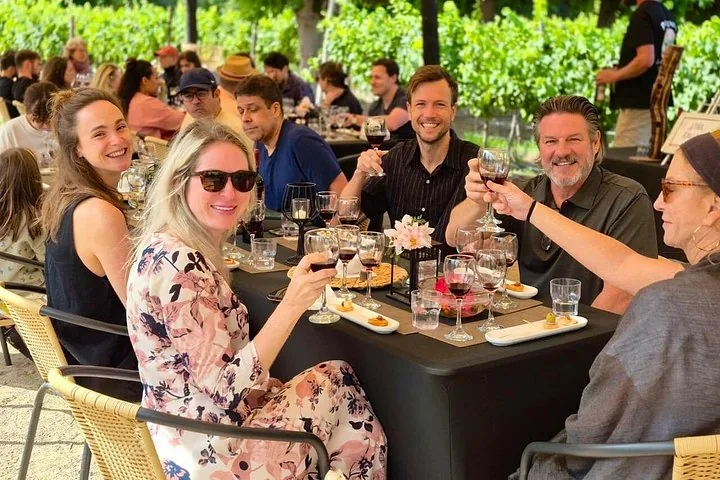
Undurraga winery at a glance
| Feature | Details |
|---|---|
| Official name | Viña Undurraga |
| Location | Fundo Santa Ana, Talagante, Maipo Valley |
| Address | Camino a Melipilla km 34 |
| Distance from Santiago | About 40 km |
| Driving time | Around 45 to 60 minutes in light traffic |
| Founded | 1885 |
| Main tour | Sibaris Tour, CLP 29,500 |
| Premium tour | Founders Tour, CLP 42,000 |
| Tour length | 75 to 90 minutes |
| Sibaris in English | Daily, 10 am and 3 pm |
| Founders departures | Monday to Saturday, noon |
| Wine shop | Daily, 10 am to 5:30 pm |
| Best for | First-timers, wine lovers, couples and history enthusiasts |
| Tours with transport | Sold from Santiago by tour operators |
These are the winery’s published prices and departures, which can change around holidays and events. The booking system lists the Sibaris Tour at 75 minutes, while the winery’s overview page describes the route as about an hour.
Why visit Viña Undurraga?
Undurraga is an easy introduction to traditional Chilean wine country. The historic Santa Ana estate among the Talagante vineyards has made wine since the late 19th century, and the visit concentrates on the vines, the cellars, ageing and the wine itself.
You start in a landscaped park full of mature trees, then follow the wine from the vineyard down to the underground cellars, and finish with a guided tasting.
What sets Undurraga apart
- The historic underground cellars. Walking into the old brick-vaulted cellars gives you a real sense of the estate’s 19th-century beginnings, more than dates in a presentation.
- Mature gardens. The shady grounds, with paths and ornamental planting, are an attraction in their own right and a world away from Santiago’s busy streets.
- A tasting that teaches. The Sibaris tasting of reserve wines is set up to explain aromas, flavours, grapes and winemaking styles.
- Mapuche cultural interpretation. The tour passes Aliwen, an area that introduces parts of Mapuche culture and worldview. It adds a cultural layer to the visit, though it is no substitute for a dedicated museum or an Indigenous-led experience.
Undurraga combines a modest price with real heritage. Choose it if you want one established Chilean winery and a tasting, and still want most of the day free for sightseeing.
Undurraga tours and prices: Sibaris or Founders
The winery’s visitor programme has two guided experiences, the standard Sibaris Tour and the fuller Founders Tour, plus a picnic in the historic park.
Official published prices, October 2026:
| Experience | Price | Length | Wine and food | Best for |
|---|---|---|---|---|
| Sibaris Tour | CLP 29,500 per person | 75 min | Reserve wines | First-time visitors |
| Founders Tour | CLP 42,000 per person | 90 min | 4 premium wines, cheese and nuts | Wine enthusiasts |
| Picnic for two | CLP 34,000 per couple | Up to 2 hours | Sparkling wine, a half-bottle of wine, cheese and nuts | Couples and slow afternoons |
The winery’s booking platform lists a two-person minimum for the Sibaris and Founders tours. Availability, group rules and contents can change, so check when you book.
1. Sibaris Tour, for first-time visitors
- Price: CLP 29,500 per person
- Length: about 75 minutes
- English departures: daily at 10 am and 3 pm
The Sibaris Tour is the standard Undurraga visit, and the one most people should choose. It follows the wine from vineyard to cellar, with stops on the estate’s history and on Chile’s wine regions. You see the landscaped grounds, the Aliwen cultural area, the vineyards, a garden of grape varieties and the century-old cellars, and you finish with a guided tasting of reserve wines and a glass to take home.
How many wines you taste is not settled: the winery’s visitor page says four reserve wines, while its own booking page and the Viator and GetYourGuide listings that include this tour say three. Ask when you book if the number matters to you.
We recommend it because it is enough wine to compare grapes and styles without overload, and short enough to fit into a Santiago sightseeing day, especially in the morning. If you are curious about wine but not ready to pay for premium labels, it is a sensible introduction.
Best for beginners, first-time visitors to Chile, couples and anyone who wants an affordable winery visit. The pace is structured: don’t expect a long private chat with the winemaker or free access to working production areas. Book on the winery’s Sibaris and Founders booking page.
2. Founders Tour, for wine enthusiasts
- Price: CLP 42,000 per person
- Length: about 90 minutes
- Published departure: Monday to Saturday at noon
The Founders Tour takes the standard visit and adds a fuller tasting. Besides the park, Aliwen, the vineyards and the cellars, it includes an aroma room where you learn to recognise the scents found in wine. The tasting is four premium wines with a selection of cheeses and nuts, so it suits visitors who already enjoy wine and want to notice differences in aroma, structure and style.
Is the upgrade worth CLP 12,500?
If you care about wine, probably yes: the premium tasting and the pairing make it more focused, and the aroma room is a good teaching addition. The Sibaris Tour already covers the estate’s historic highlights, though, so you miss neither the cellars nor the gardens by choosing it.
Book Founders if the wine is a central part of your trip, and Sibaris if the winery visit and sightseeing matter more. The winery’s site publishes a noon Founders departure, while its booking platform also lists an English-only version, so confirm the language and date when you reserve.
3. Undurraga picnic, for couples
- Published price: CLP 34,000 for two people
Undurraga also sells a picnic in its historic park, with sparkling wine, a 375 ml bottle of wine, cheeses and nuts. The booking platform lists it at two hours, a slower alternative to a guided tasting, and it is at its best in spring and autumn when the weather is comfortable outside.
The picnic is not a guided winery tour. To see the vineyards and cellars, check whether you need to book the Sibaris or Founders tour as well.
Best for couples, anniversaries and travellers who have toured another winery already but would enjoy an afternoon in Undurraga’s gardens.
What happens on an Undurraga winery tour?
At Undurraga the tasting comes after you have learned about the estate and how wine is made, in a logical order that needs no wine knowledge.
Stop 1: the historic gardens
The visit starts around the Santa Ana estate, with its mature trees and landscaped gardens. The gardens were laid out as a private ornamental landscape around the winery, with trees from different parts of the world and welcome shade in Chile’s warmer months. They are also one of the most photogenic parts of the visit, and you get a feel for the landscape the estate grew up in before you reach the barrels.
Stop 2: Aliwen and Mapuche cultural heritage
The route passes through a cultural interpretation area called Aliwen. The name comes from Mapudungun, the Mapuche language, and is linked to trees. The display introduces Mapuche traditions and beliefs, including their relationship with the natural world.
It is an unusual stop on a winery visit, where the history told usually stays with European grapes and winemaking. Mapuche communities are living Indigenous communities with diverse traditions today, not only part of Chile’s past. Treat this part of the tour as a short introduction, and ask your guide where the display comes from if you are interested.
Stop 3: vineyards and the grape-variety garden
Next, the guide explains how grapes grow and how different varieties respond to climate, soil and vineyard conditions. A garden of grape varieties lets you compare the vines and learn what to look for beyond the label.
Depending on the season, you may see bare vines, new shoots, young bunches or ripe fruit. In the Southern Hemisphere the growing season begins in spring, and most wine grapes are picked at the end of summer and into autumn.
Stop 4: the winemaking facilities
The guide then explains what happens once the grapes reach the winery: crushing, fermentation, temperature control, ageing and bottling. For red wine, fermenting with the skins is the key stage, because it extracts colour, tannin and flavour. White grapes are usually pressed before fermentation, though methods vary by style. How much equipment you see depends on the route and on whether winemaking is under way.
Stop 5: the historic underground cellars
This is one of the highlights. The old brick-vaulted cellars date from the estate’s 19th-century beginnings, and their cool, sheltered conditions show why wineries stored wine underground before modern temperature control. Stable conditions helped wines mature and protected them from heat and light. Today the cellars are also an important part of Undurraga’s heritage.
Stop 6: the tasting
Finally, a host leads the tasting. Sibaris pours reserve wines. Founders pours four premium wines with cheese and nuts, after the aroma activity earlier in the visit. Your guide may talk about the grapes, regions, aromas and differences in taste. The labels poured vary, so ask which wines are included instead of expecting a particular bottle.
The route and inclusions are those described in the winery’s official visitor programme.
History of Viña Undurraga
Undurraga’s roots go back to 1885, when Francisco Undurraga Vicuña planted vineyards at Fundo Santa Ana in the Maipo Valley. He named the land after his wife, Ana Fernández Íñiguez.
Like several of Chile’s important 19th-century wine estates, Undurraga grew in a period when wealthy Chilean families were investing in European grapes and winemaking methods. French influence mattered most: producers planted Bordeaux varieties and others, and adapted them to Chile’s Mediterranean climate.
Why was Undurraga important?
Undurraga was one of the producers behind Chile’s early growth as a wine exporter. The company expanded beyond its original estate, built an international business and helped introduce Chilean wine to buyers overseas.
You can still see that history in the estate’s buildings and cellars, but the wines now come from a wider network of vineyards and regions. Visiting the historic Talagante estate does not mean every Undurraga wine you taste was grown there.
The estate gives you a physical link between Chile’s early wine trade and the wines the country exports today, which is why it rewards a visit more than a tasting room with no vineyard or cellar.
What wines should you taste at Undurraga?
Chile’s geography creates very different growing conditions within short distances, and Undurraga’s portfolio reflects that, with reds and whites from several regions.
Cabernet Sauvignon
Cabernet Sauvignon is the classic Maipo Valley grape. Look for blackcurrant, black cherry, cedar, spice and firm tannins. Depending on the vineyard, the season and the oak, Chilean Cabernet ranges from approachable and fruity to concentrated and built to age. If your tasting includes one, ask how much of its character comes from the grape, the vineyard and the oak; our guide to Chilean Cabernet Sauvignon goes further.
Carménère
Carménère is closely tied to Chile. It came from Bordeaux, found a successful home in Chile and became one of the country’s signature reds. Expect plum, dark berries, black pepper, herbs and sometimes green pepper. Next to Cabernet Sauvignon it can feel softer and rounder, though styles vary a lot.
Merlot
Merlot is another approachable red, often with plum, cherry and softer tannins. It is a good reference point for beginners comparing texture and acidity.
Pinot Noir
Chile’s cooler coastal valleys make Pinot Noir with red cherry, strawberry, floral notes and an earthy side. It is usually lighter in colour and tannin than Cabernet Sauvignon, and a glass of it shows how varied one company’s Chilean wines can be.
Sauvignon Blanc and Chardonnay
The cooler coastal regions suit fresh whites. Sauvignon Blanc often shows citrus, herbs and bright acidity, while Chardonnay runs from fresh and mineral to richer, oaked styles. If your tasting includes a white and a red, compare their acidity, aroma and body.
Undurraga labels to know
| Range | What to know |
|---|---|
| Sibaris | A reserve range that visitors know well |
| TH (Terroir Hunter) | Wines that show specific Chilean vineyard sites |
| Altazor | One of Undurraga’s notable premium reds |
| Sparkling wines | Part of the wider portfolio, for celebrations and aperitifs |
Ranges and vintages change, and not all of them are poured on a visit.
Which wine should you buy?
Buy the bottle you enjoyed most at the tasting. For something more unusual, ask about a TH wine from a specific vineyard or a premium Undurraga label that is hard to find at home.
The estate shop advertises preferential prices and regular offers, including export-surplus stock. That makes a browse worthwhile, but not every bottle will be cheaper than elsewhere.
How much does an Undurraga wine tasting cost?
Separate three costs: the winery visit, getting there and anything you buy.
The winery’s own prices
| Tour | Price per person | What you taste |
|---|---|---|
| Sibaris Tour | CLP 29,500 | Reserve wines |
| Founders Tour | CLP 42,000 | Four premium wines with a cheese and nut pairing |
With the two-person minimum, two Sibaris tickets come to CLP 59,000 and two Founders tickets to CLP 84,000, before transport, purchases and other costs. These are published adult prices, not a live booking quote.
What about tours from Santiago?
Tours with transport cost more because you pay for the vehicle, the operator and the logistics as well as the winery visit. The Undurraga tour with hotel transfer is from $60 per person, and the Undurraga tour with hotel pickup on Viator is from $80; the total depends on your date, group size and operator.
Compare the full cost of getting there and back, not just the tasting ticket. For two people without a rental car, a tour with transport is often simpler than arranging both legs yourselves.
Undurraga tours from Santiago
There are several ways to book a visit. These are the listings we would choose, with ratings as shown in October 2026; check availability for your own date.
Half day with hotel pickup
Best for most visitors without a car. The Undurraga Vineyard Tour and Tasting with Hotel Transfer collects you in central Santiago, Las Condes or Providencia, and the winery’s own guide runs the visit and tasting, about 4 to 4.5 hours in all, from $60 and rated 4.8 from 95 reviews on GetYourGuide. The driver does not speak English; the guiding happens at the vineyard. The Viator alternative, the Undurraga Winery Tour with Tasting and Hotel Pickup, is guided in Spanish and adds the Gente de la Tierra museum, over 4 to 5 hours, from $80 and rated 4.8 from 71 reviews. Choose the first for the lower price, and the second if a Spanish-speaking guide all day suits you.
A Viator small-group half-day tour to Undurraga is also sold, but it is rated 3.9 out of 5 from 76 reviews, so we have not linked it.
The Sibaris ticket, if you have your own transport
Best for independent travellers with a car and a sober driver, or a private transfer already booked. The Undurraga Sibaris ticket covers the 75-minute guided visit and tasting at the winery, from $37 and rated 4.7 from 100+ reviews on Viator.
A private Maipo day that includes Undurraga
Best for couples and small groups who want their own vehicle. The private Concha y Toro, Santa Rita and Undurraga tour collects you from your hotel and visits three of the Maipo’s best-known estates, with lunch at Santa Rita’s Doña Paula, over about 10 hours, from $636 per person and rated 5.0 from 32 reviews. Our private wine tours from Santiago page has more private options.
Undurraga with Concha y Toro
Best for a full day of Chilean wine. The Concha y Toro and Undurraga Tour from Santiago, or Undurraga Only on GetYourGuide has a 9 to 10-hour two-winery option and a 4-hour Undurraga-only option, both with hotel transfers, from $76. It is rated 4.0 from 200+ reviews, the lowest of the tours on this page, so read the recent ones first.
For a group day with several wineries, the Maipo four-winery day ends with Undurraga’s full tour, from $119 and rated 4.9 from 2,920+ reviews on Viator.
Check the winery count before you pay
Some listings name two wineries in the title, but individual options include only one. This matters most with the Undurraga and Concha y Toro combination, where at least one recent reviewer expected both wineries and visited only Undurraga. Before paying, check the chosen option’s itinerary, the number of winery entries, what is poured and the pickup details, and ask the operator if anything is unclear.
How to get to Undurraga winery from Santiago
Undurraga is on Camino a Melipilla at km 34, in Talagante, about 40 km southwest of Santiago. The winery describes itself as 45 minutes from Santiago; your time depends on where you start, the traffic and how you travel.
Option 1: a tour with hotel pickup
Best for most international visitors. A tour handles the transport and usually collects you from a hotel or meeting point in Santiago. Half-day tours usually last four to five hours, including the visit and the drive back. Pickup often covers Santiago Centro, Providencia, Las Condes and Vitacura, but it varies by operator.
You don’t drive, the logistics are simple and you can enjoy the tasting. The trade-offs are fixed times, possible limits on pickup areas and less time to wander.
Option 2: rental car or private driver
Best for travellers with a sober driver or plans to visit other places nearby. Navigate to: Viña Undurraga, Camino a Melipilla km 34, Talagante, Región Metropolitana, Chile (open Undurraga winery in Google Maps).
A rental car gives you flexibility; confirm parking and access when you book. Chile enforces strict drink-driving laws, so if you plan to taste, choose a sober driver or transport that does not need you to drive afterwards. A pre-booked private driver is a good middle way between convenience and independence.
Option 3: public transport to Talagante
The winery’s website says you can take a bus to Talagante from Terminal San Borja at Estación Central in Santiago. Reaching Talagante is not the same as reaching the winery gates, though: you may need local transport from the town to the estate, and the official guidance gives no complete end-to-end route.
If you rely on public transport, check the bus times, the nearest practical stop and the last leg before leaving Santiago. Unless you are comfortable with Chilean regional buses and arranging the final transfer, a shared tour with transport saves time.
Transport compared
| Option | Allow for the round trip and visit | Best reason to choose it |
|---|---|---|
| Shared tour with pickup | 4 to 5 hours | Easiest overall |
| Private transfer and winery booking | 4 to 5 hours or longer | Flexible timing |
| Self-drive | Around 3 to 4 hours including the tasting | Control over your day |
| Regional bus plus local transport | Variable; allow extra time | Possibly cheaper |
These are planning windows, not live journey times.
Can you visit Undurraga and Concha y Toro in one day?
Yes, but it takes more planning than two neighbouring tasting rooms. Both are in the wider Maipo Valley, but Undurraga is toward Talagante, southwest of Santiago, while Concha y Toro’s visitor estate is in Pirque, southeast of the city. The pairing works, but it is not the most efficient in distance, so for both in one day book a full-day tour or a private driver.
A two-winery day
| Time | Activity |
|---|---|
| 8:00 am | Leave Santiago |
| Morning | Guided tasting at Undurraga |
| Late morning | Drive toward Pirque |
| Early afternoon | Lunch |
| Afternoon | Concha y Toro tour and tasting |
| Late afternoon | Back to Santiago |
This is an illustrative plan; adjust it to your booked departures and the traffic.
Is it worth combining them?
Yes, if you want to see two long-established Chilean producers and compare their histories and tastings. For a relaxed day, one premium tour and a good lunch may be more enjoyable than spending the afternoon on the road between wineries. Our Concha y Toro winery tour guide covers its tickets and timings.
Does Undurraga winery have a restaurant?
Not a regular one, as far as the winery’s own information shows. Its published visitor experiences are the Sibaris tasting, the Founders tasting and the park picnic, plus a wine shop; it does not describe a full-service restaurant like Restaurant Doña Paula at Santa Rita.
If you want a proper restaurant lunch, plan a separate meal or choose a tour that clearly includes lunch.
What food you can get
- Sibaris: a reserve wine tasting, no meal.
- Founders: a premium tasting with cheeses and nuts.
- Picnic: an outdoor food-and-wine package for two.
- Restaurant lunch: arrange it separately unless your tour includes one.
If a long vineyard lunch is a big part of your plans, our Santa Rita winery guide covers an estate with a restaurant on site.
Best time of year to visit Undurraga
The winery is open all year, but the vineyards look very different through the seasons.
| Season | Months | What makes it appealing |
|---|---|---|
| Spring | September to November | Green vines, new growth and the gardens at their best |
| Summer | December to February | Warm weather and full vines |
| Harvest | Usually February to April | Picking and more winemaking activity |
| Autumn | March to May | Changing leaf colours and often pleasant temperatures |
| Winter | June to August | Quieter days, bare vines and cool cellars |
The best months
October, November, March and April are the most pleasant for pairing a tasting with a walk outside. Spring shows off the grounds, and autumn brings the harvest and the changing colours of the vines.
Can you see the harvest?
Possibly, but it isn’t guaranteed. Picking dates depend on the grape and the year, and a standard tour does not necessarily include watching the grapes being processed or entering production areas while staff are working. If it matters to you, ask the winery whether harvest activity will be visible on your date.
Is Undurraga good in winter?
Yes. The old cellars, the guided tasting and the history work in any season. The gardens look different, and rain or cold can affect the outdoor parts, but the tour does not depend on the scenery.
Undurraga, Santa Rita, Concha y Toro or Cousiño Macul?
With time for one winery, pick the visit that fits your interests, not only the most famous brand.
| Winery | Main attraction | Best for |
|---|---|---|
| Undurraga | A traditional guided tasting, gardens and historic cellars | First-time winery visitors |
| Santa Rita | Heritage buildings, the Museo Andino and a restaurant | History and culture lovers |
| Concha y Toro | The famous brand and Casillero del Diablo | Visitors after an iconic Chilean winery |
| Cousiño Macul | A location inside metropolitan Santiago and several tour formats | Travellers short on time |
Undurraga or Santa Rita
Santa Rita has more beyond the wine, including the free Museo Andino and Restaurant Doña Paula. Undurraga suits you better for a simple, good-value winery visit. Their standard tours cost about the same (CLP 29,500 at Undurraga and CLP 31,000 for Santa Rita’s Classic Tour), so choose by the kind of day you want. Our Santa Rita winery guide covers its tours, museum and lunch.
Undurraga or Concha y Toro
Concha y Toro is one of Chile’s best-known wine brands abroad, and touring its Pirque estate appeals to many visitors for the Casillero del Diablo connection and the familiar labels. Undurraga may suit you better for a traditional estate tour with old gardens, cellars and a clear, teaching-style tasting.
Undurraga or Cousiño Macul
Cousiño Macul is the convenient choice if you are staying in eastern Santiago, because it fits a tasting into a city day; the Cousiño Macul Traditional Wine Tour in English is from $27 and rated 4.9 from 410+ reviews on Viator. Undurraga feels more like leaving the city for wine country.
Choose Undurraga for a historic, approachable visit focused on wine, Santa Rita for a broader cultural day, Concha y Toro for the famous name and Cousiño Macul for convenience. For a wider shortlist, see our guide to the best wineries near Santiago.
Practical visitor information
Opening hours
Undurraga’s wine shop is listed as open daily from 10 am to 5:30 pm. Tours run at set times, not continuously.
| Tour | Published departures |
|---|---|
| Sibaris, English | Monday to Sunday, 10 am and 3 pm |
| Sibaris, Spanish | Monday to Sunday, 10 am, 11:30 am, 3 pm and 4:30 pm |
| Founders | Monday to Saturday, noon; confirm the language |
Schedules can change on public holidays and with availability.
Should you book ahead?
Yes. The winery uses an online reservation system, and some experiences have a minimum number of people. Booking ahead matters most if you need an English departure.
Can children visit?
The winery says visitors aged 14 and over pay the published tour price; its overview page does not spell out prices or rules for younger children. The legal drinking age in Chile is 18, and under-18s cannot join the alcoholic tasting. Confirm arrangements for under-18s directly with the winery.
Is the tour wheelchair accessible?
Don’t assume so. Several tour operators’ Undurraga listings say their experiences are not wheelchair accessible, and some mention stairs down into the cellar. That does not settle the access of every official route, so if you have mobility needs, contact the winery before paying and ask about steps, cellar access, paths and an accessible tasting.
What should you wear?
Comfortable walking shoes. The route includes outdoor areas and old cellars, so a light jacket helps even in warm weather. Smart-casual clothes are fine; there is no need to dress up.
Can you buy wine at Undurraga?
Yes. The shop sells the winery’s wines, souvenirs and related products, and promotes offers on selected wines and export-surplus stock. The winery says it takes major credit cards, Chilean pesos and US dollars.
Official contact details
| Contact | Details |
|---|---|
| Official website | undurraga.cl |
| Official tour booking | undurraga.tourpay.cl |
| visit@undurraga.cl | |
| Phone | +56 2 2372 2850 |
| Address | Camino a Melipilla km 34, Talagante, Chile |
Frequently asked questions
Is Undurraga winery worth visiting?
Yes, especially if you want to see a historic Chilean vineyard, walk through traditional cellars and have a tasting that explains what you drink. The standard Sibaris Tour is an affordable introduction to Chilean wine.
How much is the Undurraga winery tour?
The Sibaris Tour costs CLP 29,500 per person and the Founders Tour CLP 42,000 per person on the winery’s booking site, with a two-person minimum. These prices do not include transport from Santiago. On Viator, the Undurraga Sibaris ticket is from $37.
How long does the Undurraga winery tour take?
The booking system lists Sibaris at 75 minutes, and Founders lasts about 90 minutes. With transport from Santiago, allow four to five hours for a half-day trip.
How far is Undurraga from Santiago?
About 40 km southwest of Santiago, in Talagante. The winery advertises a 45-minute drive, but traffic can add to it.
Does Undurraga offer tours in English?
Yes. The Sibaris Tour has English departures daily at 10 am and 3 pm. The Founders Tour also has an English booking option; confirm the departure when you reserve.
Can you visit Undurraga without a car?
Yes. Tours from Santiago include transport, such as the Undurraga tour with hotel transfer from $60. The winery’s website also mentions buses from Terminal San Borja toward Talagante, though you may need onward transport from Talagante to the winery.
Which is better, Sibaris or Founders?
Choose Sibaris for the main sights of the estate and a reserve wine tasting at the lower price. Choose Founders if premium wines, the aroma room and a cheese pairing interest you more.
Is there a restaurant at Undurraga winery?
The winery’s published programme has tastings, a picnic and a wine shop, but no regular full-service restaurant, so plan lunch separately unless your tour includes it.
Can you visit Undurraga and Concha y Toro on the same day?
Yes. Both are in the Maipo Valley, though not close to each other. A full-day tour or private transport is the easiest way to do both.
What is the best time to visit Undurraga?
Spring and autumn are best for garden walks and vineyard views. Harvest, usually February to April, interests wine lovers, although a standard tour does not guarantee you will see picking.
Is Undurraga good for beginners?
Yes. The tour explains grape growing, winemaking and tasting with no prior knowledge needed, and the Sibaris Tour suits beginners best.
Can you buy Undurraga wine at the winery?
Yes. The shop on the estate sells wines from across the portfolio and advertises preferential prices on selected bottles.
Should you book an Undurraga winery tour?
Undurraga is one of the most appealing traditional winery visits near Santiago, especially if you want to discover Chilean wine without committing to a full premium day. For a first visit it has what you need: old gardens, historic cellars, a clear explanation of how wine is made and several wines to compare at the end.
Our pick is the Sibaris Tour. At CLP 29,500 it covers the main sights and is a good introduction to Chilean wine; book Founders if you enjoy tasting and want premium labels with a pairing. Without a car in Santiago, take a tour with transport such as the Undurraga tour with hotel transfer, and if you have already visited one of Chile’s big commercial wineries, Undurraga still rewards a visit for its 19th-century heritage and a different producer’s approach.
Check the winery’s visitor information for tours, schedules and the wine shop, and the Santiago region tourism page on Viña Undurraga for background, then confirm your date on the booking page, because departures and prices can change.
Spend a Day in Chile's Wine Country
Free cancellation up to 24 hours before. Undurraga Winery Sibaris Tour Ticket from $37 per person.
Check Availability & Book