Wine tasting in Santiago, Chile: a beginner's guide to your first winery tour
New to wine tasting? What happens on a winery tour near Santiago, the best wineries for a first visit, tasting prices, how to taste, what to wear, etiquette and how to book.
For your first wine tasting in Chile, book a guided visit to one established Maipo Valley winery, allow half a day with transport, and choose a tasting of three or four wines before you pay for a premium one. The easiest version with transport is the Concha y Toro Premium Wine Center Tour from Santiago: a shared bus to Pirque, a guided walk through the park, cellars and vines, then four premium wines, about 5 hours in all from $105 per person and rated 4.8/5 from 960+ reviews on Viator. If you would rather stay in the city, Cousiño Macul’s one-hour Traditional Tour in Peñalolén costs CLP 25,000 at the winery.
You do not need to know your Cabernet from your Carmenère. Most winery tours near Santiago are relaxed: you walk through the vines or the old gardens, see how grapes become wine, step into the cellars and finish with a guided tasting, and the guide explains what you are drinking and why it tastes that way. Most visitors leave knowing the difference between Carmenère and Cabernet Sauvignon, which is the most useful thing you can take home from Chilean wine country.
After that, pick the kind of visit: a short tasting in the city, a famous estate in the Maipo Valley, a heritage day at Santa Rita or the white wines of Casablanca. Winery prices below are as published on each estate’s own site in November 2026; tour prices are “from” figures per person in US dollars, and the live price is always on the booking page. To compare the bookable tours themselves, see our guide to which wine tour from Santiago is right for you.
Check Availability
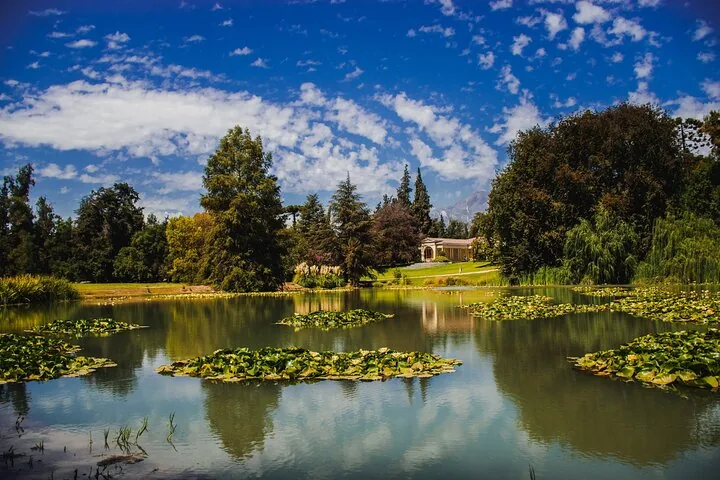
Concha y Toro Premium Wine Center Tour from Santiago
- 4.8/5 (960+ reviews)
- 5 hours
- Free cancellation
- Operated by Turistik
Includes Shared round-trip bus from your chosen meeting point (Plaza de Armas, Av. Vitacura in Las Condes or Parque Arauco) · …
You'll choose your date and complete the booking on Viator. Free cancellation up to 24 hours before departure.
Wine tasting in Santiago at a glance
| Question | Quick answer |
|---|---|
| Can beginners join wine tastings? | Yes. Many winery tours are designed for first-time visitors |
| Best wine region near Santiago? | The Maipo Valley |
| Best winery for a short first visit? | Cousiño Macul, inside the city |
| Best famous winery? | Concha y Toro |
| Best for wine and history? | Santa Rita |
| How long does a winery tour take? | Usually 1 to 2 hours at the winery, plus transport |
| How many wines will you taste? | Often 3 or 4, depending on the tour |
| What does a basic tasting cost? | CLP 25,000 to 31,000 at Cousiño Macul, Undurraga and Santa Rita; CLP 50,000 at Concha y Toro |
| Do you need a reservation? | Yes, book ahead; tours run at set times |
| Do you need to understand wine? | Not at all |
| Legal drinking age? | 18 |
| Best way without a car? | A tour with transfers, or a driver |
The figures come from the published visits at Cousiño Macul, Undurraga, Santa Rita and Concha y Toro; what each tasting pours varies by package.
Other Experiences
Other experiences you might enjoy
More wine tours from Santiago, each with its own page and booking link.
What happens during a wine tasting?
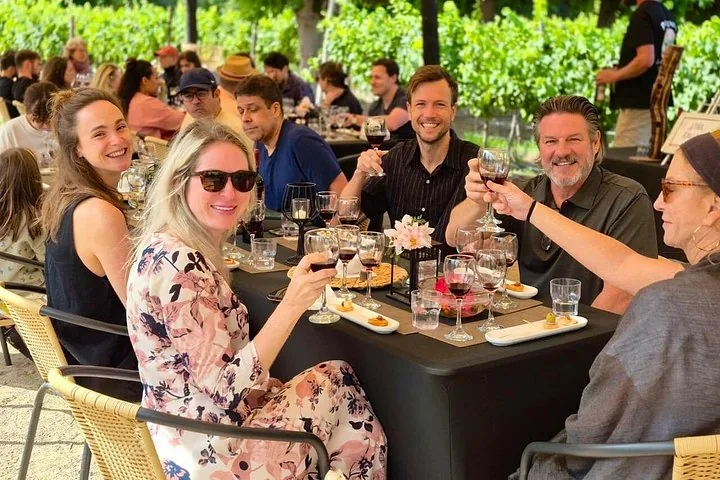
A winery tasting usually has two parts: an introduction to the vineyard and how the wine is made, then a tasting of selected wines. Some visits are short and almost all tasting; others add food, cycling, vineyard walks or historic buildings. This is what a typical first winery tour looks like.
Step 1: Arrive and meet your guide
Most guided visits start at the winery’s reception or visitor centre. You check in, meet the guide and hear a short introduction to the estate. The guide may ask whether you have visited wineries before; say so if you are a beginner, because it helps them pitch the explanations. If language matters, book a tour sold as English-language: not every departure has an English-speaking guide.
Step 2: Explore the vineyard
Depending on the estate and the package, you may walk among the vines and learn about the grapes. The guide might explain why some vineyards give concentrated reds while cooler regions suit whites. Here Santiago’s setting comes into it: the Maipo Valley lies between the Andes and the coastal hills, and its sunshine, wide day-to-night temperature swings and varied soils shape its wines.
Step 3: Visit the winery or cellar
Next comes the winemaking. You might see stainless-steel fermentation tanks, oak barrels, a bottling line or historic underground cellars. The guide covers the basics:
- Harvest: grapes are picked when they reach the ripeness and flavour the winemaker wants.
- Fermentation: yeast turns the grape sugars into alcohol.
- Maceration: for many reds, contact with the skins gives colour, tannins and flavour.
- Ageing: some wines mature in tanks, barrels or other vessels before bottling.
- Blending: winemakers may combine grapes or vineyard parcels to make the final wine.
You do not need to memorise any of it. Knowing the outline makes the wines more interesting when you taste them.
Step 4: Taste the wines
You normally get several small pours, one at a time or as a flight. Three or four wines are common on an introductory visit. The guide often starts with a lighter wine and moves towards fuller reds, though the order depends on the tasting. You look at the wine, smell it and take a small sip, then ask questions, compare flavours or simply enjoy the ones you like.
Step 5: Visit the wine shop
Many tours end in the shop, and you do not have to buy anything. If you want a bottle to take home, ask whether it is sold abroad: an estate-only label or a small-production wine makes a better souvenir than something from your local supermarket.
Best wineries near Santiago for your first wine tasting
These five give you different introductions to Chilean wine, from a short visit inside the city to traditional Maipo Valley estates.
- Cousiño Macul, for a straightforward first tasting: historic cellars inside Santiago and a one-hour Traditional Tour with three wines, CLP 25,000 per person.
- Viña Concha y Toro, for a famous Chilean winery: a historic estate, Maipo vineyards and the Casillero del Diablo story, with the Premium Guided Tour at CLP 50,000.
- Viña Santa Rita, for wine, gardens and heritage: historic buildings, landscaped grounds and the Classic Tour at CLP 31,000.
- Viña Undurraga, for a traditional estate: gardens, guided cellar visits and the Sibaris Tour at CLP 29,500.
- Casas del Bosque, for Chilean white wines: the alternative to the Maipo if you prefer Sauvignon Blanc, Chardonnay or Pinot Noir, best on a full-day Casablanca Valley tour.
For a longer list, with smaller estates and the Cajón del Maipo, see our best wineries near Santiago.
Cousiño Macul: the best for a short, beginner-friendly tasting
Cousiño Macul is the easiest major estate to visit from Santiago, because it sits inside the city, in Peñalolén, roughly 30 to 60 minutes by car from the centre depending on traffic. It suits you if you are short of time or do not want to spend a whole day on wine.
The Traditional Tour covers the winery’s history and production, includes three wines and lasts about an hour. The estate also runs premium tastings, bike tours and vertical tastings if you want to go further.
Current published tasting options
| Experience | Length | Price |
|---|---|---|
| Traditional Tour | 1 hour | CLP 25,000 |
| Premium Tour | 1.5 hours | CLP 40,000 |
| Vineyard Bike Tour | 1.5 hours | CLP 37,500 |
| Vertical Tasting | 1.5 hours | CLP 55,000 |
These are the prices in the winery’s English-language tour catalogue; the price on your booking is the one that counts.
Our recommendation: book the Traditional Tour for a first tasting, and upgrade only if you already know you want to compare premium wines. In English, the Cousiño Macul Traditional Wine Tour in English is $27 on Viator (4.9/5 from 410+ reviews), and the Cousiño Macul Premium Wine Tour in English is $45 (4.9/5 from 210+ reviews), with three more wines at a seated tasting. You make your own way there; a taxi from the centre is the simplest option.
Official website: Cousiño Macul tours. Our Cousiño Macul winery guide covers getting there and each tour in detail.
Concha y Toro: the best for a famous winery experience
Concha y Toro is one of Chile’s best-known wine producers, with a large visitor centre in Pirque, south of Santiago. It is the obvious first choice if you have seen Casillero del Diablo in a supermarket and want to see where the story began. Tours take in the historic park, the vineyards and the cellars, with the tasting depending on the package.
The winery runs guided visits in English, Spanish and Portuguese. Its entry visit is the Premium Guided Tour: CLP 50,000 on the winery’s own site, 120 minutes, with the park, the museum, the Casillero del Diablo cellar and four wines. Longer tastings, meals and the night tour cost more.
Why beginners enjoy it
The visit is built for travellers, not only for wine enthusiasts. You do not need to know anything about grapes to enjoy the gardens, the story and the tasting. It is also a good introduction to Cabernet Sauvignon, the grape most associated with the Maipo Valley.
Our recommendation: choose Concha y Toro if you want a recognisable winery, plenty of history and a simple guided format. Without a car, the $105 Premium Wine Center half day adds the bus from Santiago.
Official website: Concha y Toro wine tourism. Our Concha y Toro winery tour guide compares every ticket and transfer.
Santa Rita: the best for combining wine and Chilean history
Santa Rita is the heritage visit. The estate in Alto Jahuel, in the foothills south of Santiago, combines traditional winemaking with landscaped gardens, historic buildings and good food. The Classic Tour lasts about an hour, with an introduction to winemaking and a tasting. The premium visits add more wines and food pairings, and separate experiences include carriage rides and blending your own wine.
Current published prices
| Experience | Price | Length |
|---|---|---|
| Classic Tour | CLP 31,000 | 60 minutes |
| Selection Tour | CLP 39,000 | 70 minutes |
| Premium Tour | CLP 55,000 | 90 minutes |
| Winemaker Experience | CLP 55,000 | 90 minutes |
Santa Rita also has restaurants and the Museo Andino, which makes it a good choice for a longer outing.
Our recommendation: choose Santa Rita if you want the tasting to be one part of a wider heritage day. With transport and lunch, the Santa Rita Winery Day Tour with Lunch and Andean Museum ($207, 4.8/5 from 420+ reviews) includes three wines, a three-course lunch on the estate and the museum.
Official website: Santa Rita winery visits. Our Santa Rita winery tour guide has the full list of visits.
Undurraga: the best for discovering traditional Chilean winemaking
Undurraga, in the Talagante area southwest of Santiago, is another established estate for a first visit, known for its historic park, gardens and guided visits that explain how the wine is made. Its Sibaris Tour costs CLP 29,500 on the winery’s own booking site and takes 75 minutes, ending with three reserve wines.
Two tours from Santiago include it. The Concha y Toro and Undurraga Tour from Santiago, or Undurraga Only ($76, 4.0/5 from 200+ reviews) offers either a 4-hour Undurraga-only visit or a 9- to 10-hour day with both wineries and hotel transfers; its rating is lower than most tours on this site, so read the recent reviews. With a stronger record, the Undurraga Vineyard Tour and Tasting with Hotel Transfer ($60, 4.8/5 from 95 reviews) gives you about 1.5 hours with the winery’s guide and pickup in central Santiago, Las Condes or Providencia.
Our recommendation: Undurraga suits travellers who want a traditional winery atmosphere or a two-estate day. Our Undurraga winery tour guide covers the tickets.
Casablanca Valley: the best for white wine lovers
Not every first-time visitor wants an afternoon of full-bodied reds. If Sauvignon Blanc, Chardonnay or Pinot Noir sound better, head west to the Casablanca Valley, about an hour from Santiago on Ruta 68 and on the way to Valparaíso. Chile’s tourism board describes it as a cool-climate region known for white wines and Pinot Noir.
Casablanca takes more of your day than a city tasting at Cousiño Macul, but it can be the more satisfying trip if you want scenery, vineyard restaurants and lighter wines. Our pick for a first visit that includes Casas del Bosque: the Private Casablanca Tour: Emiliana, William Cole & Casa del Bosque ($150, 4.9/5 from 110+ reviews).
Our recommendation: choose Casablanca for a full day in wine country; choose the Maipo for an easier first winery visit from Santiago. Our best wineries in Casablanca Valley ranks the estates.
How to taste wine like a beginner
Tasting needs no special talent. You are paying attention to what you drink, in five steps:
- Look at the wine. Hold the glass against a light background. A red may be bright ruby, deep purple or closer to garnet; a white may be pale yellow, gold or greenish.
- Swirl gently. Move the glass in a small circle to release the aromas. Resting it on the table while you make small circles works perfectly well.
- Smell the wine. Take a gentle sniff and think about what it reminds you of: berries, citrus, flowers, spice, herbs, something earthy. You do not need to name the exact aroma.
- Take a small sip. Let the wine spread across your tongue. Is it fruity, fresh, dry, soft, rich or slightly bitter? Does it feel light or full-bodied?
- Compare and ask questions. Try the next wine and notice what changes. Which do you prefer, and why does one feel softer or more intense? There is no wrong preference, and saying you do not like a wine is fine.
Four wine terms worth knowing
Understand these four and you can follow most beginner tastings.
| Term | What it means | What you notice |
|---|---|---|
| Acidity | The fresh, mouth-watering quality of a wine | A crisp feel, like biting a green apple |
| Tannins | Compounds from grape skins, seeds and sometimes oak | A drying, grippy feeling on the gums |
| Body | The weight and richness of the wine in your mouth | Light and delicate, or rich and full |
| Finish | The flavours left after you swallow or spit | Whether the flavour fades fast or lingers |
What’s the difference between dry and sweet wine?
A dry wine has very little sugar left in it, and it can still taste fruity. A Chilean Cabernet Sauvignon may remind you of ripe blackberries and be completely dry: the fruit comes from its flavour and aroma, not from sugar. Many beginners mix the two up.
What does oaky mean?
Ageing in oak can add vanilla, toast, spice or cedar, depending on the barrels and how they are used. Not every wine tastes of oak. Taste a Chardonnay made in oak beside one made in stainless steel and you will notice the difference.
Do you have to spit out the wine?
No, but you can, and it is often sensible. Professional tasters spit to limit how much alcohol they drink, and you can do the same, especially on a day with several wineries; ask the guide for a spittoon. Leaving wine in your glass is fine too.
Which Chilean wines should you try first?
Chile grows many grapes, but four make a useful first introduction.
Carmenère: Chile’s signature red
- Style: medium- to full-bodied red
- Typical flavours: dark berries, plum, black pepper, herbs
- Best region to explore: Colchagua and parts of the Maipo
- Best for: visitors who want to taste something strongly linked with Chile
Carmenère is one of Chile’s most recognisable wines. It came from Bordeaux and found an unusually successful home in Chile. Expect ripe dark fruit, spice and herbal notes, sometimes a green-pepper character depending on the climate and ripeness. Compare it with a Cabernet Sauvignon: both are usually dry reds, but the aromas and tannins differ.
What to ask your guide: how does this vineyard’s Carmenère compare with one from Colchagua? Our guide to the best Chilean red wines covers both grapes.
Cabernet Sauvignon: the classic Maipo red
- Style: usually full-bodied red
- Typical flavours: blackcurrant, blackberry, cedar, herbs
- Best region to explore: the Maipo Valley
- Best for: visitors who enjoy structured reds
Cabernet Sauvignon is one of the Maipo Valley’s defining grapes. The wines can be powerful and concentrated, while premium examples can also be elegant, fresh and savoury. A young Cabernet often feels more tannic than a Carmenère, which makes the pair a good comparison. At Concha y Toro or Santa Rita, ask about their Cabernet range, and for more, read our Chilean Cabernet Sauvignon guide.
Sauvignon Blanc: fresh and easy to enjoy
- Style: crisp, dry white
- Typical flavours: citrus, green apple, herbs, passion fruit
- Best region to explore: the Casablanca Valley and other cool-climate regions
- Best for: visitors who like refreshing whites
Sauvignon Blanc is a good place to start if you are not sure you like wine: it is usually refreshing, with lively acidity and strong aromas. Casablanca is one of Chile’s best-known places for it.
Chardonnay: a lesson in wine styles
- Style: dry white, from light and fresh to rich and creamy
- Typical flavours: citrus, apple, stone fruit, sometimes butter or vanilla
- Best region to explore: Casablanca and other cooler regions
- Best for: seeing how winemaking changes the taste
Chardonnay teaches well because the winemaking changes it so much. Some are crisp and citrusy; others are fuller, creamy and marked by oak.
Which Chilean wine is best for beginners?
There is no single best grape. If you already like red, start with Carmenère and Cabernet Sauvignon; if you prefer white, start with Sauvignon Blanc and Chardonnay. Tasting two wines side by side, and working out what makes them different, teaches you the most. For the full picture of grapes and regions, see our Chilean wine guide.
How much does wine tasting cost in Santiago?
Prices depend on the winery, the number of wines, transport and how exclusive the visit is. These are the published entry prices at the main wineries.
| Winery | Entry tour price | Length |
|---|---|---|
| Cousiño Macul Traditional | CLP 25,000 | 1 hour |
| Undurraga Sibaris | CLP 29,500 | 75 minutes |
| Santa Rita Classic | CLP 31,000 | 1 hour |
| Cousiño Macul Premium | CLP 40,000 | 1.5 hours |
| Concha y Toro Premium Guided Tour | CLP 50,000 | 2 hours |
| Santa Rita Premium | CLP 55,000 | 1.5 hours |
These are winery tickets, not the full cost of the day.
What else will you pay for?
- Transport from Santiago
- Extra premium tastings
- Lunch or cheese pairings not in the ticket
- Wine you buy
- A private guide
Some tours bundle almost everything; others sell transport and the winery ticket separately. Compare the total cost of two options, not the cheaper headline price. A winery ticket is good value if you already have transport; a guided tour makes more sense once you need a driver and want more than one estate. Tours with transport start at $60 for Undurraga and $105 for Concha y Toro. Our guide to wine tour prices and transport covers the other ways to get there.
Should you book a half-day or full-day wine tour?
Both can work for a first visit.
| Half-day tour | Full-day tour | |
|---|---|---|
| Typical length | 4 to 5 hours with transfers | 7 to 10 hours, sometimes longer |
| Winery visits | Usually 1 | Often 2 or more |
| Best for | Beginners, short stays, relaxed sightseeing | Wine enthusiasts and travellers who want variety |
| Food | Usually optional | Often a lunch stop |
| Travel effort | Lower | Higher |
| Our view | The best first experience | The best for comparing wines and estates |
When a half-day tour makes sense
Choose a half day if:
- You are in Santiago for only two or three days.
- You have never been to a formal wine tasting.
- You want a relaxed introduction without a long itinerary.
- You would rather spend the rest of the day in the city.
A visit to Concha y Toro, Cousiño Macul or Undurraga fits this well. Our half-day wine tours page compares the options.
When a full-day tour is worth it
A full day lets you compare wineries, taste more grapes and have lunch in wine country, with a more scenic route through the Maipo or Casablanca. More stops do not automatically make a better tour: two estates and a proper lunch usually beat four rushed tastings. For where to eat, see the best winery restaurants near Santiago.
Best bookable wine-tasting experiences from Santiago
These tours suit a first tasting. Check availability, inclusions and the current price for your dates before you book.
Concha y Toro half day, for a famous winery with transport
The Concha y Toro Premium Wine Center half day ($105, 4.8/5 from 960+ reviews) takes a shared bus from a Santiago meeting point to Pirque for the guided walk and four premium wines, about 5 hours in all. If you want a longer tasting at the same estate, the Marqués de Casa Concha Tasting at Concha y Toro from Santiago ($135, 4.9/5 from 1,270+ reviews) ends with ten wines and cheese in a private tasting room.
Concha y Toro and Undurraga, for two estates in one day
The $76 Concha y Toro and Undurraga day (4.0/5 from 200+ reviews) has two options, an Undurraga-only visit of about 4 hours or both wineries over 9 to 10 hours with a lunch break, with hotel transfers on either. Check which option you select, and read the recent reviews.
Four Maipo wineries, for learning more about Chilean wine
The Maipo Valley Wine Tour: 4 Wineries, Pisco Tasting and Optional Lunch ($119, 4.9/5 from 2,920+ reviews) is the site’s most-reviewed wine day: about 10 hours, four wineries from a small family farm to long-established estates, with pisco, olive oil and cheese and pickup from your hotel or Airbnb. Lunch is included only on the Traditional + Lunch Included option.
Lastarria food and wine, if you don’t want to leave Santiago
The Lastarria Food and Wine Tour with Three-Course Lunch ($109, 5.0/5 from 28 reviews, a short record) spends about three hours in Barrio Lastarria, with a “North to South” flight of Chilean wines and pairings at a wine bar, a neighbourhood walk and a three-course lunch that starts with a pisco sour.
For a first tasting, we would choose a one-winery guided visit over an ambitious multi-winery day. You can move on to serious tastings once you know which Chilean wines you enjoy.
Can you go wine tasting in Santiago without leaving the city?
Yes. Most vineyard tours take you to the Maipo or Casablanca, but the city has wine bars, restaurants and hosted tastings with bottles from all over Chile. That suits you if you are staying a night or two, want no long transfer or would like to combine wine with a food walk.
The best neighbourhoods for urban wine tasting
Barrio Lastarria: the best for wine and culture
Lastarria is one of Santiago’s most appealing neighbourhoods for an evening out, with restaurants, museums and a lively food scene. A hosted tasting here can introduce grapes from several Chilean regions without a single vineyard visit; the Lastarria food and wine tour is one, with a wine flight, a neighbourhood walk and lunch. It is a good choice if you want wine and the city in one outing.
Barrio Italia: the best for a relaxed tasting
Barrio Italia is known for its creative atmosphere, independent shops, cafés and restaurants, and its wine bars are an easy place to order a flight of Chilean wines with small plates. We found no bookable tasting tour there with a solid review record, so treat it as a do-it-yourself evening.
Is an urban tasting as good as visiting a vineyard?
It depends on what you want. A wine bar is better for comparing wines from several regions, because you are not limited to one producer. A winery gives you more context: where the grapes grow and how they become wine.
Our recommendation: with two hours, choose a guided tasting in the city; with half a day or more, a vineyard visit stays with you longer.
What should you wear to a winery tour?
Chilean wineries do not ask for formal clothes on standard tours; comfortable smart-casual is fine. For a typical vineyard visit, bring:
- Comfortable walking shoes, ideally closed-toe with good grip.
- Light layers, because cellars are cooler than outside.
- Sunglasses, a hat and sunscreen for the outdoor parts.
- A bottle of water.
- Your booking confirmation and ID.
- A phone or camera for the vineyard.
Skip strong perfume or scented products before a tasting: they get in the way of the wine’s aromas, for you and for everyone else in the room.
Can you wear sandals?
For a short tasting-room visit, sandals may be fine. Closed-toe shoes are more practical on gravel vineyard paths and in working cellars, and some activities, such as vineyard cycling, have their own footwear rules.
Can you visit in winter?
Yes. Most established wineries run tours all year, though some outdoor experiences close or change in winter. From June to August the central wine regions are cooler and wetter, so bring layers and sturdy shoes.
Wine tasting etiquette: what beginners should know
A few habits make the visit smoother.
You can ask basic questions
Guides are used to visitors who are new to wine. Questions like these are welcome:
- What is the difference between Carmenère and Cabernet Sauvignon?
- Why does this wine taste dry?
- How does oak change the flavour?
- Which wine goes with Chilean food?
- What makes the Maipo Valley different from Casablanca?
You do not need any specialist vocabulary.
You don’t have to finish every glass
Tasting pours are for comparing, not for drinking in full. Take a sip or two, leave the rest or use the spittoon.
You don’t have to buy wine
Most tours end in a shop, but buying is optional. If you liked a wine, ask for its name and vintage so you can find it later.
It’s fine not to like a wine
Taste is personal, and a well-made wine can still not suit you. Say what you do not enjoy, perhaps too tannic, too acidic, too oaky or too heavy, and the guide may suggest another style.
Eat and drink water
Eat a proper meal before a tasting, especially on a day with several wineries, and drink water throughout. If you have several tastings booked, leave plenty of time between them and spit rather than swallow. Never drive after drinking: Chile’s tourism board recommends a tour or a designated driver for winery visits.
Should you choose a wine tasting with food?
Food makes a first tasting easier to understand. Tasting wine with cheese, bread or a meal shows you how acidity, tannins and flavour work with food, and a beginner’s wine-and-cheese tasting demonstrates it directly.
Classic Chilean wine and food pairings
| Wine | Food to try | Why it works |
|---|---|---|
| Carmenère | Grilled beef, roast vegetables | Fruit, spice and moderate tannins suit savoury flavours |
| Cabernet Sauvignon | Steak or lamb | Tannins work with rich protein |
| Sauvignon Blanc | Ceviche, seafood | High acidity matches citrus and fresh seafood |
| Chardonnay | Roast chicken, creamy seafood | Richer styles balance richer textures |
| Pinot Noir | Mushrooms, poultry | Light body and soft tannins suit delicate savoury food |
These are guidelines, not rules: your own taste and the style of the wine matter more than any formula.
Is a wine tasting with lunch worth it?
On a full-day trip, usually yes: a planned lunch slows the day down between wineries. For a short introductory tasting, you do not need a big meal package; small pairings are enough. Our wine tours from Santiago with lunch compares the tours with the meal in the price.
When is the best time of year for wine tasting in Santiago?
You can taste wine near Santiago all year, but the visit changes with the season.
| Season | Months | What to expect |
|---|---|---|
| Spring | September to November | Green vineyards, mild to warm weather, good scenery |
| Summer | December to February | Long sunny days, hot afternoons, busy tourist season |
| Harvest | Usually March to April, sometimes into May | Picking, harvest festivals and seasonal activities |
| Autumn | April to May | Turning leaves, cooler weather and quieter wineries |
| Winter | June to August | Cooler, wetter days, fewer visitors, indoor cellar visits |
Harvest dates vary by grape, valley and year; Chile Travel lists March to May as the main harvest period, with wine festivals around the country.
Best time for beginners
October to November and March to April are the easiest months. Spring gives you fresh green vineyards and comfortable touring weather; harvest adds the chance to see picking and winemaking. Summer works too, but book a morning visit if you dislike strong afternoon heat.
How to organise your first wine-tasting day from Santiago
Three plans, depending on how much time you have.
Option A: a relaxed half day at Cousiño Macul
Best for: short stays, beginners and independent travellers.
| Approximate time | Activity |
|---|---|
| 9:30 am | Leave your Santiago hotel |
| 10:30 am | Arrive and check in at Cousiño Macul |
| 11:00 am | Traditional Tour and tasting |
| 12:00 pm | Browse the shop and grounds |
| 12:30 pm | Head back towards central Santiago |
| 1:30 pm | Lunch in the city |
This is a sample plan: pick a real tour time and arrange the transfer to match. You see a historic winery without giving the whole day to wine.
Option B: Concha y Toro with lunch
Best for: first-time visitors who want a famous Chilean winery.
| Approximate time | Activity |
|---|---|
| 9:00 am | Leave Santiago |
| 10:00 am | Arrive in Pirque |
| 10:30 am | Guided winery visit |
| 12:30 pm | Lunch at a booked restaurant |
| 2:00 pm | Head back to Santiago |
This works best with a private driver or a half-day tour that leaves time for lunch. The 120-minute Premium Guided Tour fills the morning, so book lunch for after it.
Option C: two Maipo wineries in one day
Best for: travellers who want to compare wine styles and estates.
Pick two wineries with different characters, such as Santa Rita and Cousiño Macul. Visit one in the morning, stop for lunch and see the second in the afternoon. With transport between them, plan on a full day: once you add the drive from Santiago, the transfer and lunch, it easily runs past eight hours, well beyond the two tasting times.
How to choose the right wine-tasting tour
A good tour matches your interests, schedule and experience; the number of tastings matters less. Before you book, check that:
- The tour names the winery or wineries it visits.
- The wine tastings are in the advertised price.
- The number of wines is stated.
- The tour runs in your language.
- The pickup or meeting point is clear.
- Lunch and any extra costs are explained.
- The total length fits your plans.
- The cancellation terms and accessibility suit you.
One distinction matters most: a tour that drives past a winery does not necessarily include a guided visit there, so read the description carefully. The same goes for lunch: a restaurant stop can be in the itinerary while the meal itself is at your own cost.
Frequently asked questions about wine tasting in Santiago
Can you go wine tasting in Santiago, Chile?
Yes. Santiago has wine tastings in the city and easy access to nearby wineries. Cousiño Macul is inside the city, in Peñalolén, while Concha y Toro, Santa Rita and Undurraga make half-day or full-day trips.
What is the best winery near Santiago for beginners?
Cousiño Macul is the most convenient, with a one-hour Traditional Tour and three wines for CLP 25,000. Concha y Toro is the choice for a famous estate with a well-known brand and a polished visitor programme.
Do you need wine knowledge to attend a tasting?
No. Standard winery tours explain the basics of winemaking and guide you through the tasting. Beginners are welcome, and you can ask questions throughout.
How many wines do you taste on a winery tour?
Introductory tours often pour three or four wines, depending on the visit. Premium tastings add more wines or rarer bottles.
How much does a wine tasting cost in Santiago?
Entry tours at the main wineries cost CLP 25,000 to 31,000 at Cousiño Macul, Undurraga and Santa Rita, and CLP 50,000 at Concha y Toro, per person. Tours with transport from Santiago start at about $60. Check what is included and the current price before you book.
Can you visit a winery without booking a tour?
Some winery shops and restaurants take walk-in visitors, but that does not get you a tasting or into the cellars. Book ahead if the winery visit matters to you.
Can you do wine tasting without a car?
Yes. Choose a hosted tasting in the city or a winery tour with transport. Some estates can be reached by public transport and a taxi, and our guide on how to reach wineries without a car gives the routes, but a guided transfer is easier.
Is wine tasting suitable for couples?
Yes. A vineyard tasting makes a relaxed day for two, especially with a restaurant lunch, a garden walk or a sunset visit.
Is wine tasting suitable for solo travellers?
Yes. A small-group tour is especially practical alone: transport is arranged and you taste alongside other travellers.
Do wine tours in Santiago operate in English?
Many major wineries run English-language tours, but the times vary. Confirm the language of the exact session you book.
What is the legal drinking age in Chile?
- Some estates let younger visitors join adults on selected tours without tasting, but the rules differ by winery and experience.
Can you go wine tasting if you don’t drink alcohol?
Some wineries welcome non-drinkers who want to see the estate, gardens or heritage sites. Not every ticket has a non-alcoholic option or a lower price, so ask before you book.
What is the difference between a winery tour and wine tasting?
A winery tour usually visits the vineyard or the production areas, often followed by a tasting. A wine tasting is about sampling and comparing wines, and can take place at a winery, a wine bar, a restaurant or a tasting room.
Is Maipo or Casablanca better for wine tasting?
The Maipo is best for Cabernet Sauvignon, historic wineries and short trips from Santiago. Casablanca is the choice for Sauvignon Blanc, Chardonnay, Pinot Noir and cool-climate wines. See Maipo vs Casablanca vs Colchagua for all three valleys side by side.
Are winery tours worth it if you don’t know anything about wine?
Yes. A good beginner tour combines scenery, history, winemaking and plain explanations. You do not have to love wine to enjoy seeing how it is made.
Your first Santiago wine tasting: keep it simple
For most first-time visitors, the best start is a guided Maipo Valley tasting of an hour or two, with time to look around the estate and ask questions. Choose Cousiño Macul for a convenient, simple introduction, Concha y Toro for a famous winery and its story, or Santa Rita for wine with history and beautiful grounds. If you already know you enjoy wine, book a two-winery day to compare producers, and if you prefer white wine, go to the Casablanca Valley.
You do not need to name every aroma or learn the jargon. The aim is to find out which wines you like, and perhaps leave with a new favourite. Book your tour and tasting time before you travel, because the winery visits run at set times and fill up in summer. For the bookable tours by valley, see our Maipo Valley wine tours and Casablanca Valley wine tours.
Spend a Day in Chile's Wine Country
Free cancellation up to 24 hours before. Concha y Toro Premium Wine Center Tour from Santiago from $105 per person.
Check Availability & Book